







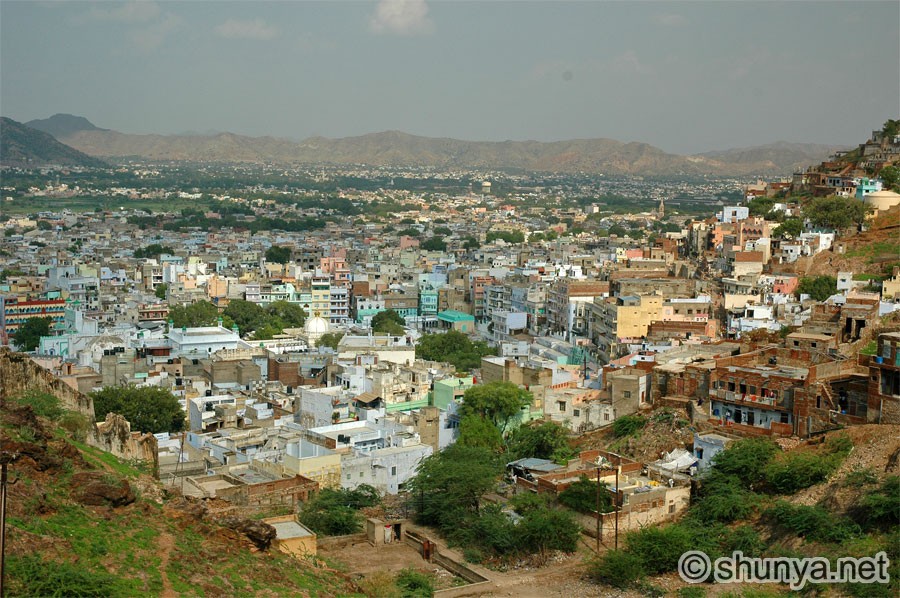
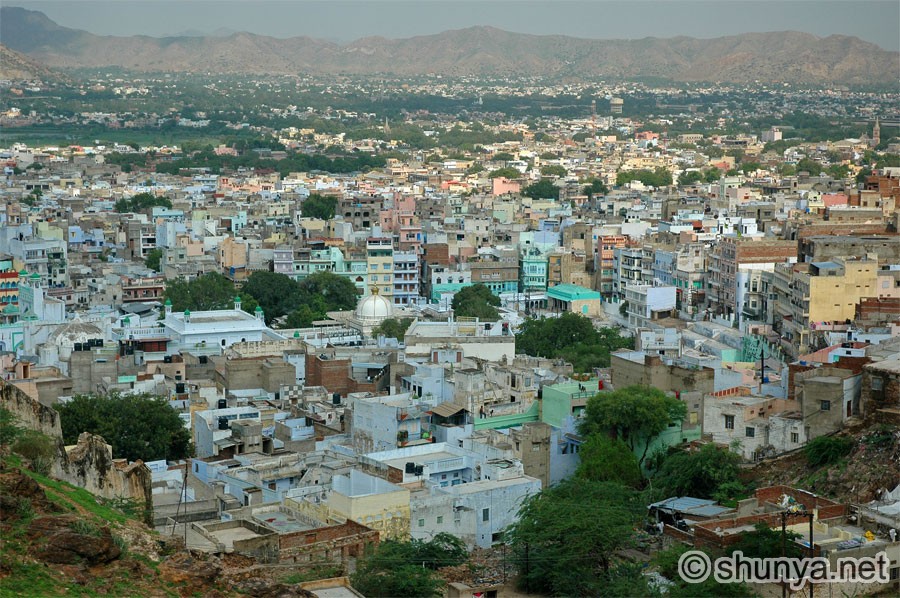
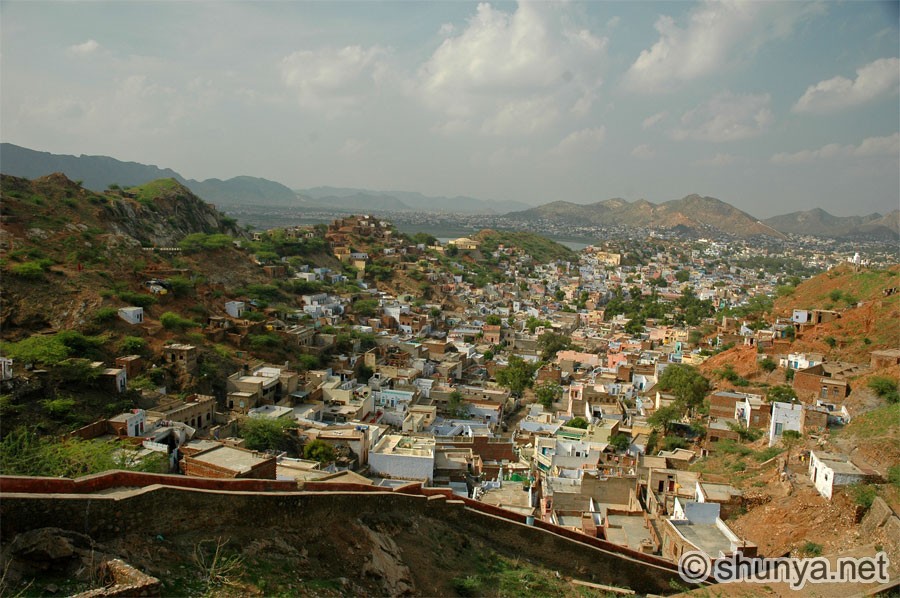
Ajmer lies on the lower slopes of Taragarh Hill. Founded by Ajayadeva, an 11th-century Rajput ruler, Ajmer was annexed to the Delhi Slave dynasty in 1193. Upon payment of tribute it was returned to its Rajput rulers, until taken by Akbar in 1556. In 1770 it was annexed by the Marathas, after which the area was a continual Rajput-Maratha battleground until it was ceded to the British in 1818. In 1878 Ajmer was made a chief commissioner's province known as Ajmer-Merwara; it became a part of the state of Rajasthan in 1956.
Architectural monuments in the city include an ancient Jain temple (converted c. 1200 into a mosque); the white marble tomb complex of the Muslim saint Muin-ud-Din Chishti (d. 1236); and the palace of Akbar (reigned 1556-1605), now a museum. The city was a Muslim military base used in operations against the Rajputs. To the north lies Ana Sagar, a lake created in the 11th century, on the shores of which stand marble pavilions built by Shah Jahan (reigned 1628-1658). [Adapted from Encyclopedia Britannica]
 |
Houses 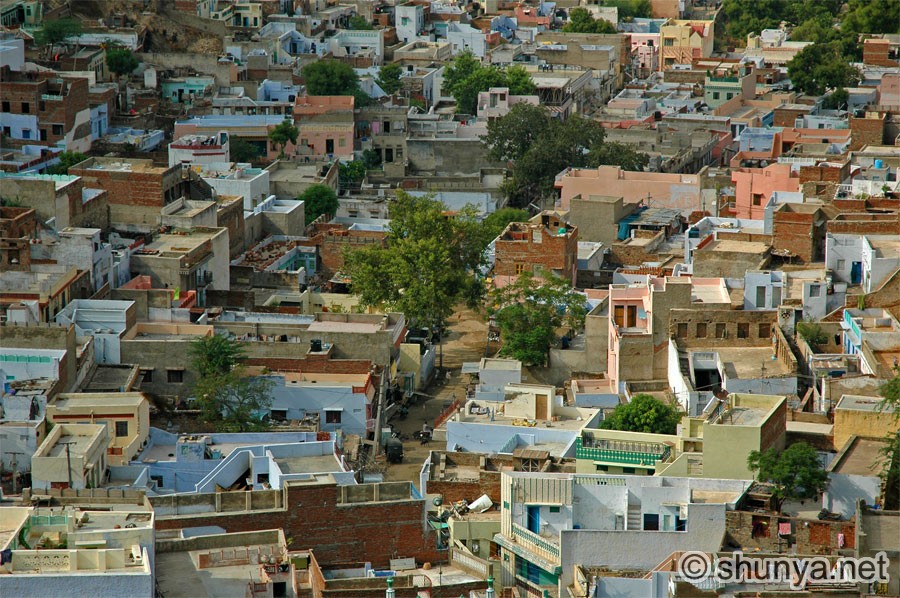 |
Donkey ride 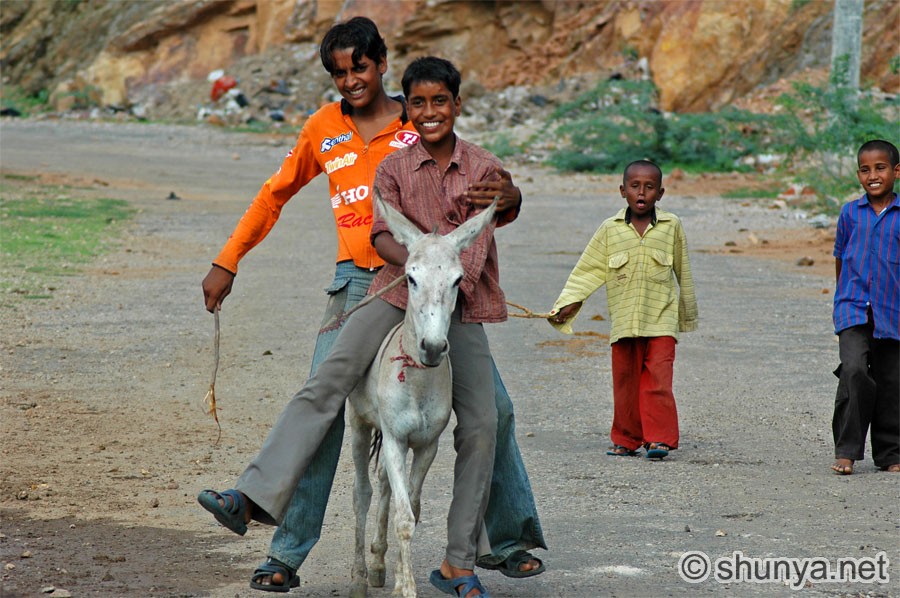 |
Veils 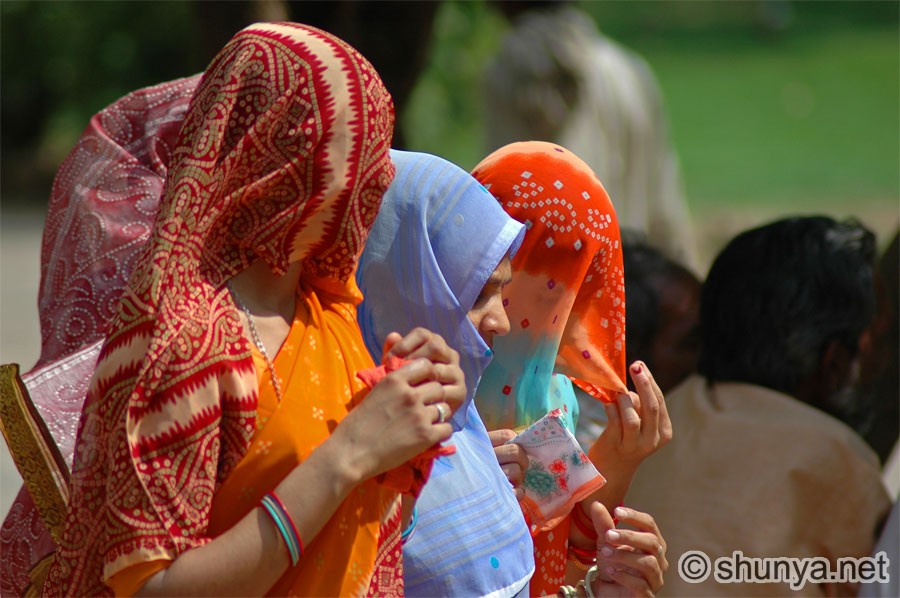 |
|
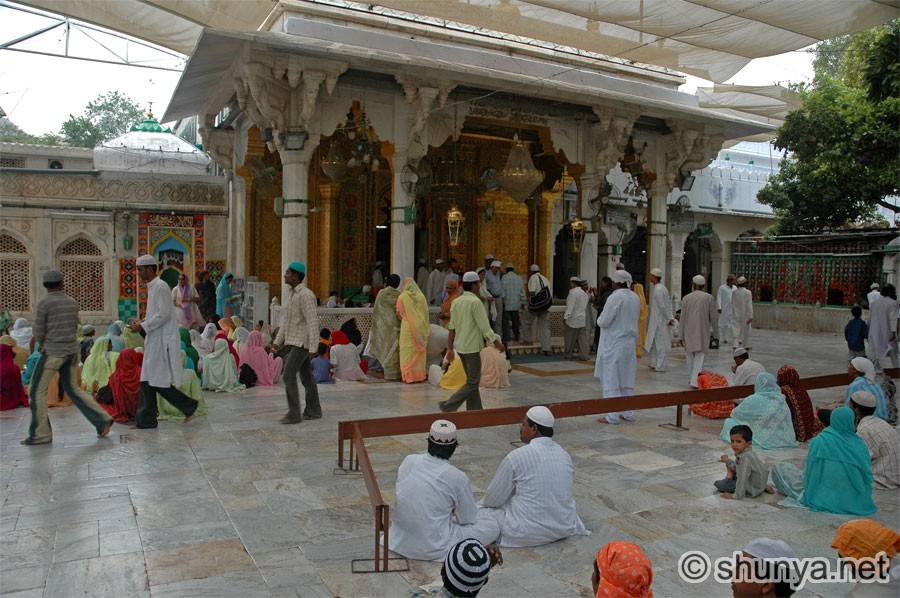
Tomb of Sufi Khwaja Muin-ud-Din Chishti |
|||
|
Dargah entrance (more) 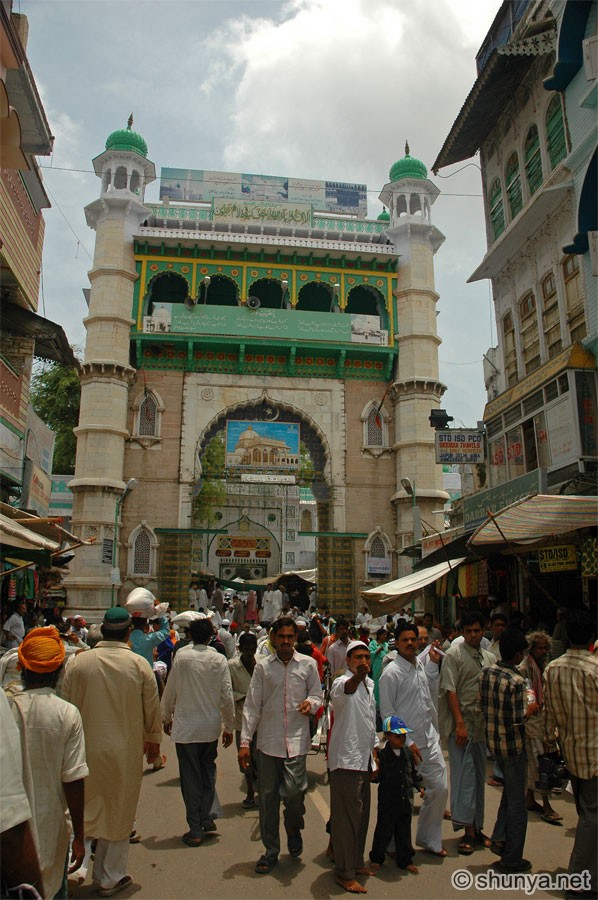 |
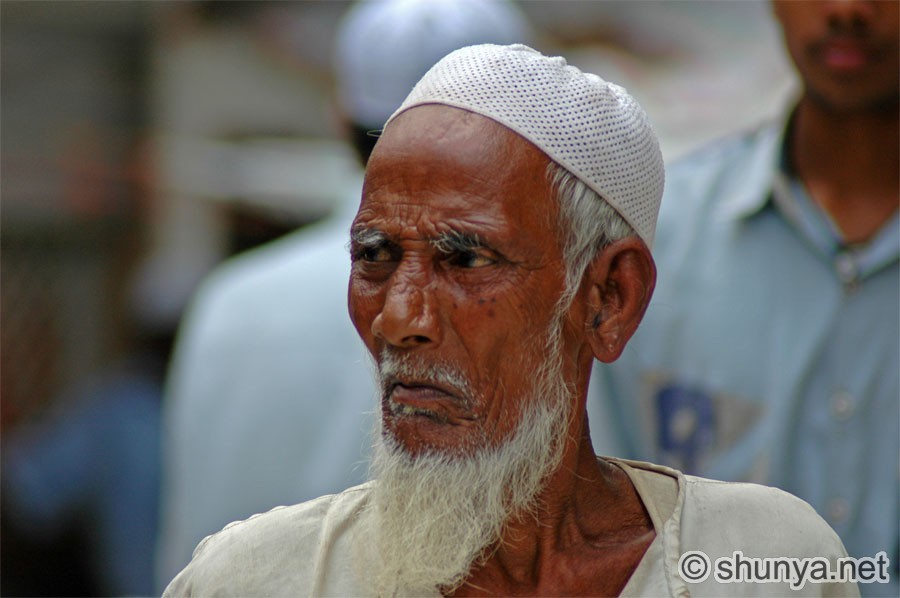
Pilgrim 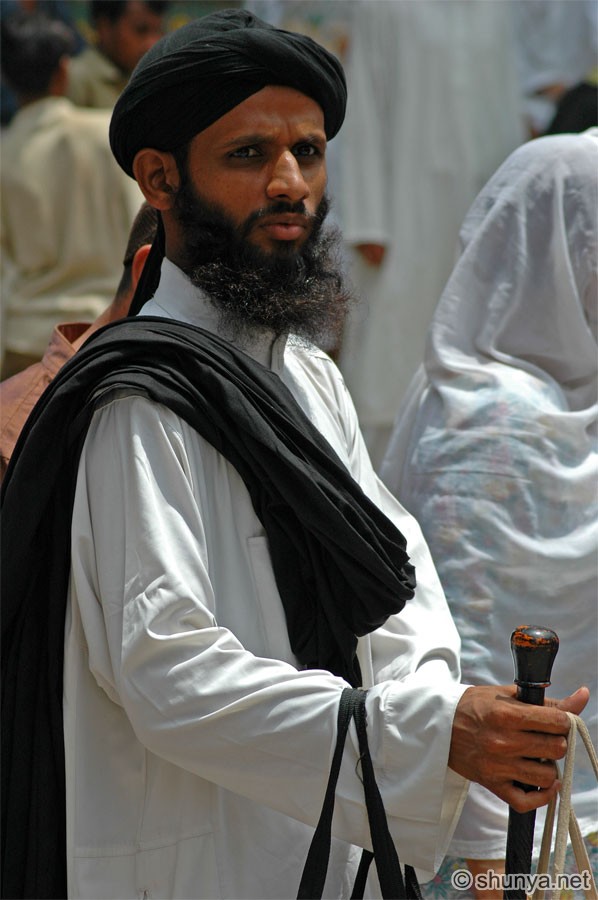 |
||
|
First courtyard 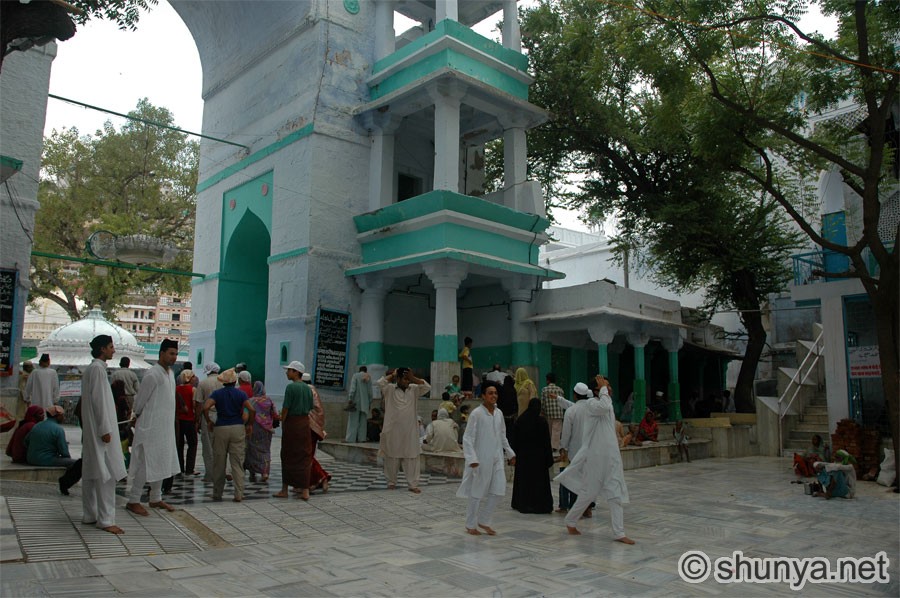 |
Second courtyard (more) 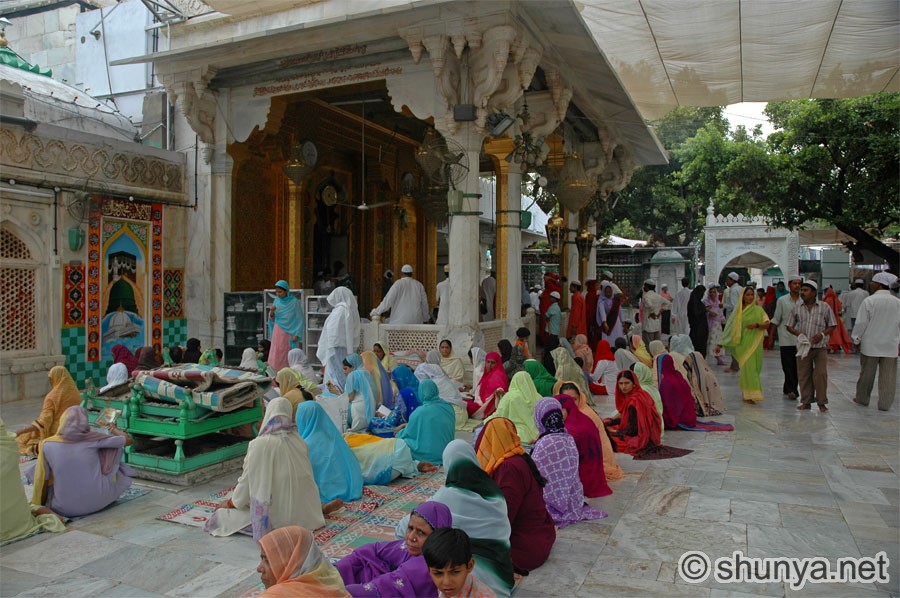 |
||
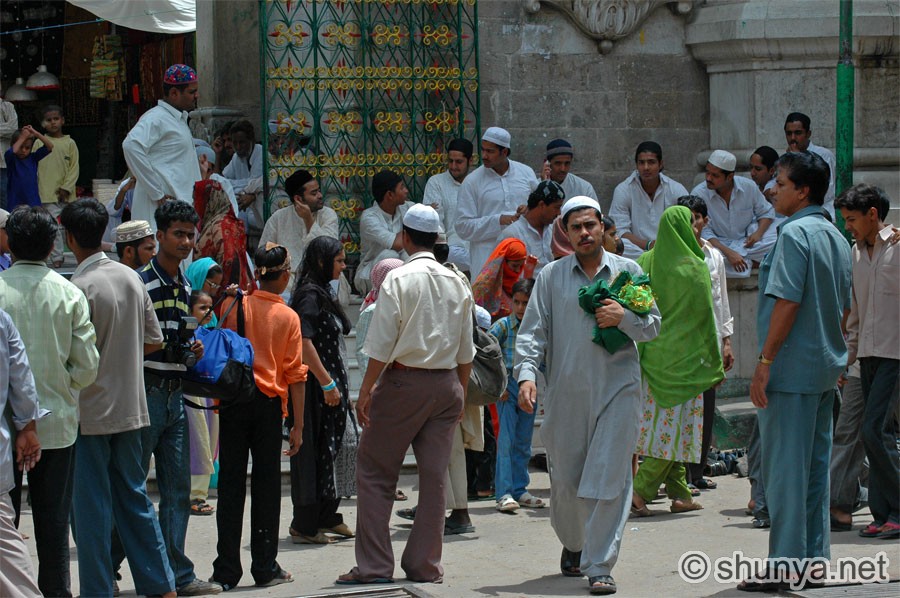
Big Muslim pilgrimage site 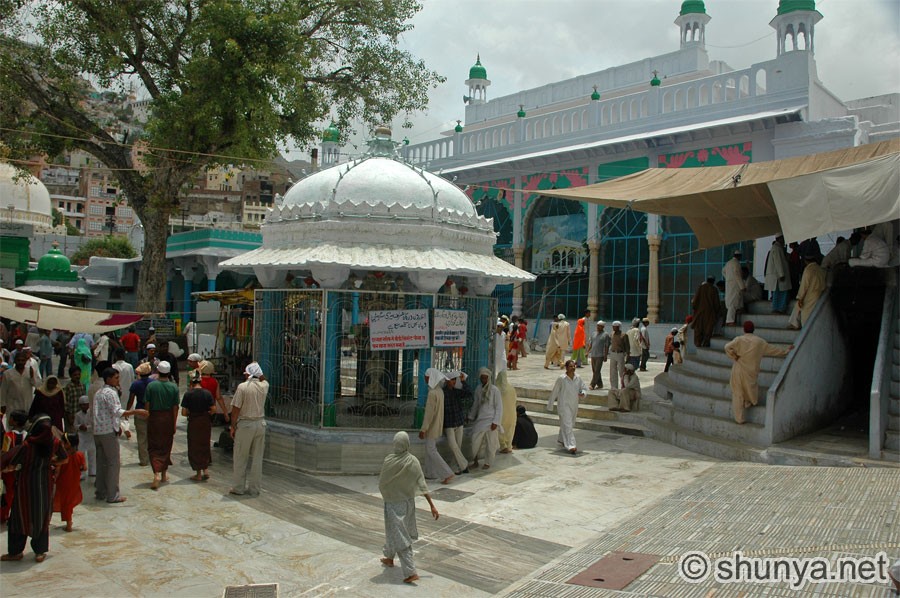 |
Patronized by the Mughals 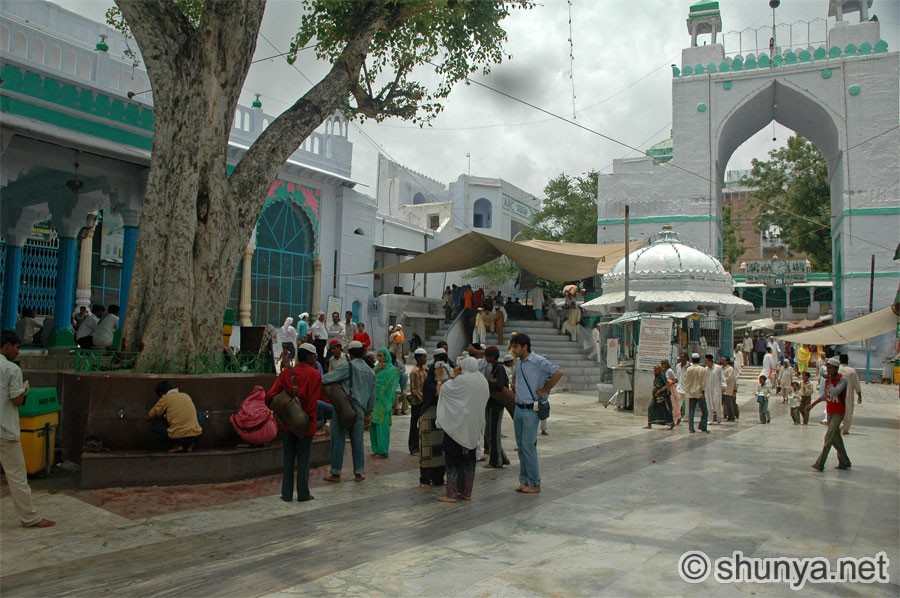 |
Tomb chamber entrance 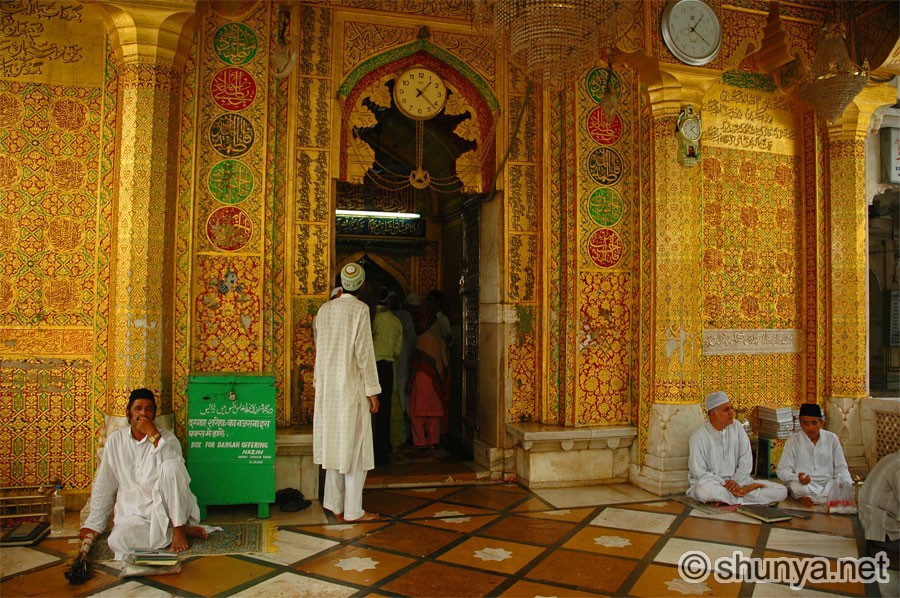 |
Father & son 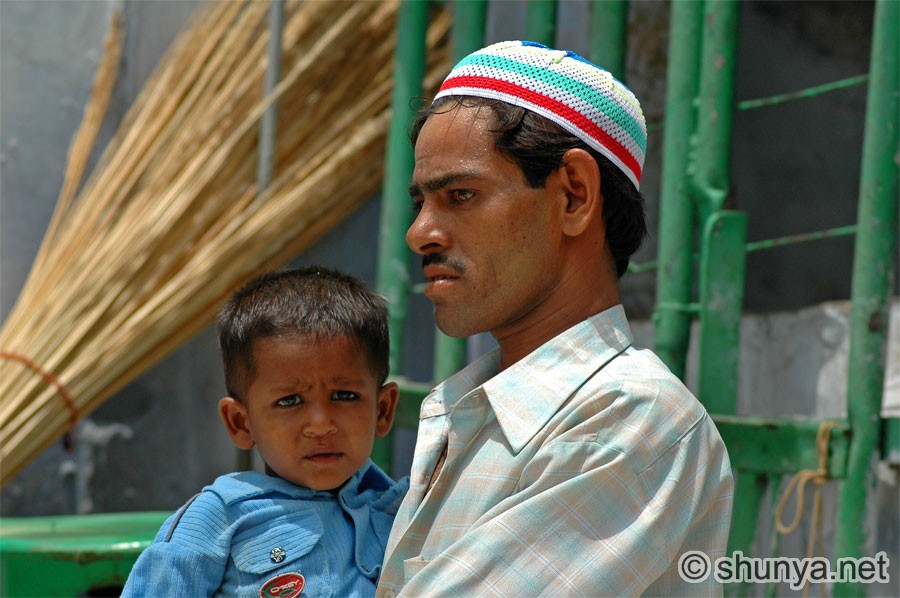 |
|
Local man (more) 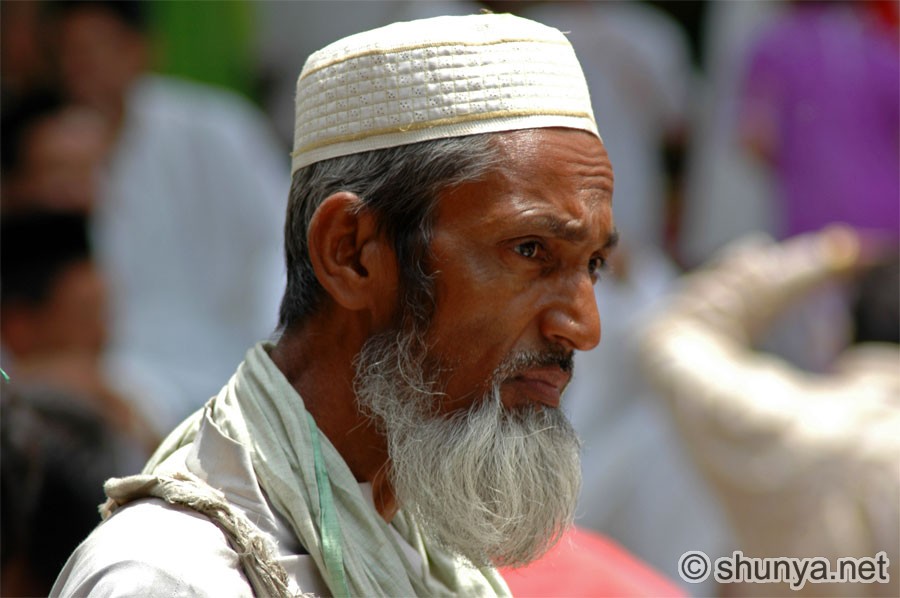 |
Beggars 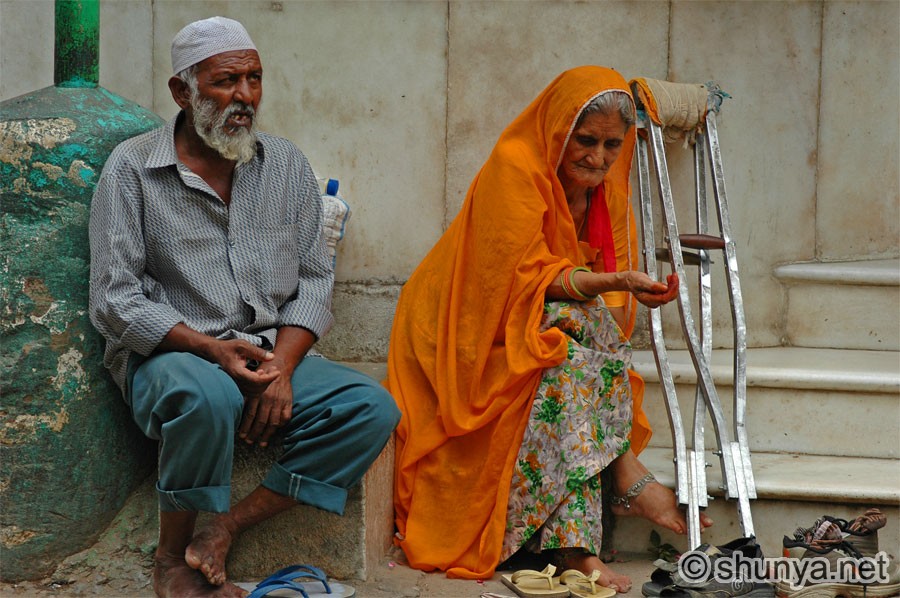 |
||
|
Local woman 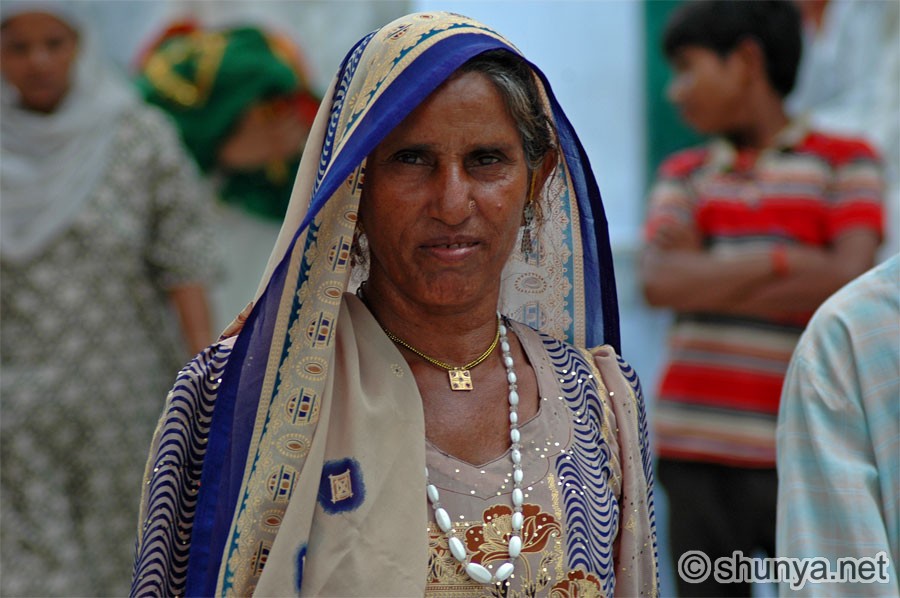 |
Handicapped man 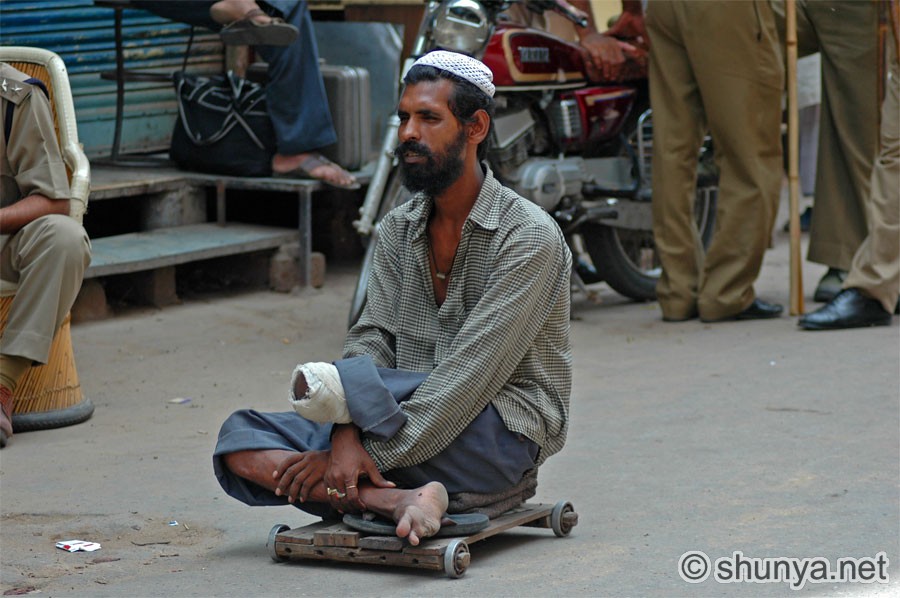 |
||
|
Adhai-din-ka-Jhonpra Mosque |
|||
Former temple, now mosque 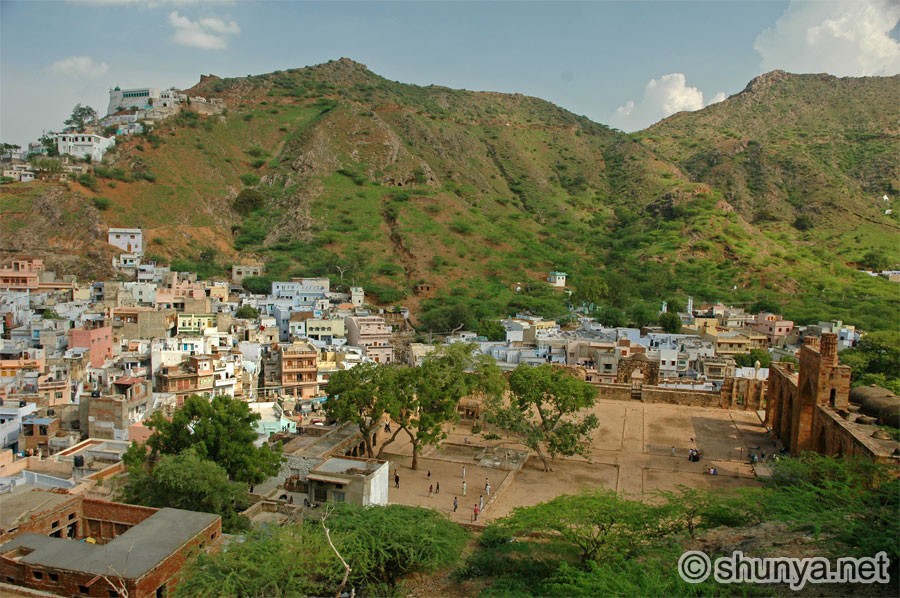 |
Inside the compound 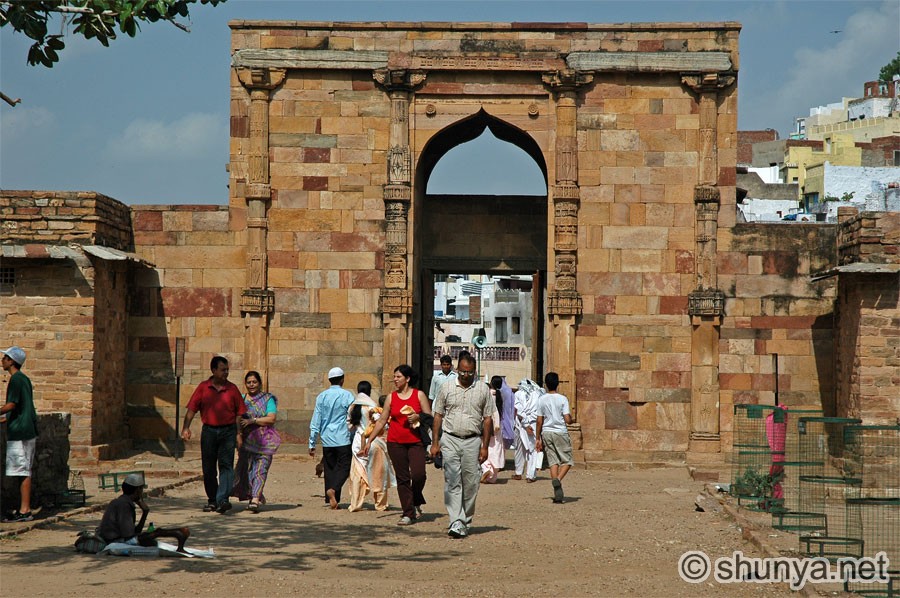 |
Built in 1153 CE 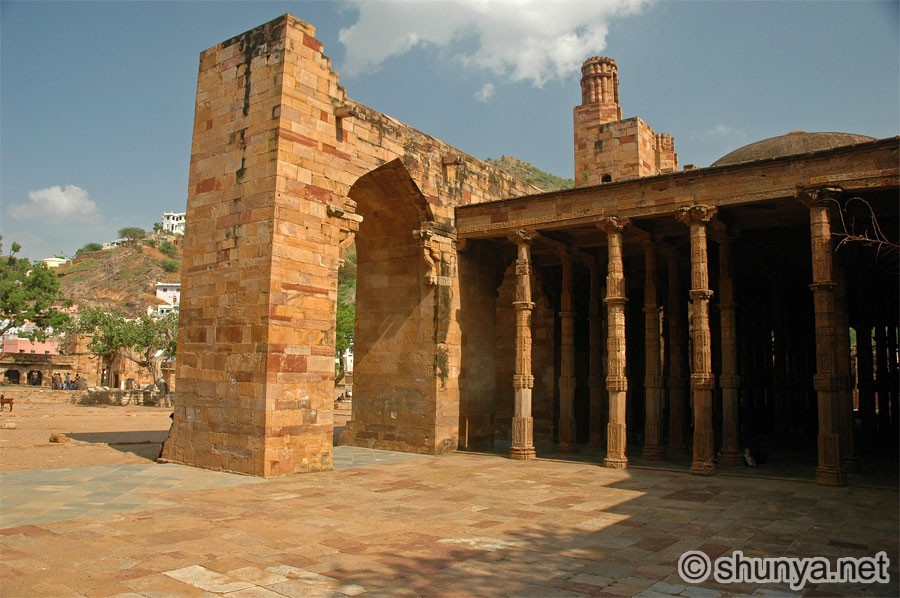 |
Strange birth defect 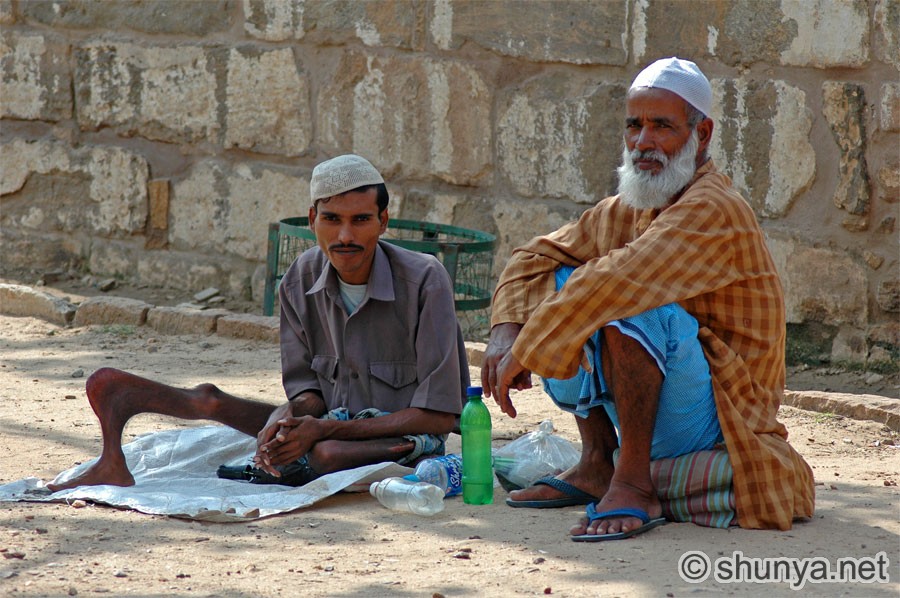 |
Pillared hall 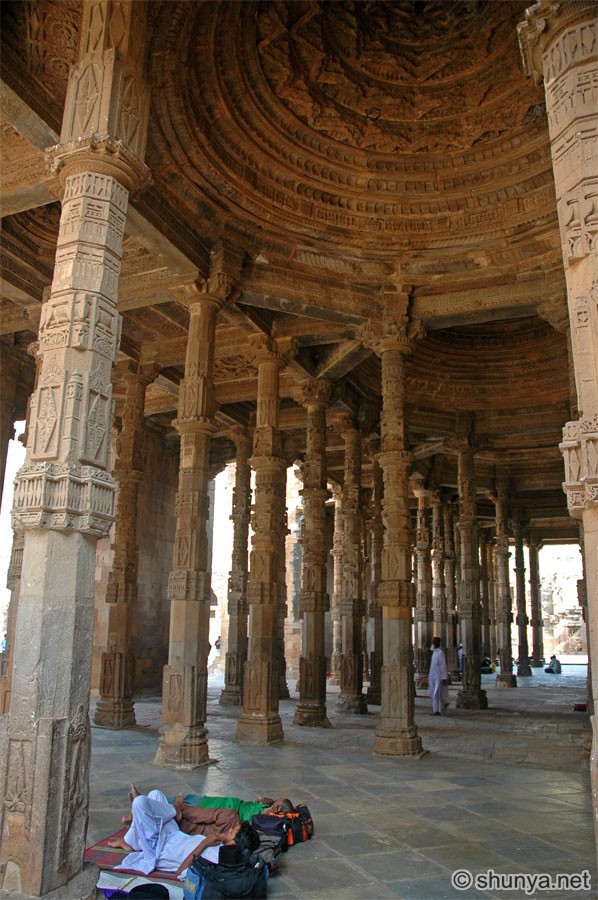 |
Local man 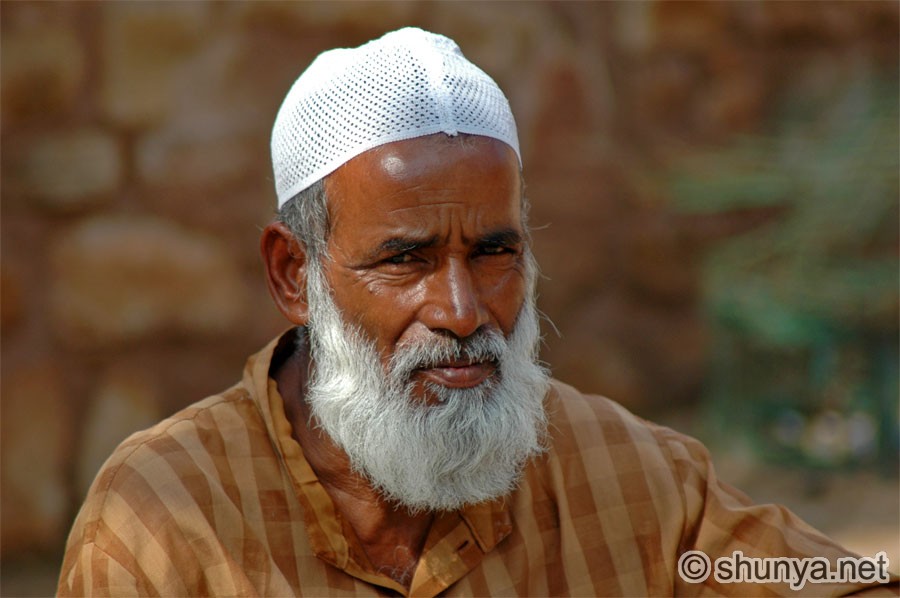 |
Pillars 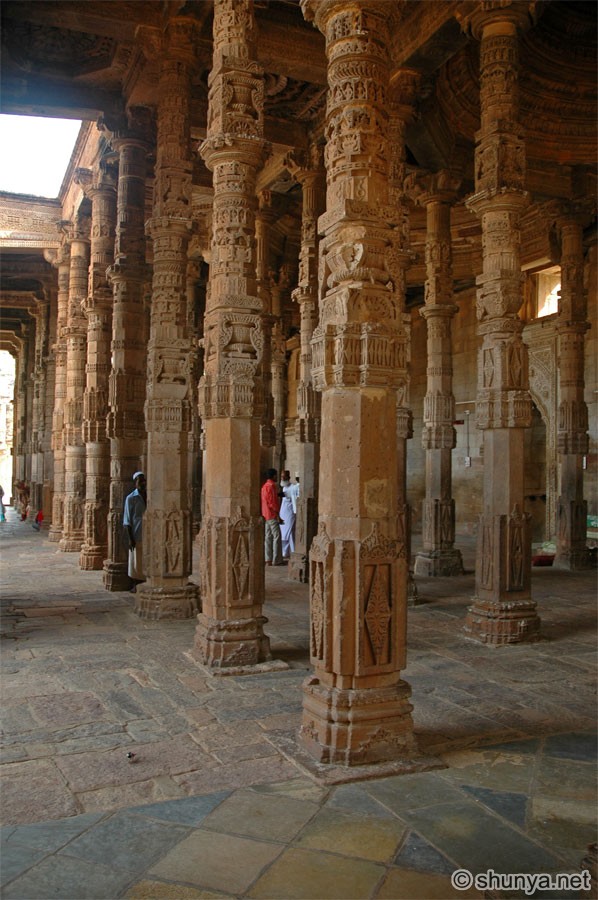 |
Wall detail 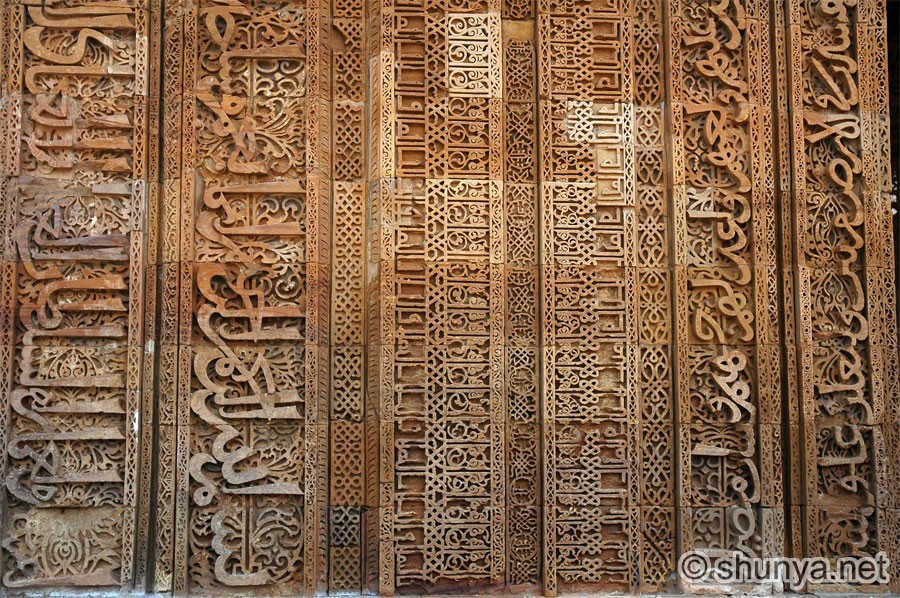 |
|
Ana Sagar Lake and Nasiyan Temple |
|||
Lakeside marble pavilion 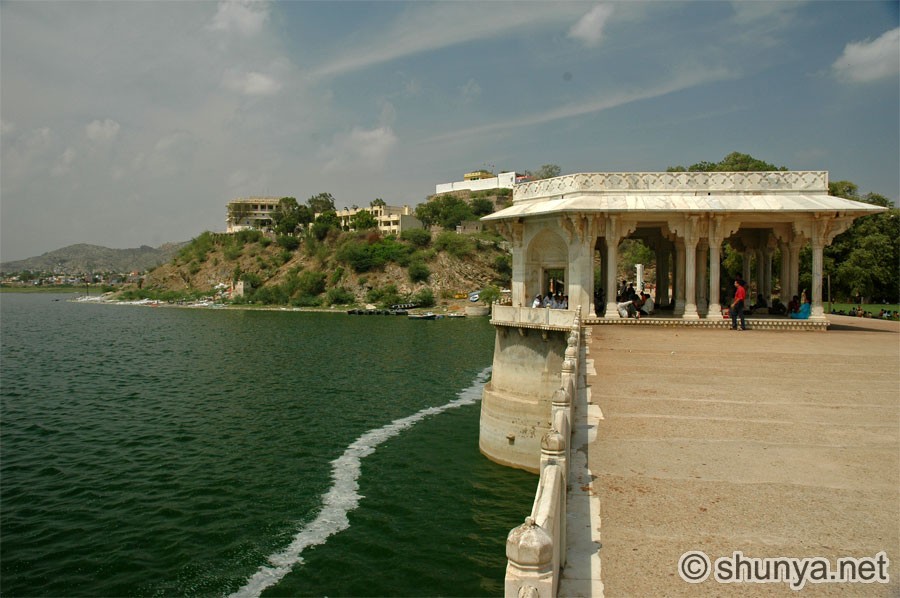 |
Built by Shah Jehan 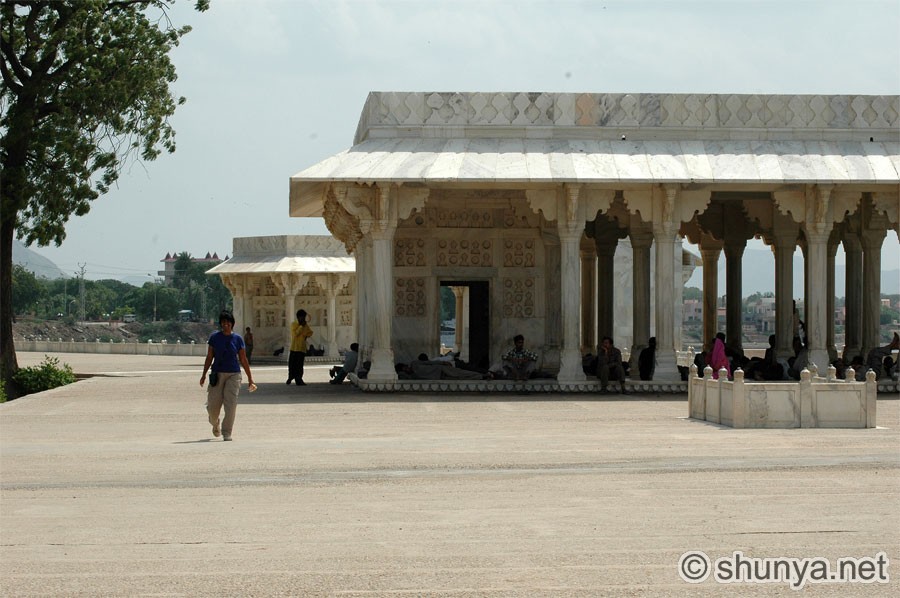 |
Lakeside settlement 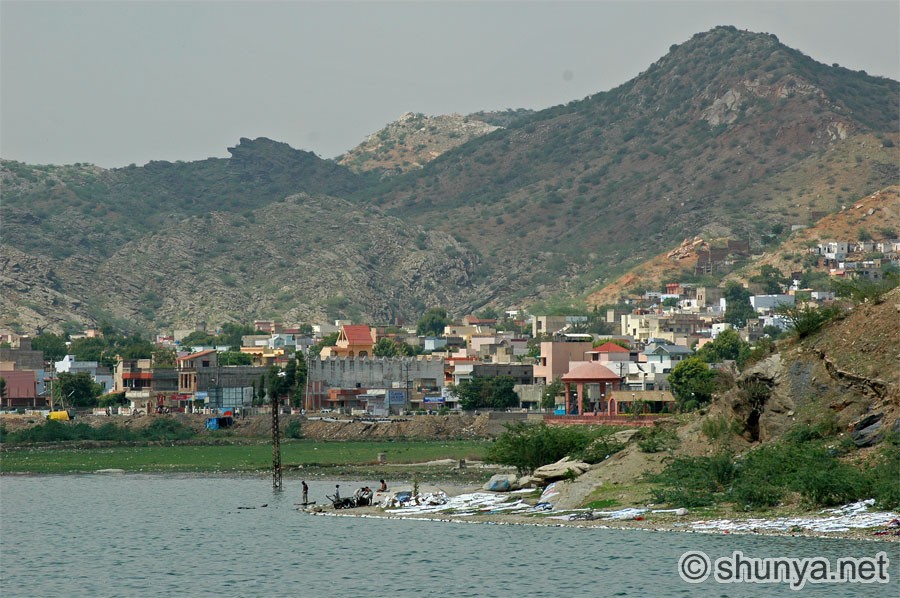 |
Ghat on the lake 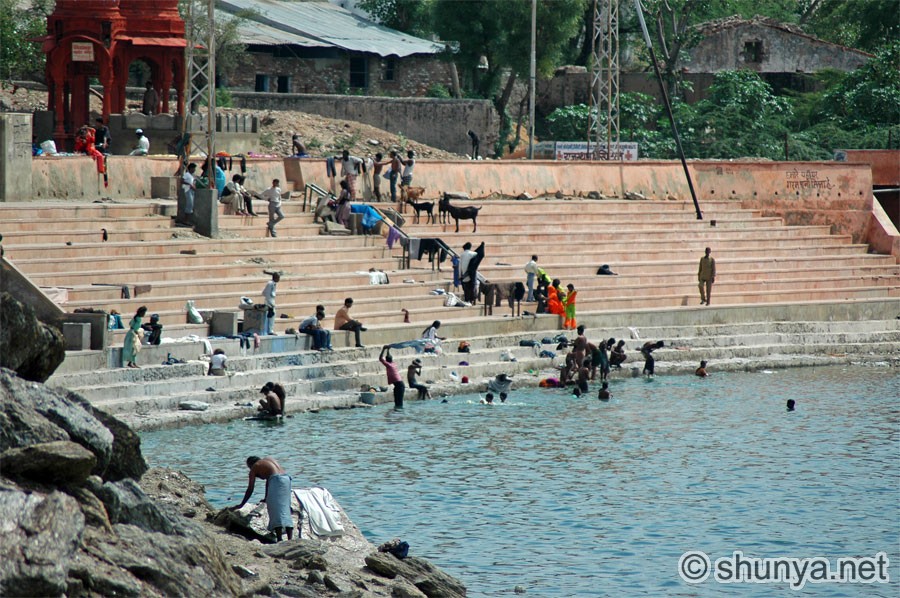 |
Soni Nasiyan (temple) 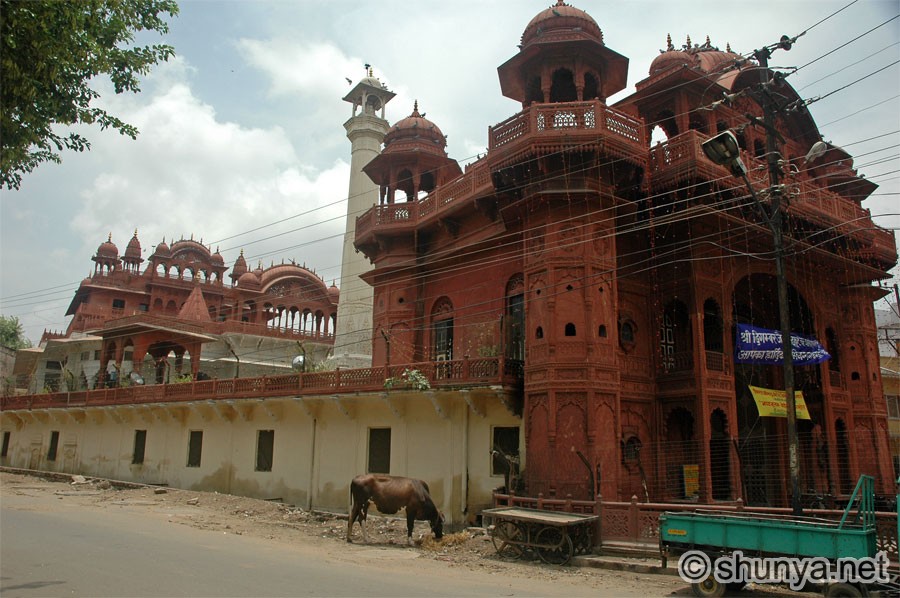 |
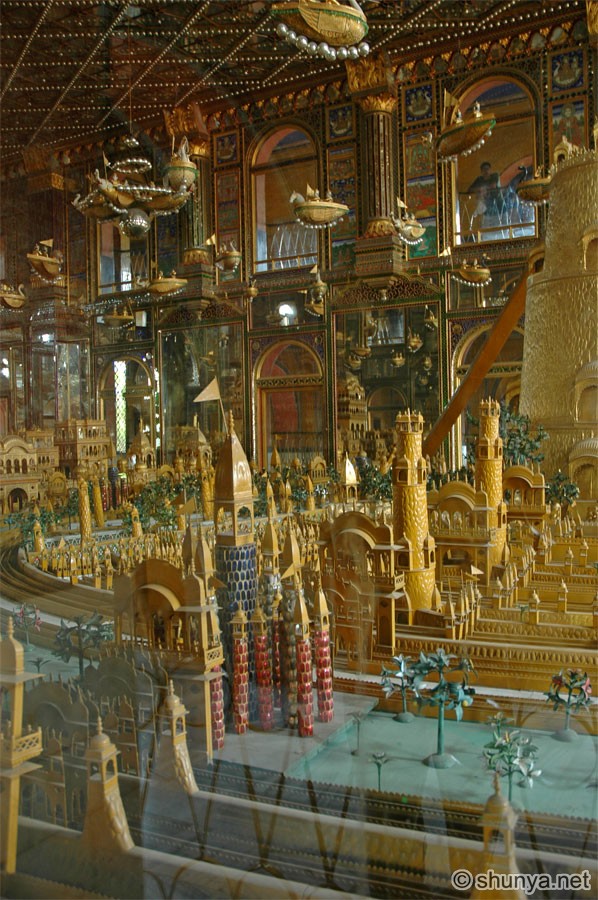
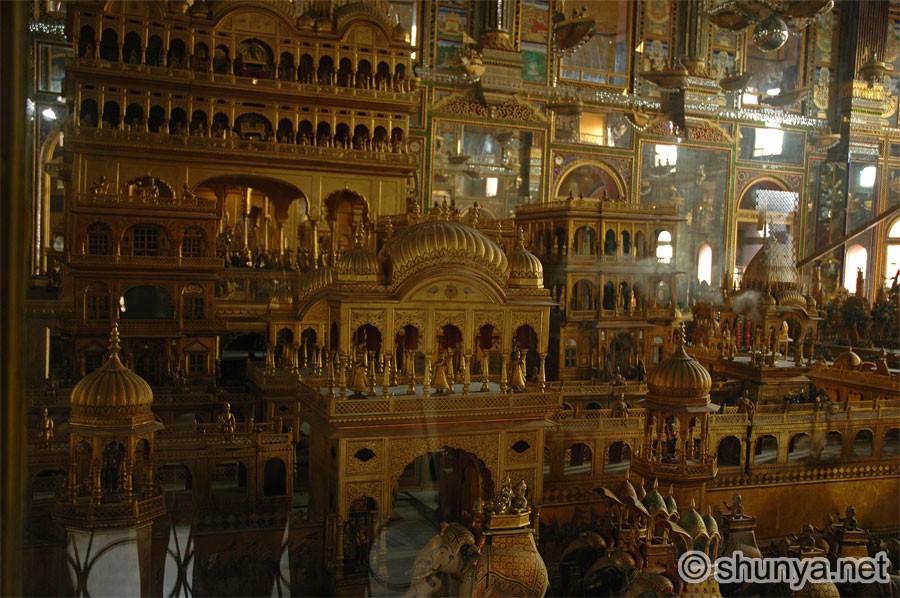
Golden tableau (19th cent.) 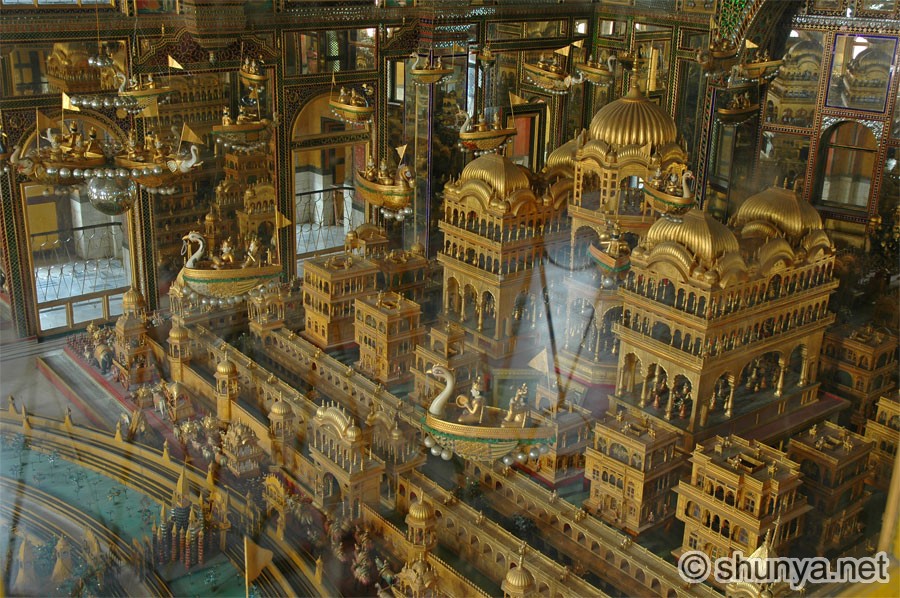 |
Inside an airtight hall (1, 2) 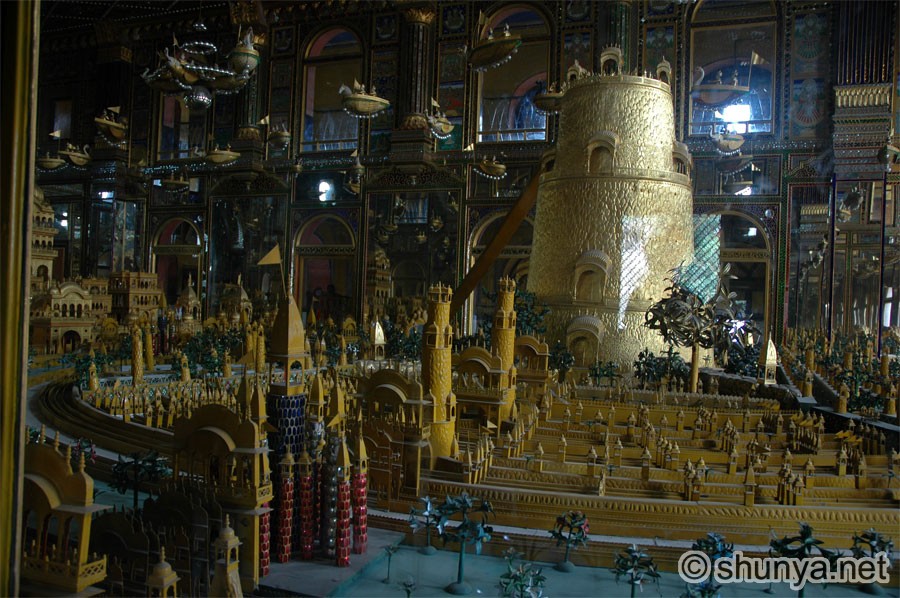 |
Cosmos according to Jains 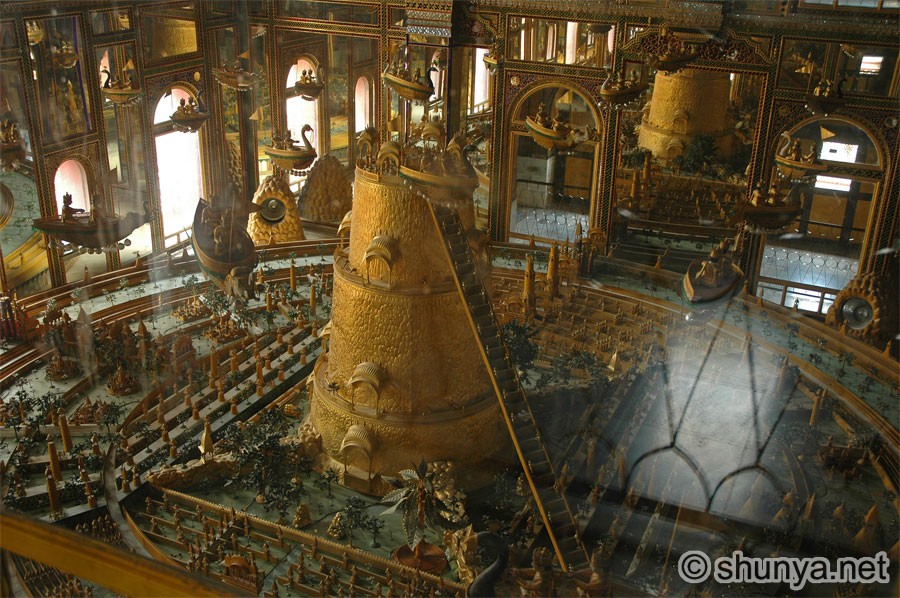 |
Designed in collaboration with Vitalect, Inc. All rights reserved. |