







Primates
Any mammal group that includes the lemurs, lorises, tarsiers, monkeys, apes, and humans. The order Primates, with its 300 or more species, is the third most diverse order of mammals, after rodents and bats. Although there are some notable variations between some primate groups, they share several anatomic and functional characteristics reflective of their common ancestry. When compared with body weight, the primate brain is larger than that of other terrestrial mammals, and it has a fissure unique to primates that separates the first and second visual areas on each side of the brain.
Whereas all other mammals have claws or hooves on their digits, only primates have flat nails. Some primates do have claws, but even among these there is a flat nail on the big toe (hallux). In all primates except humans, the hallux diverges from the other toes and together with them forms a pincer capable of grasping objects such as branches. Not all primates have similarly dexterous hands; only the catarrhines (Old World monkeys, apes, and humans) and a few of the lemurs and lorises have an opposable thumb. Primates are not alone in having grasping feet, but as these occur in many other arboreal mammals (e.g., squirrels and opossums), and as most present-day primates are arboreal, this characteristic suggests that they evolved from an ancestor that was arboreal. So too does primates' possession of specialized nerve endings (Meissner's corpuscles) in the hands and feet that increase tactile sensitivity. As far as is known, no other placental mammal has them.
Primate teeth are distinguishable from those of other mammals by the low, rounded form of the molar and premolar cusps, which contrast with the high, pointed cusps or elaborate ridges of other placental mammals. This distinction makes fossilized primate teeth easy to recognize. Fossils of the earliest primates date to the Early Eocene Epoch (54.8 million to 49 million years ago) or perhaps to the Late Paleocene Epoch (57.9 million to 54.8 million years ago). Though they began as an arboreal group, and many (especially the platyrrhines, or New World monkeys) have remained thoroughly arboreal, many have become at least partly terrestrial, and many have achieved high levels of intelligence. It is certainly no accident that the most intelligent of all forms of life, the only one capable of constructing the Encyclopedia Britannica, is a catarrhine belonging to this order.♣
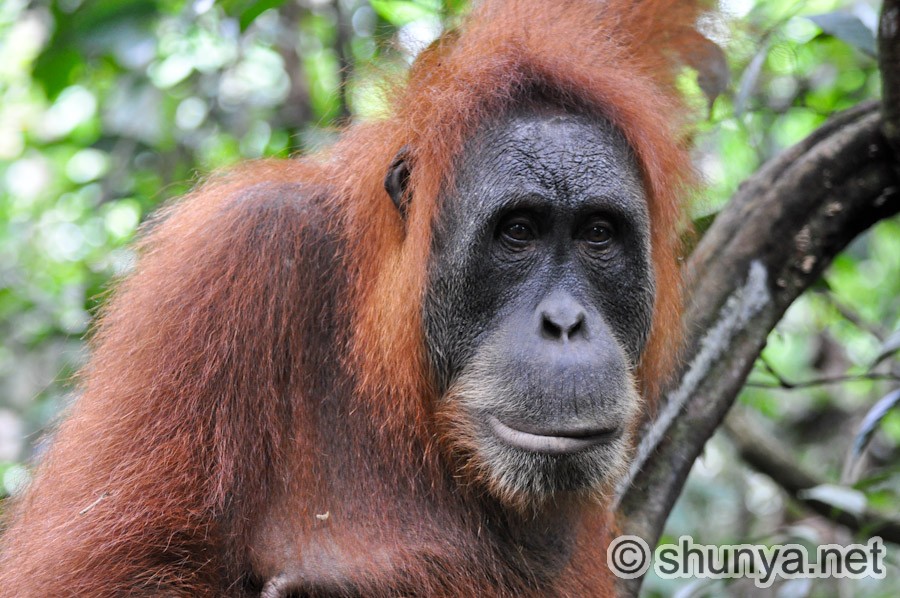
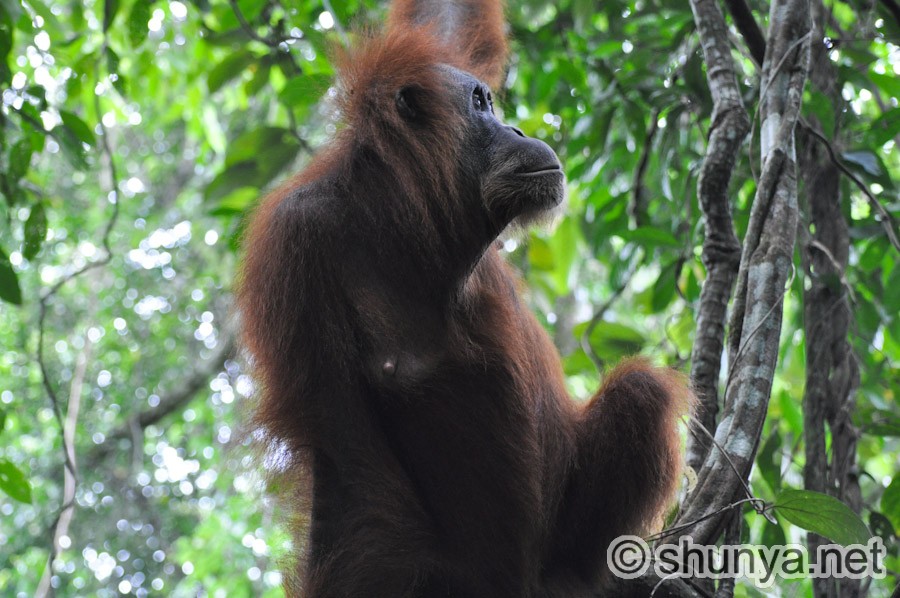
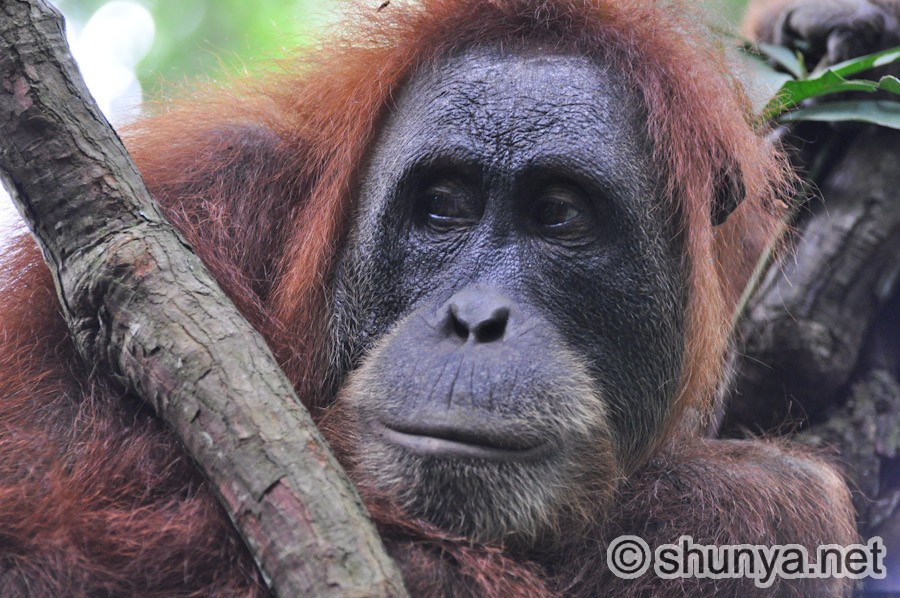
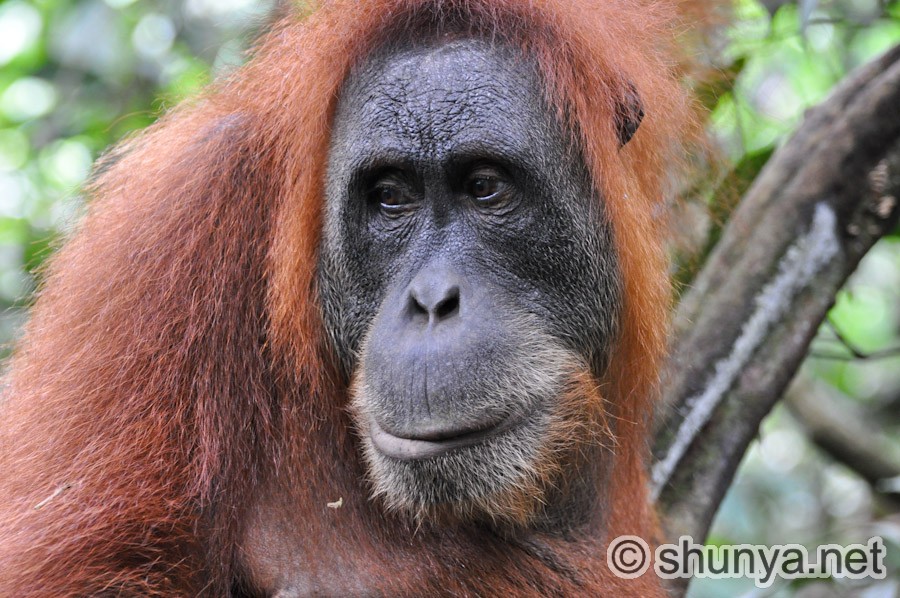
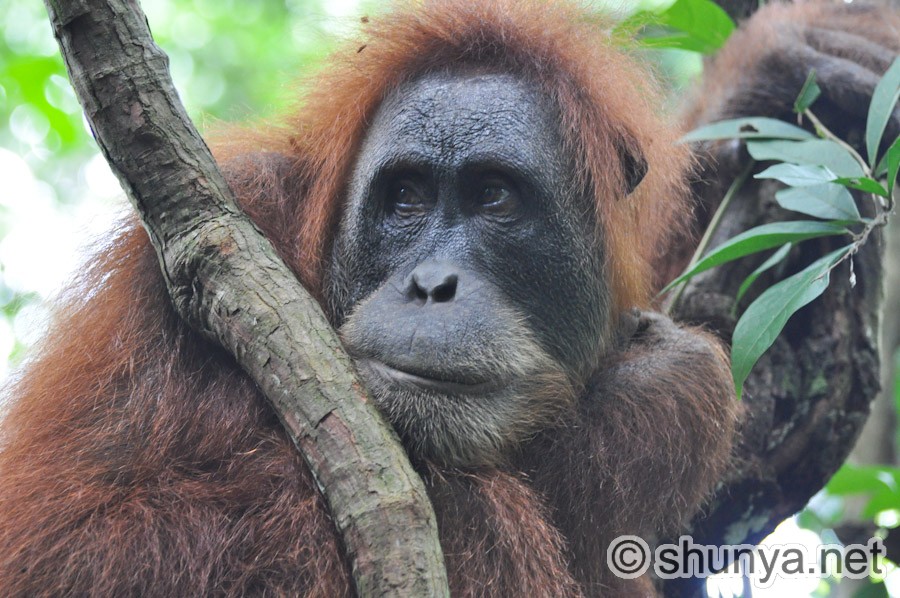
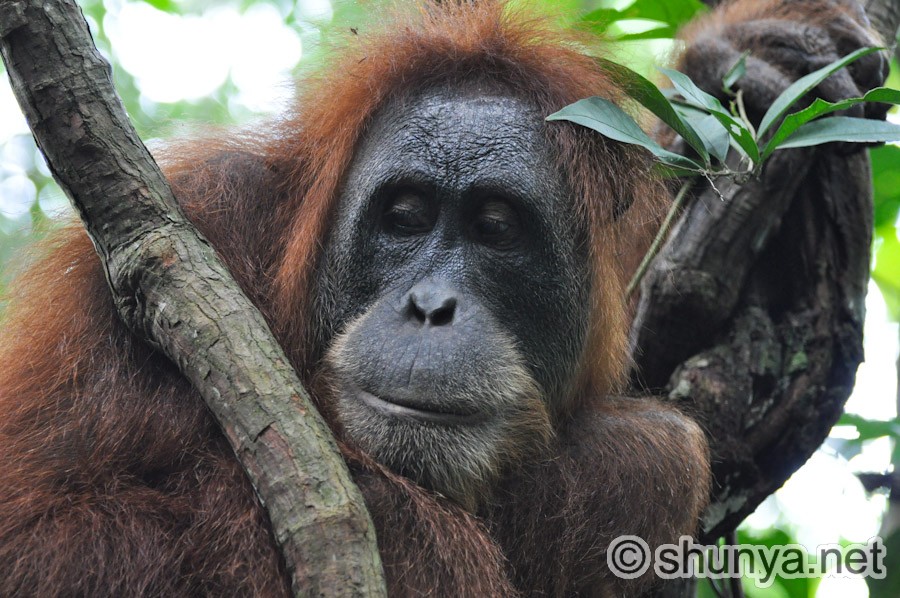
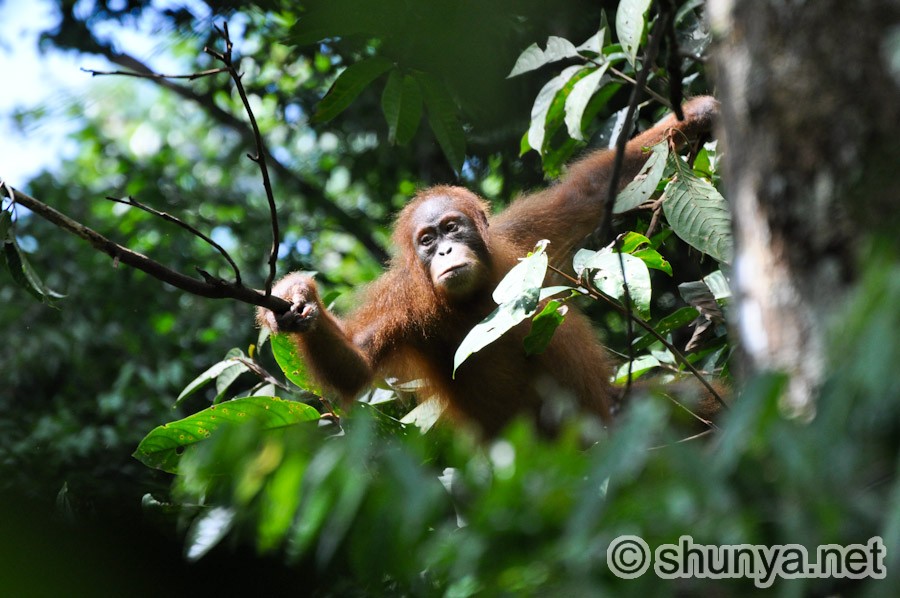
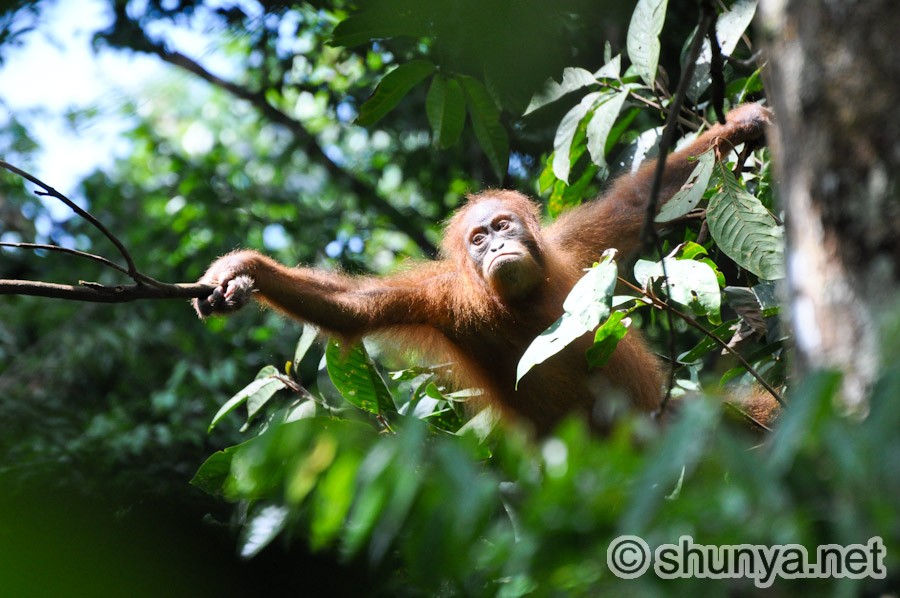
The Orangutans of Sumatra (see a slideshow) |
|||
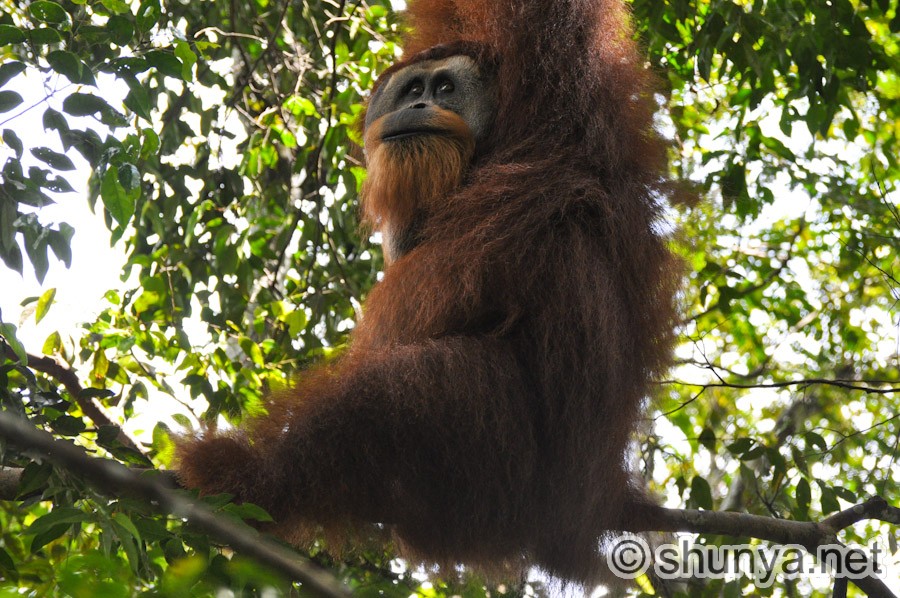
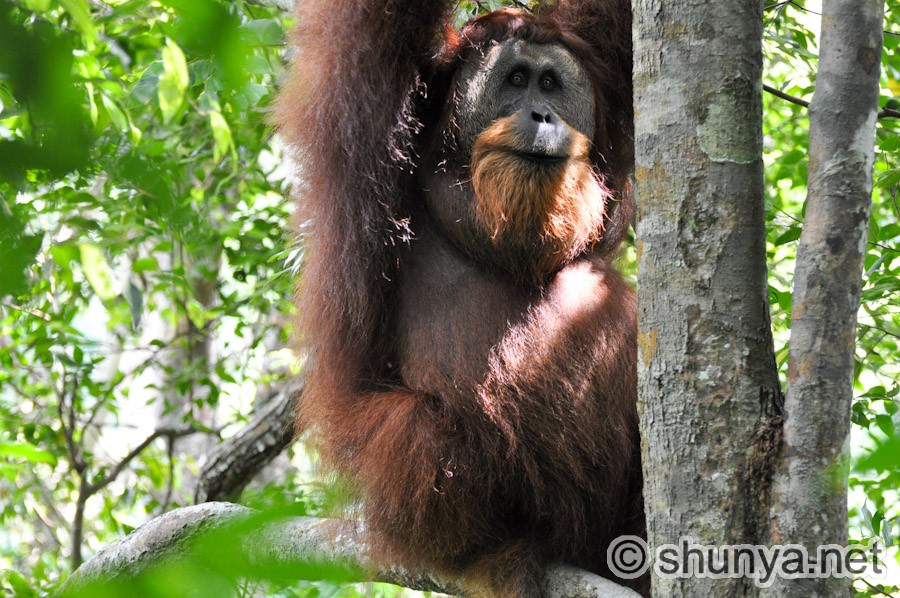
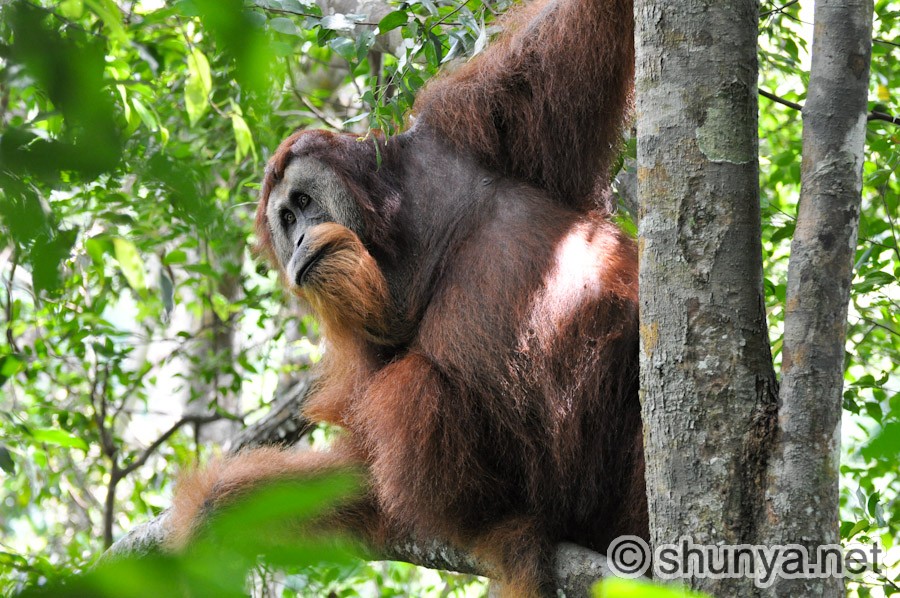
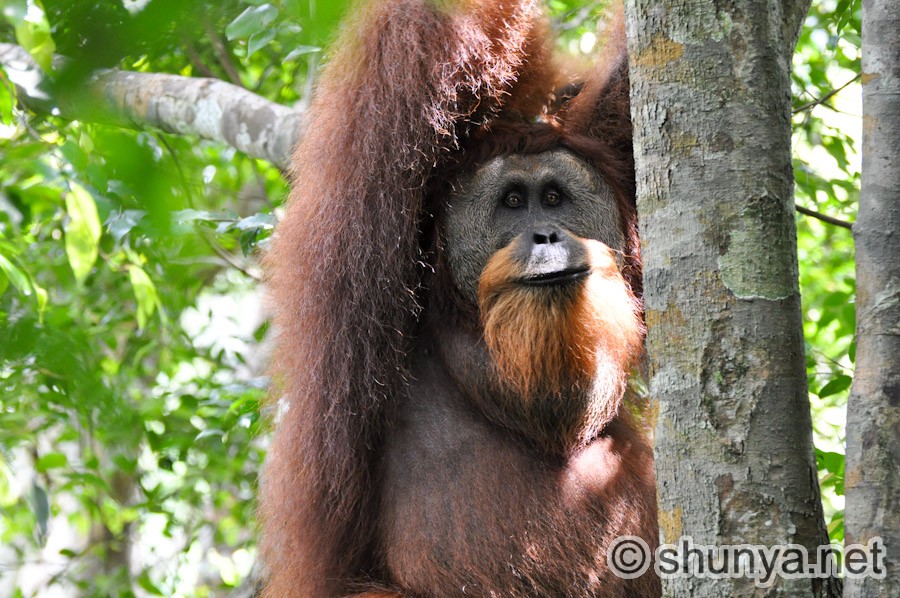
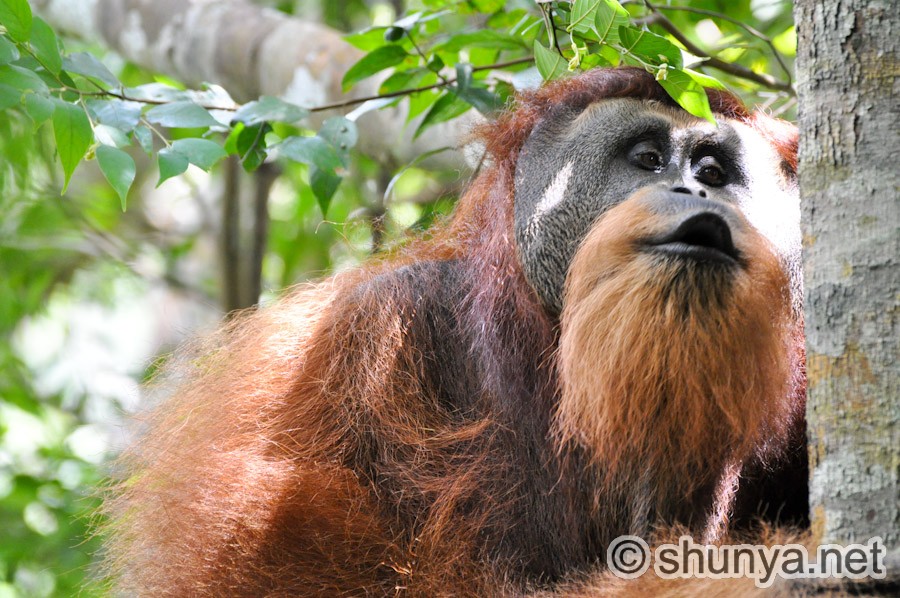
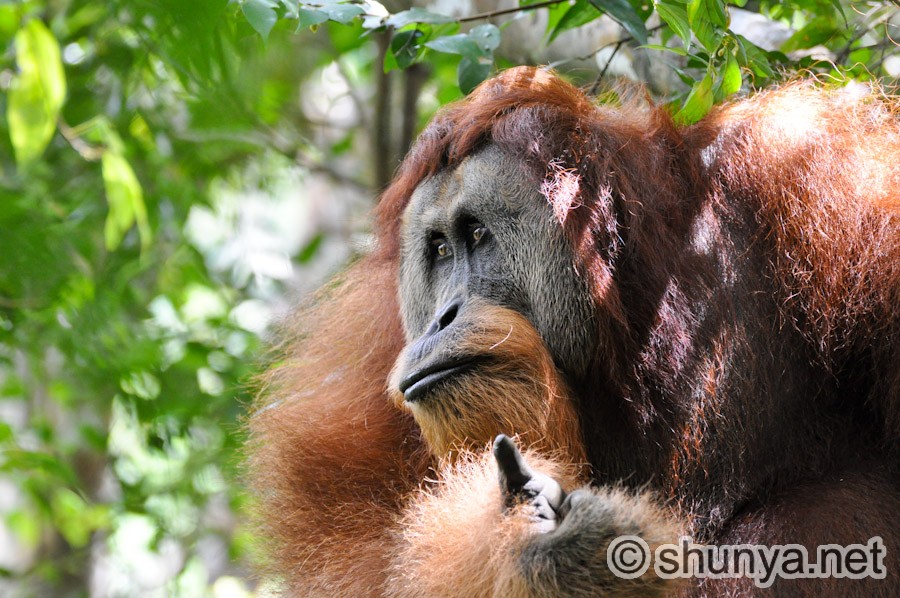
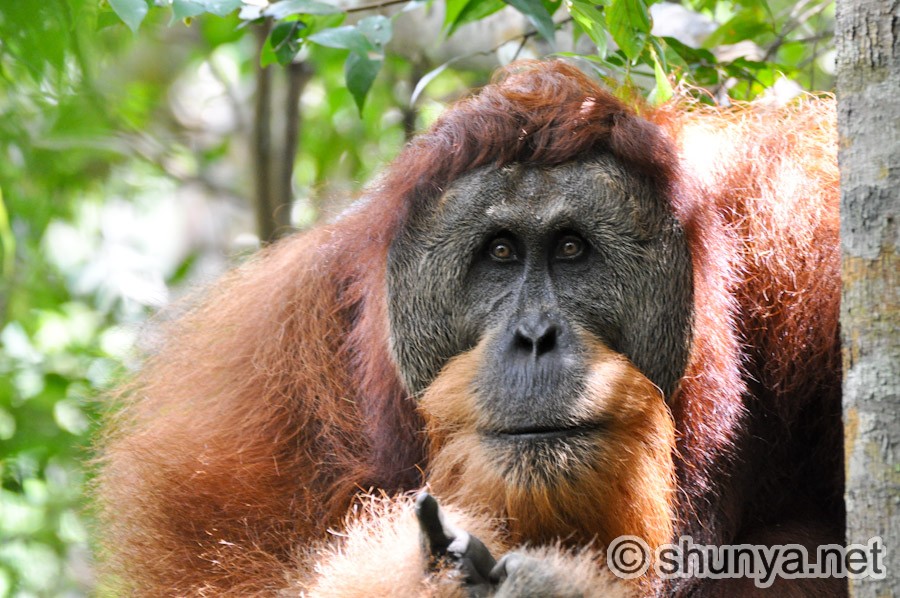
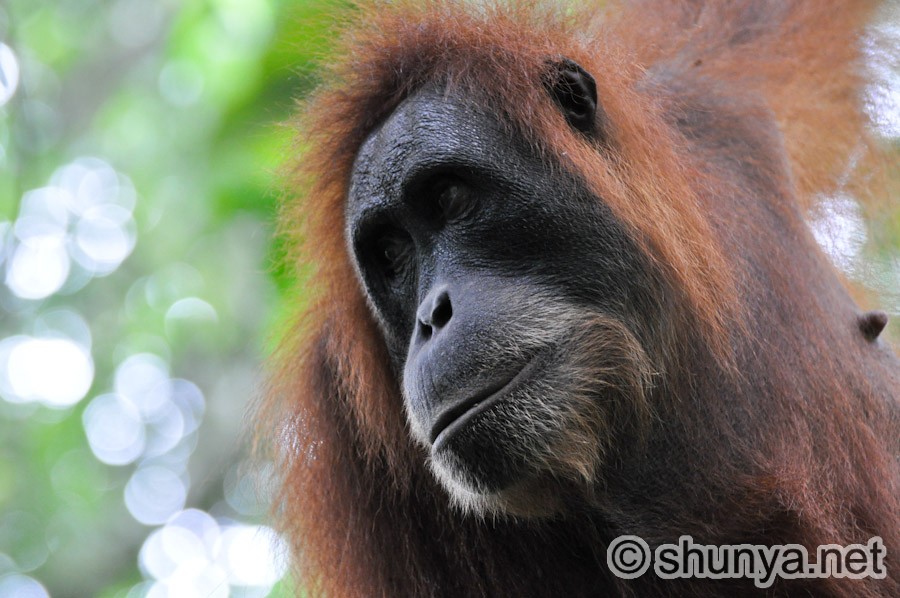
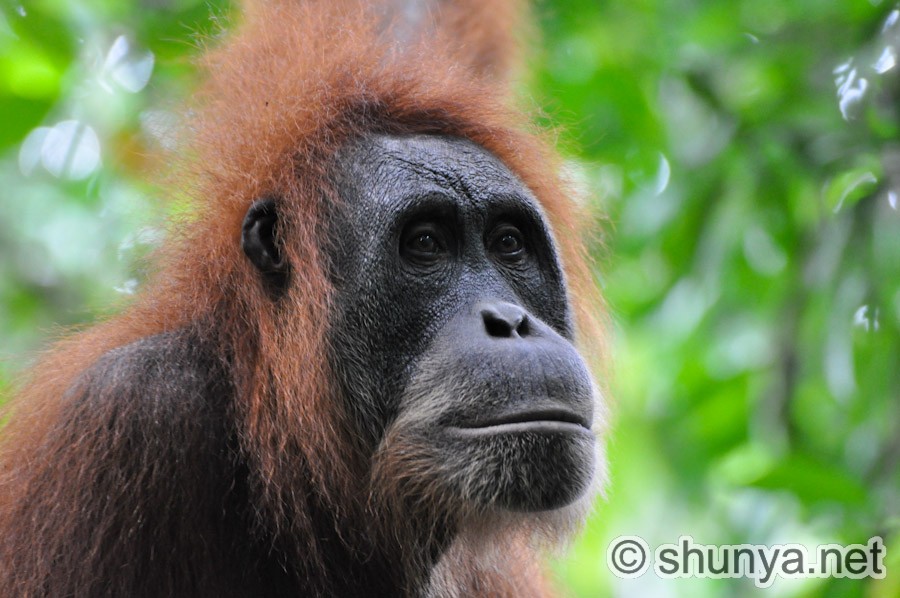
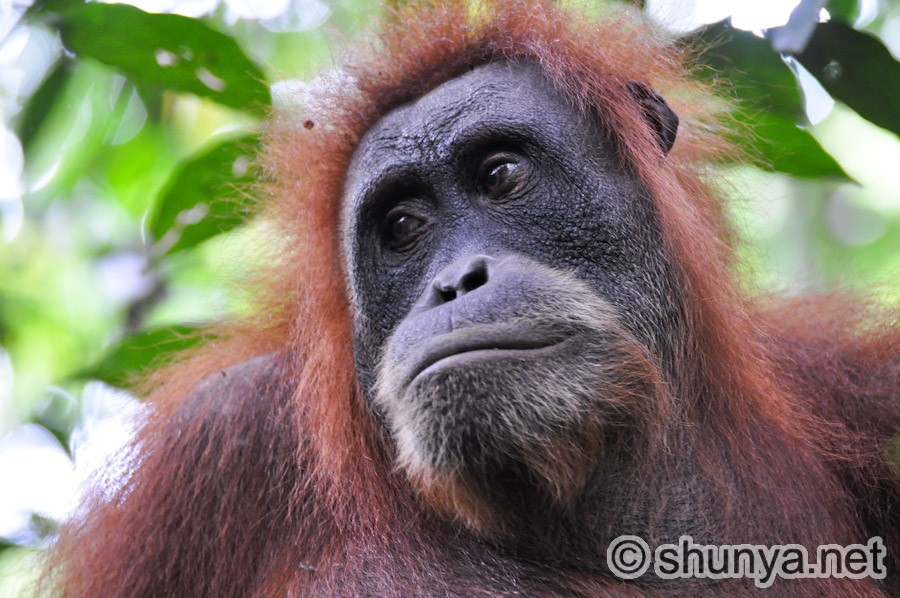
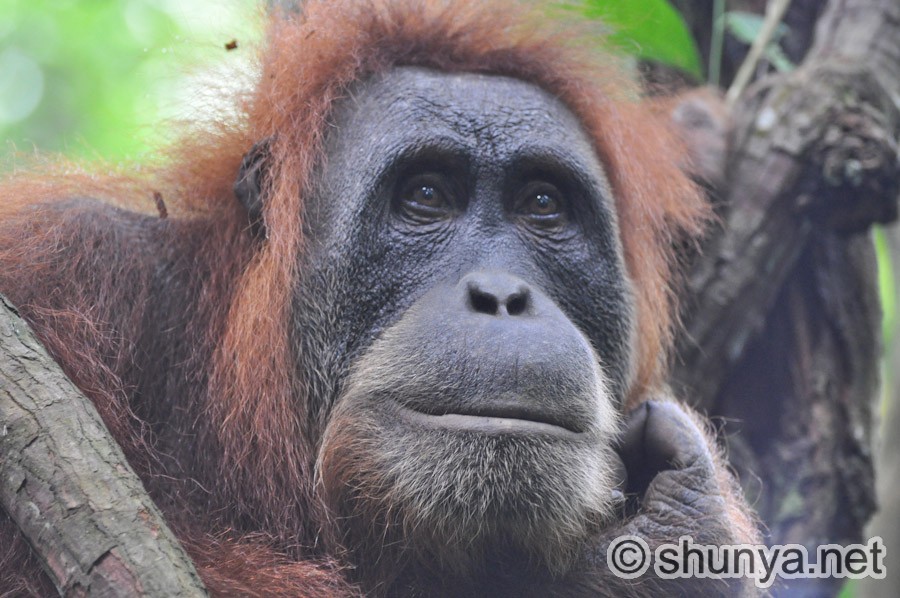
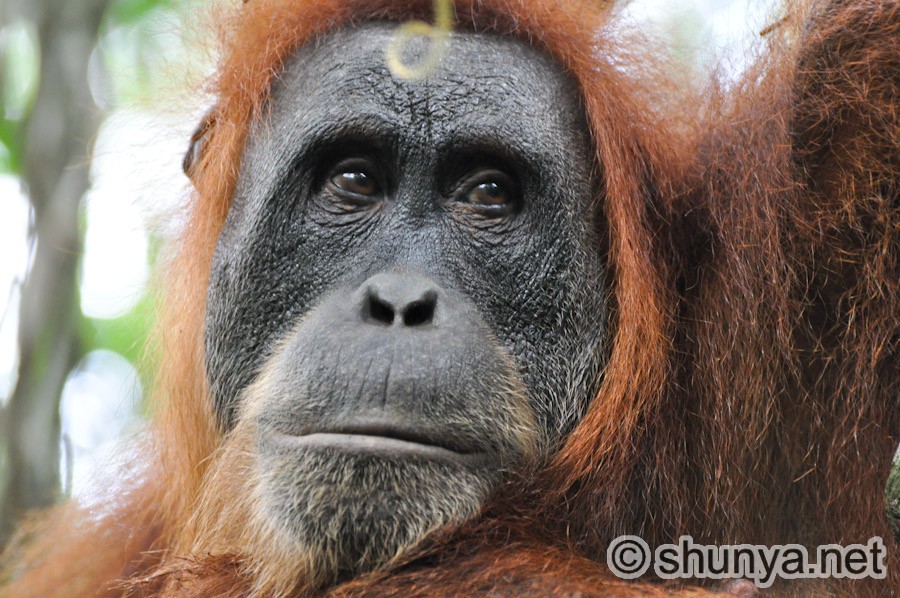
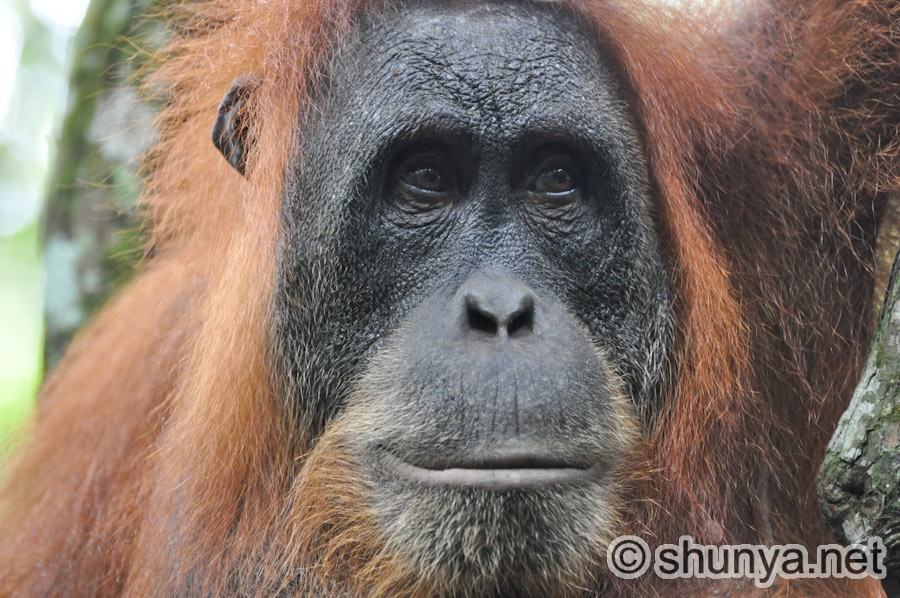
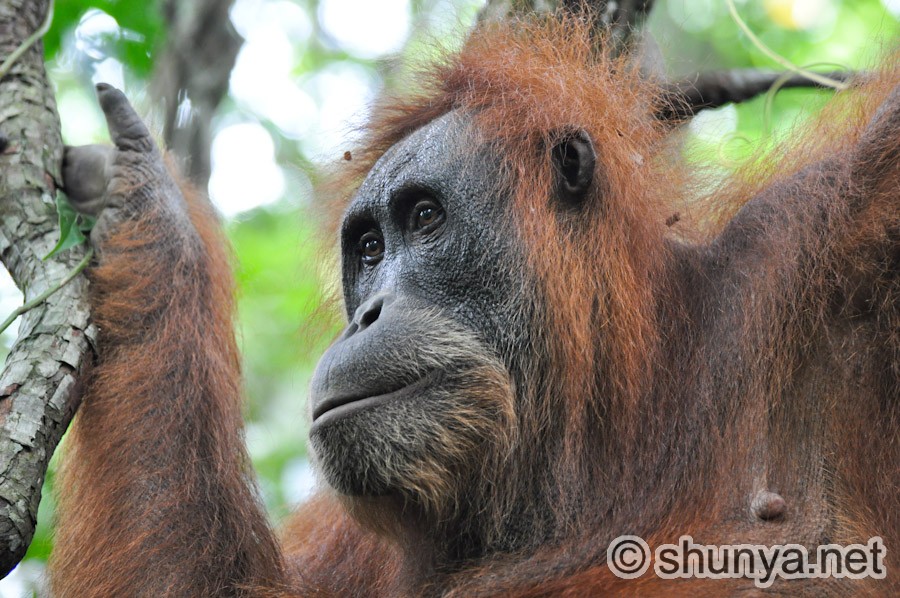
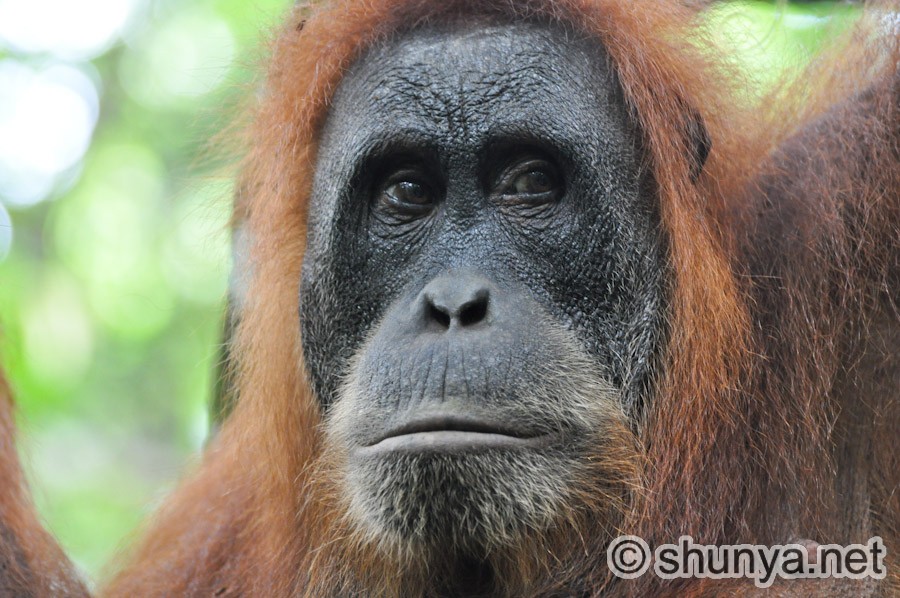
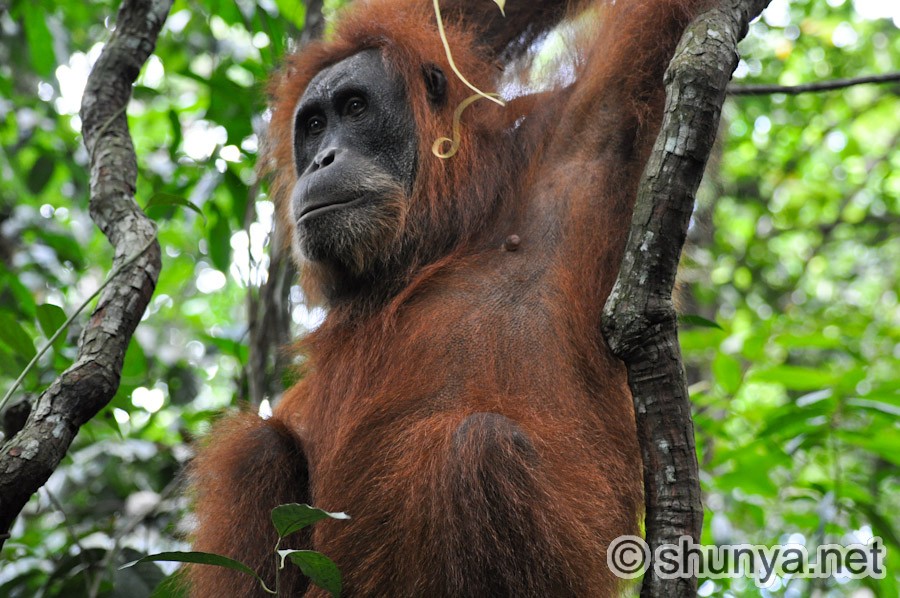
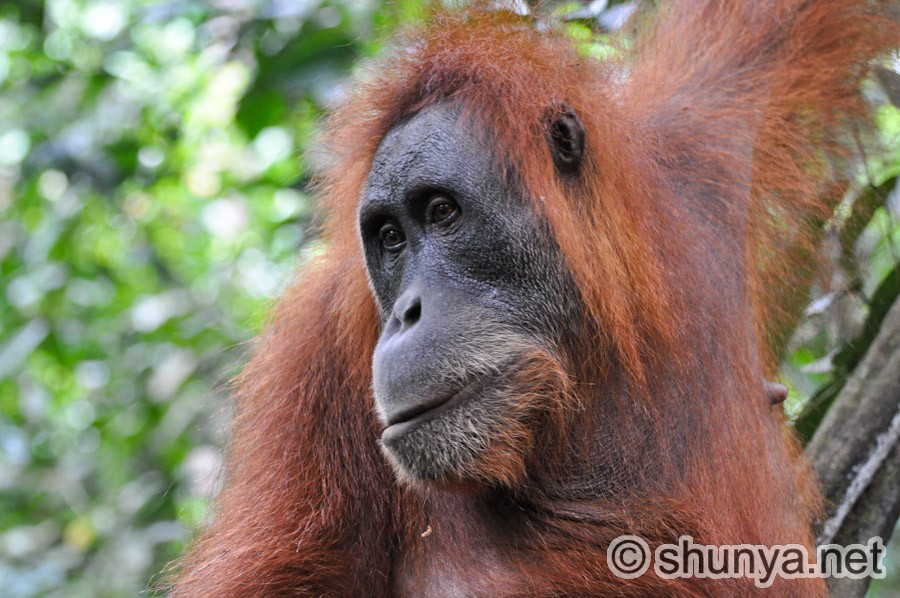
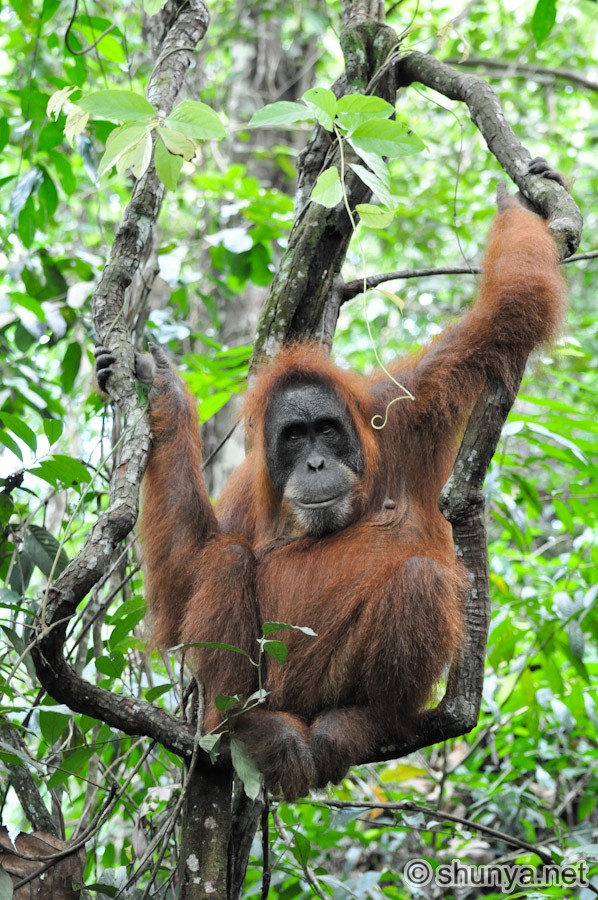
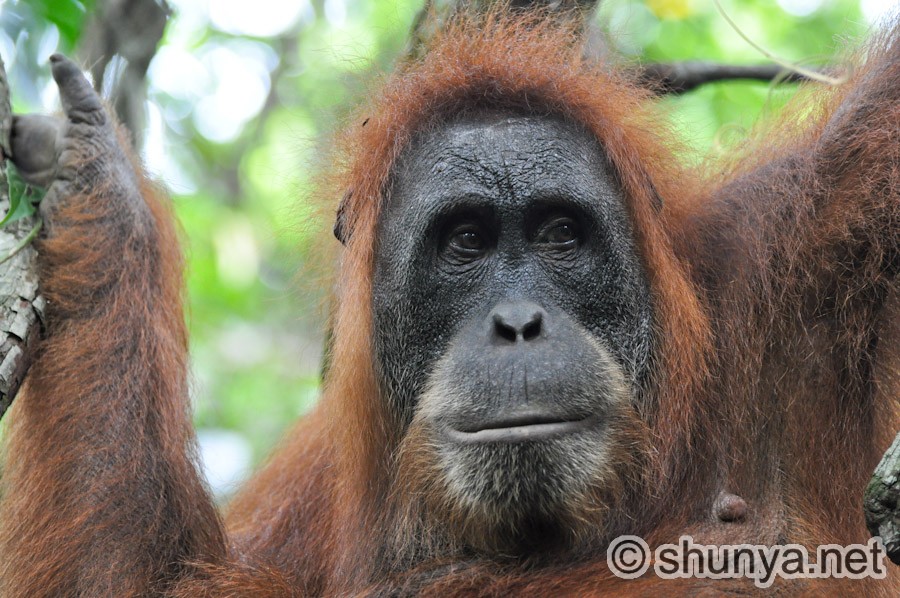
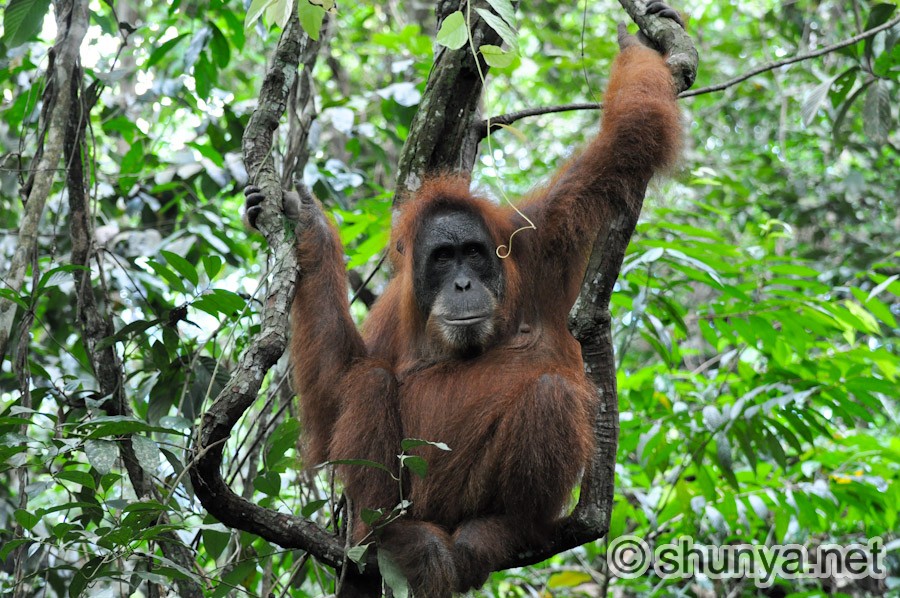
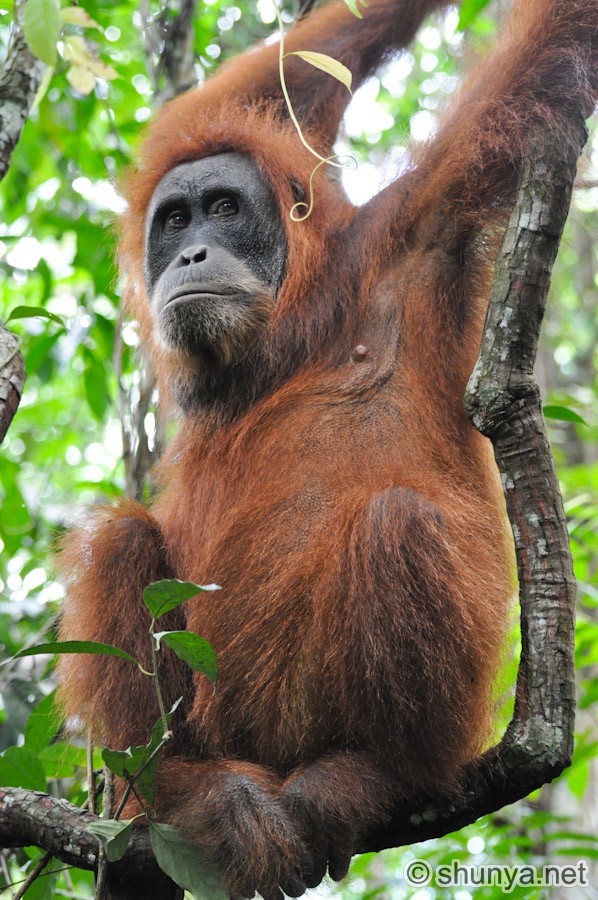
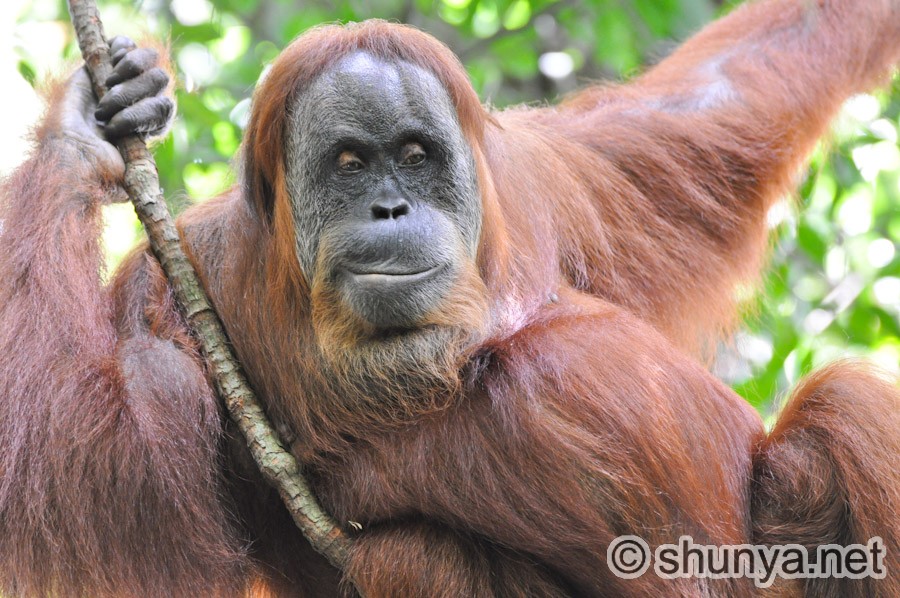
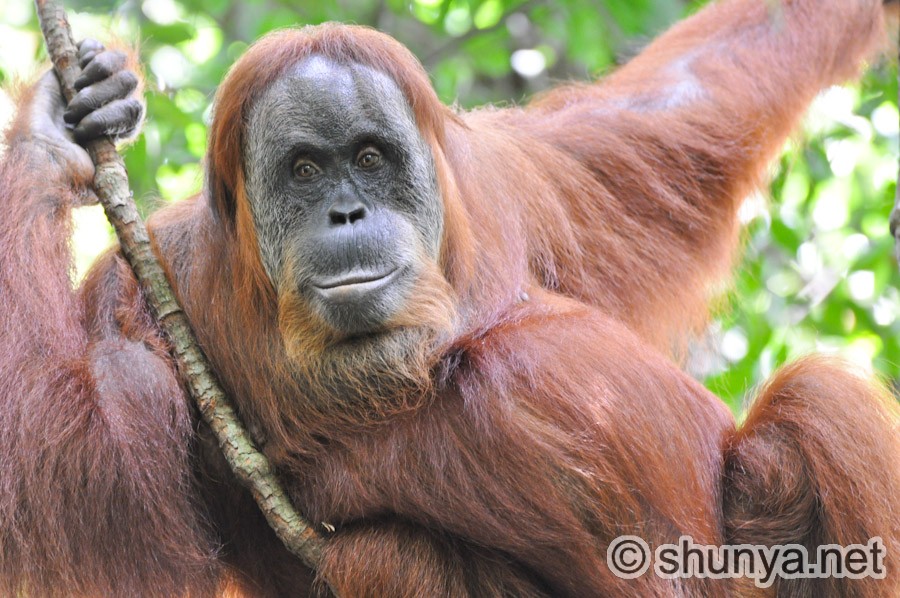
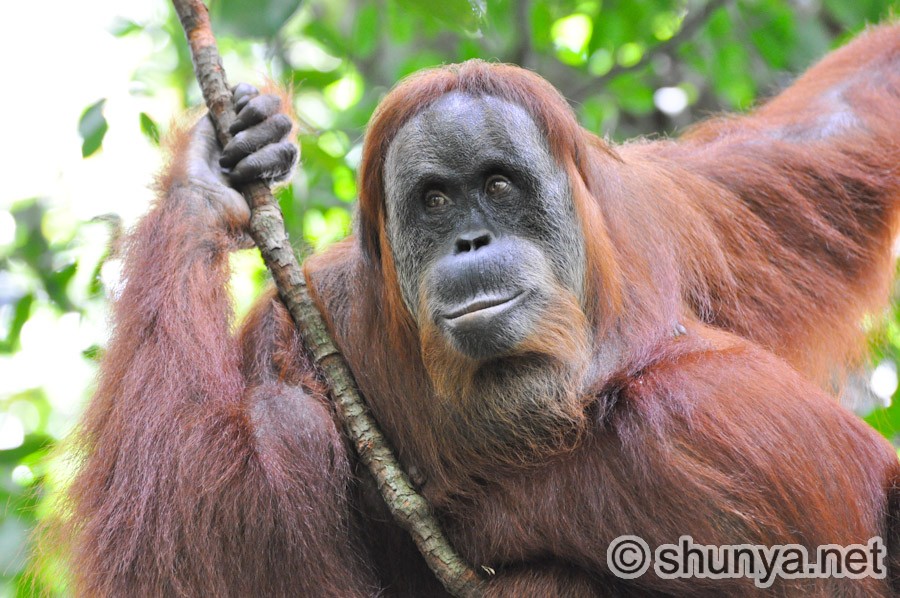
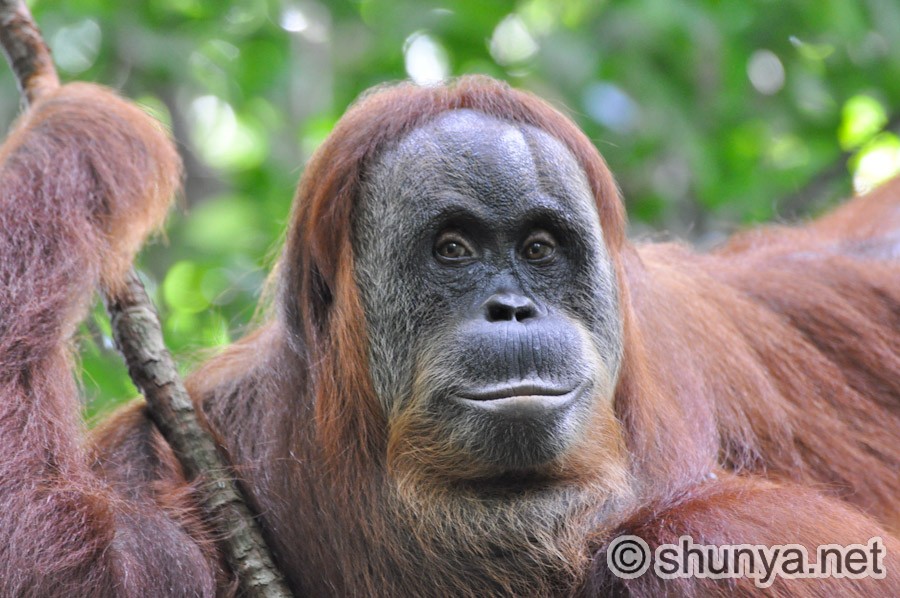
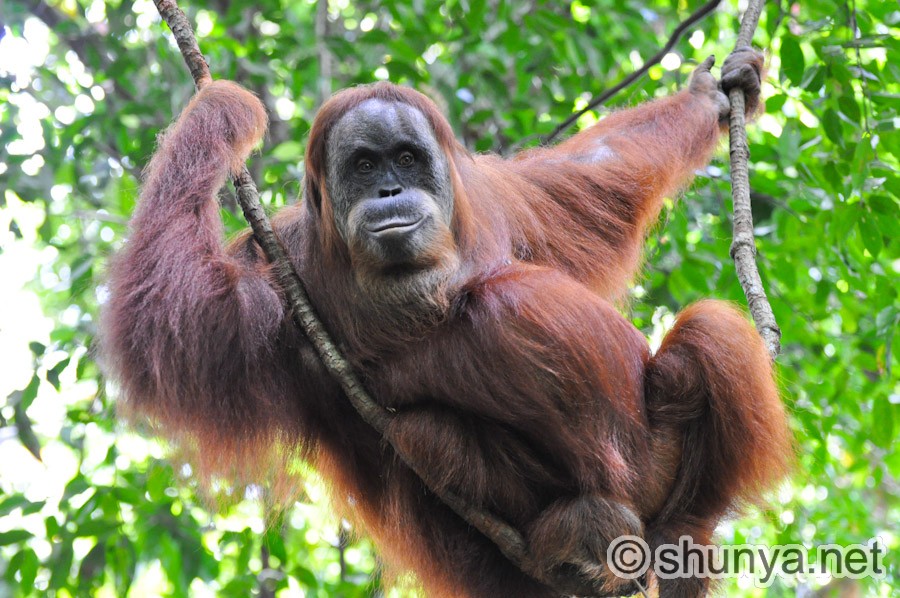
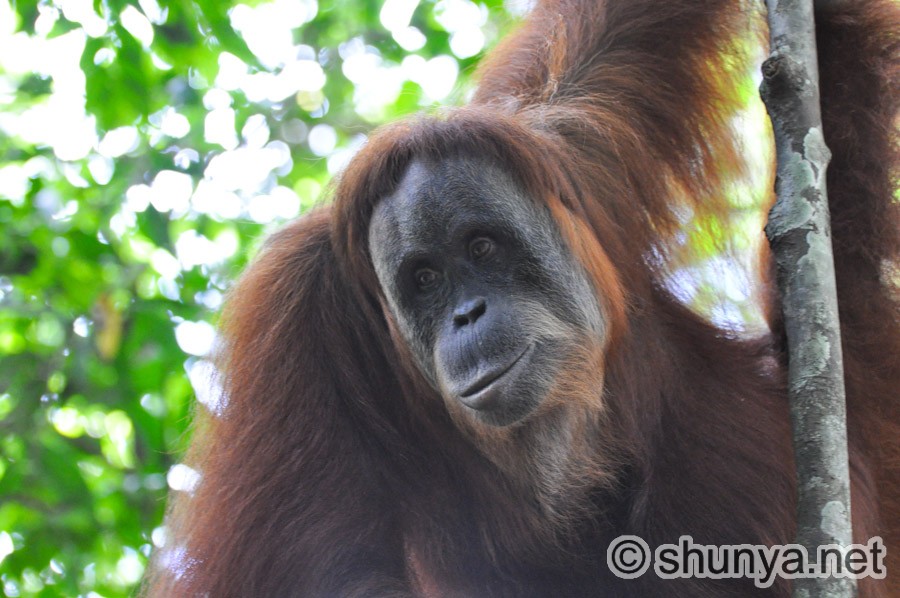
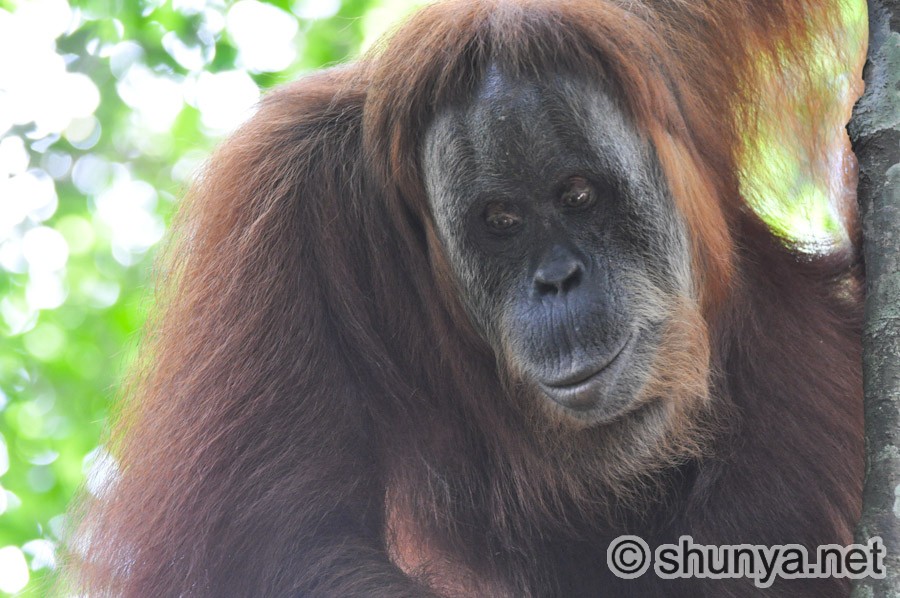
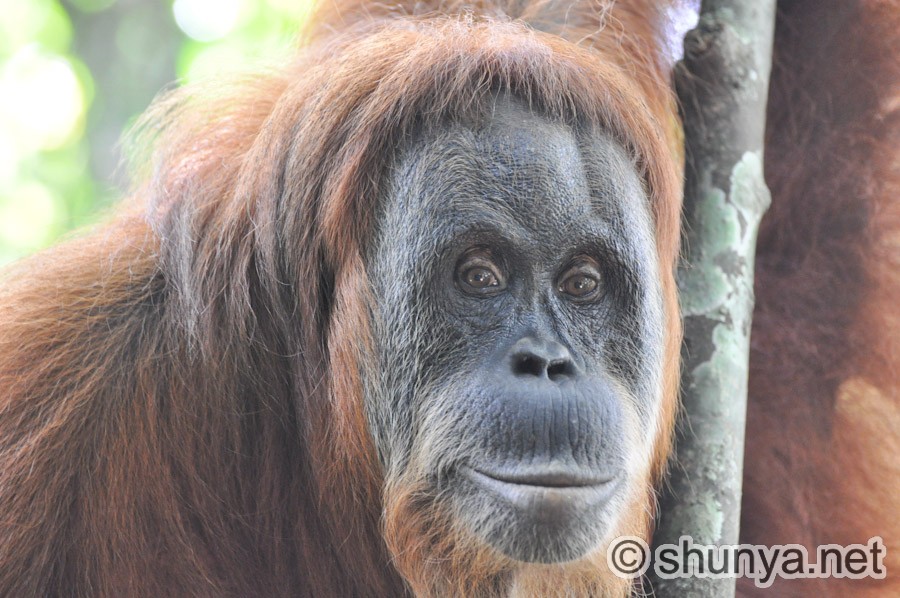
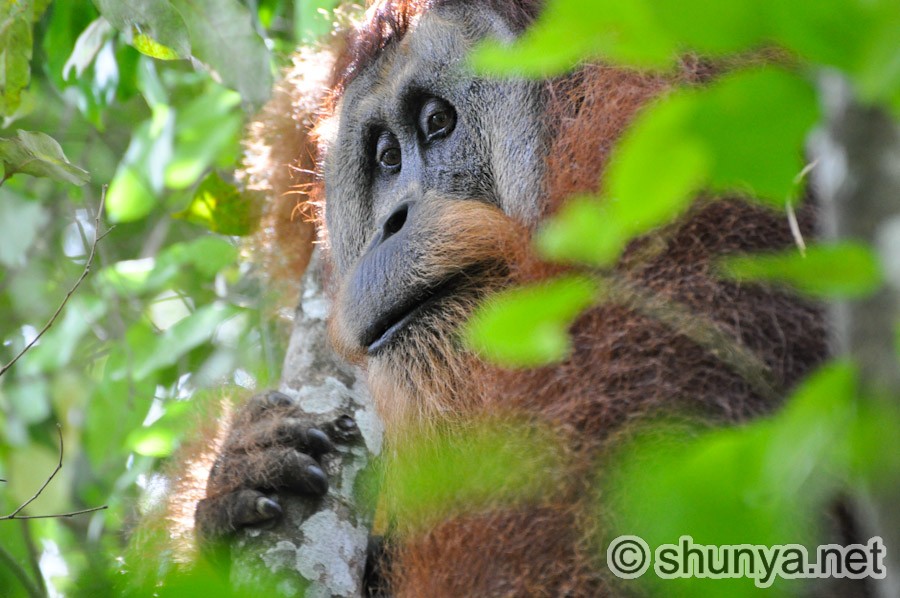
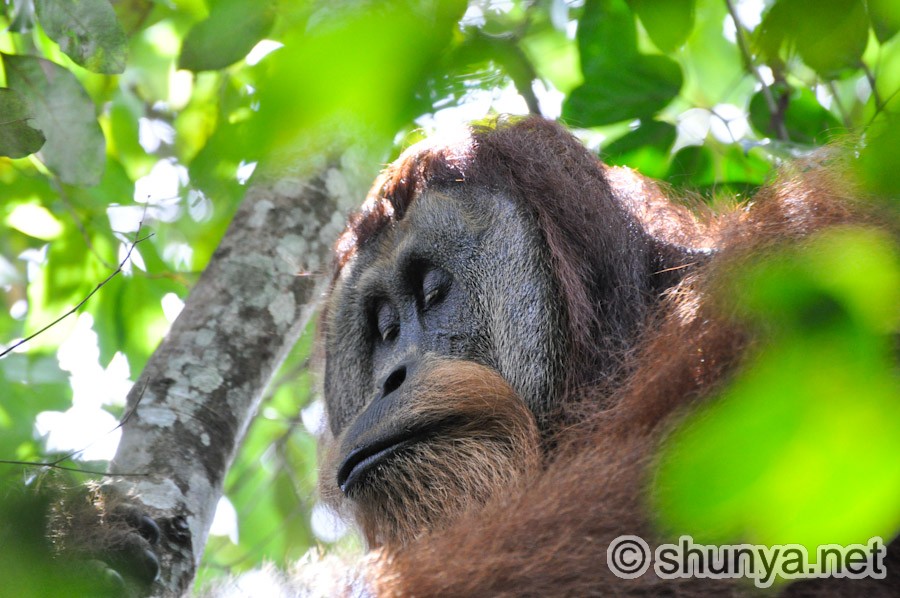
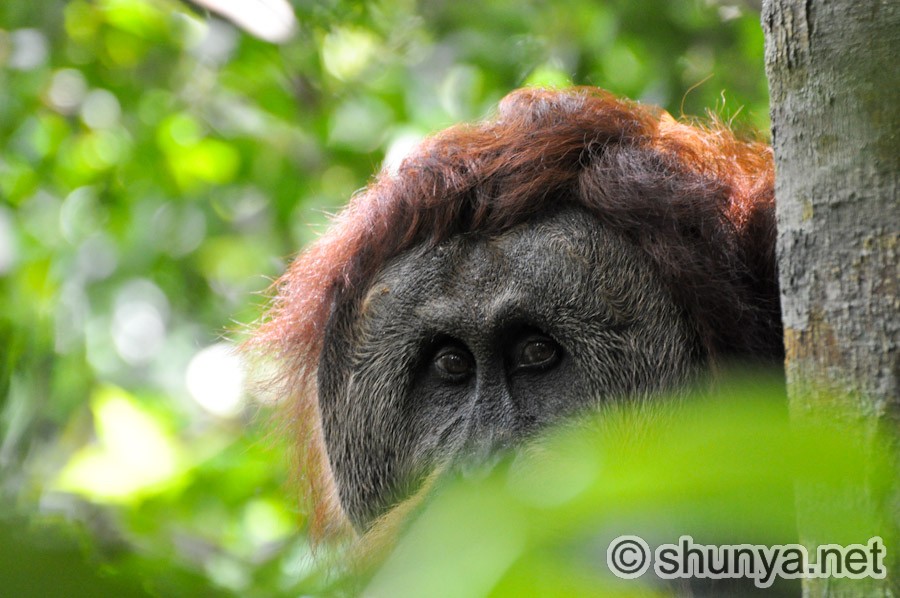
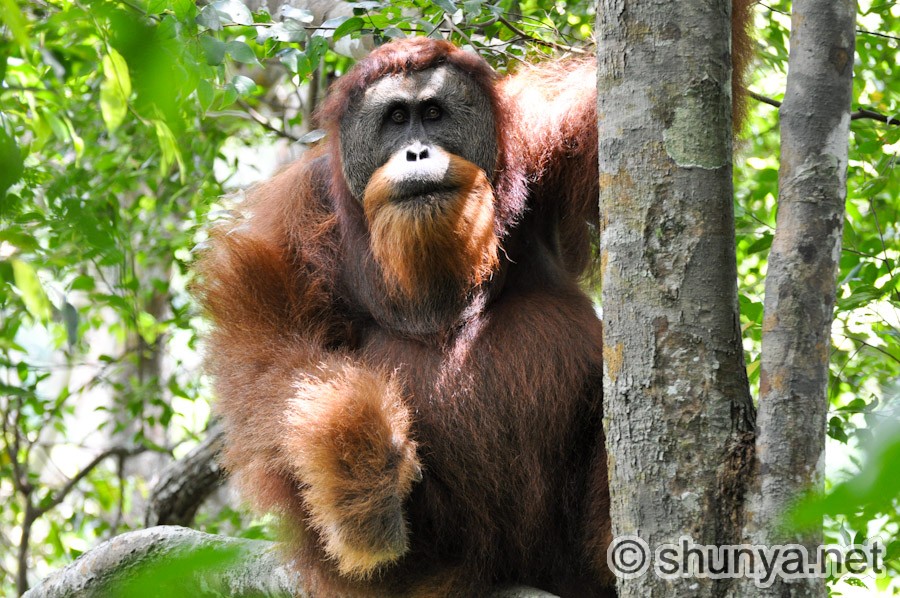
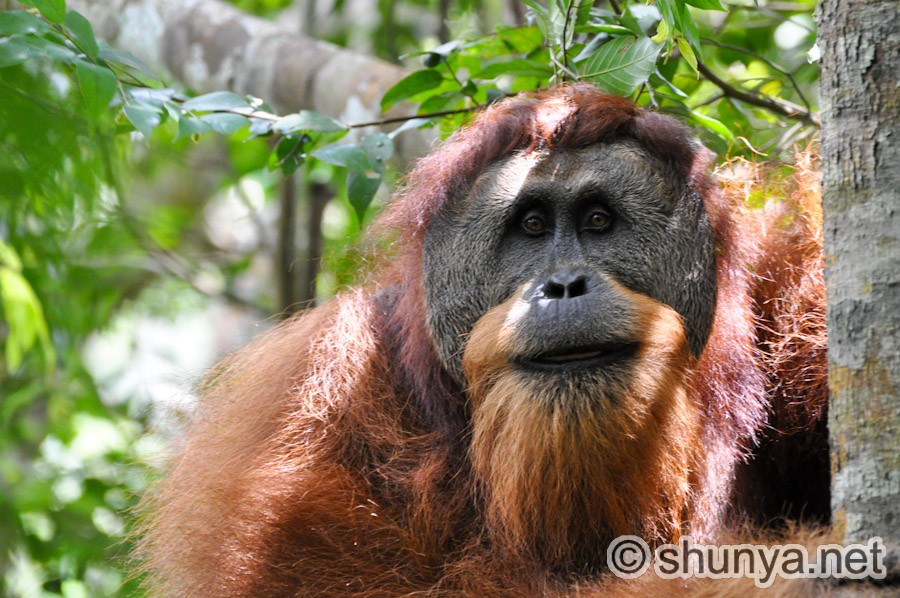
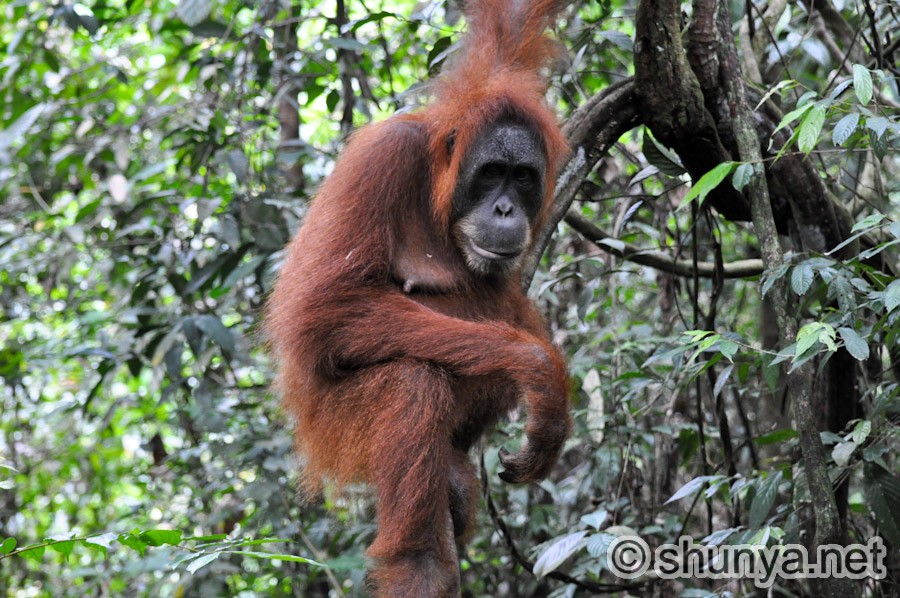
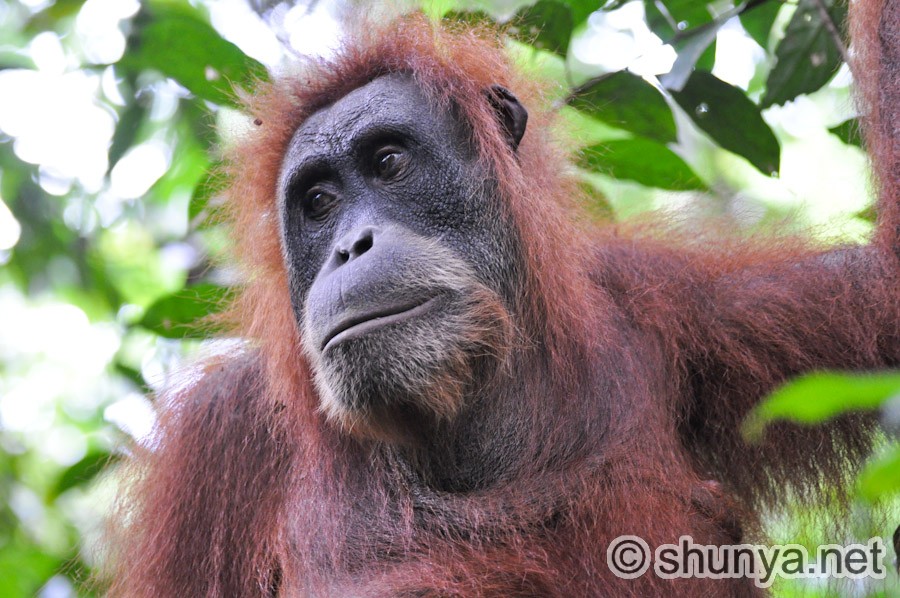
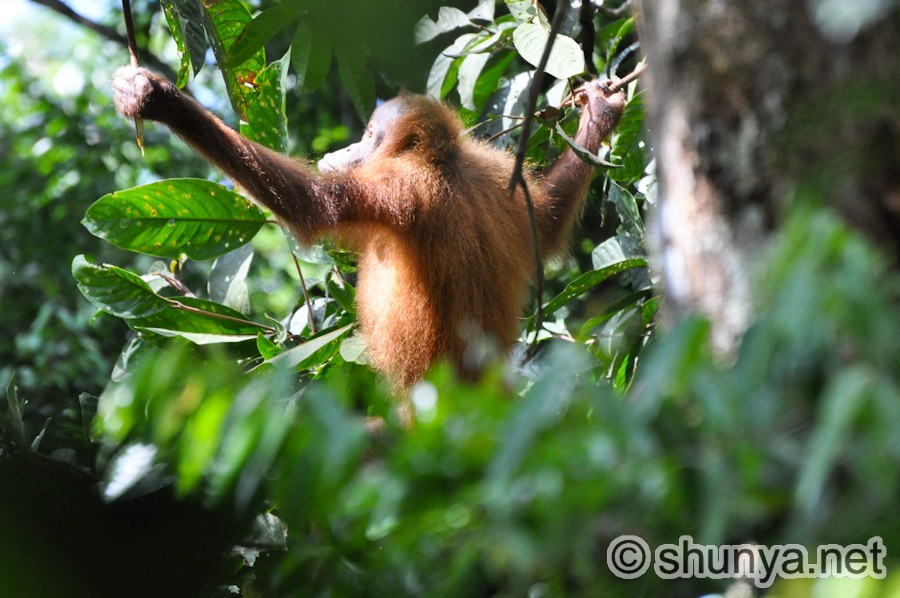
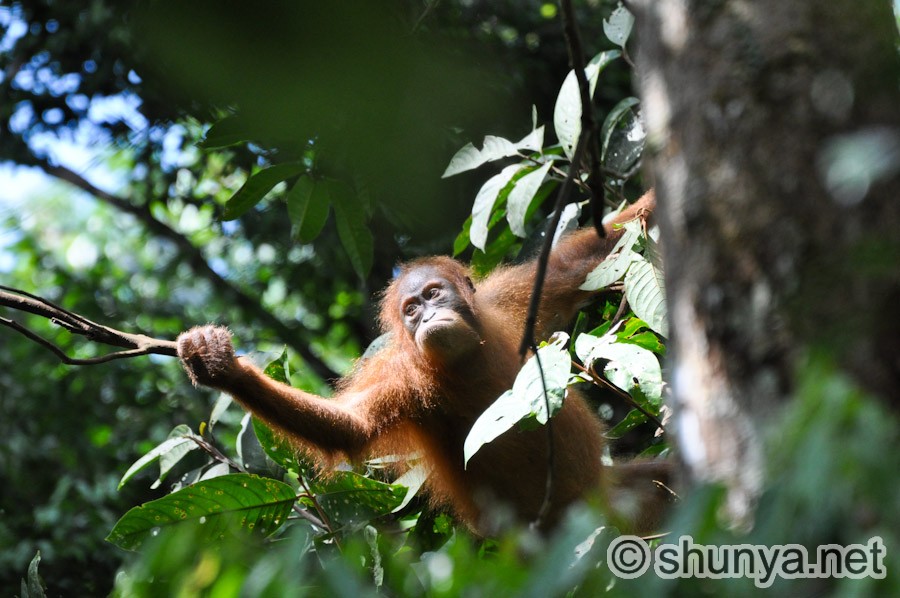
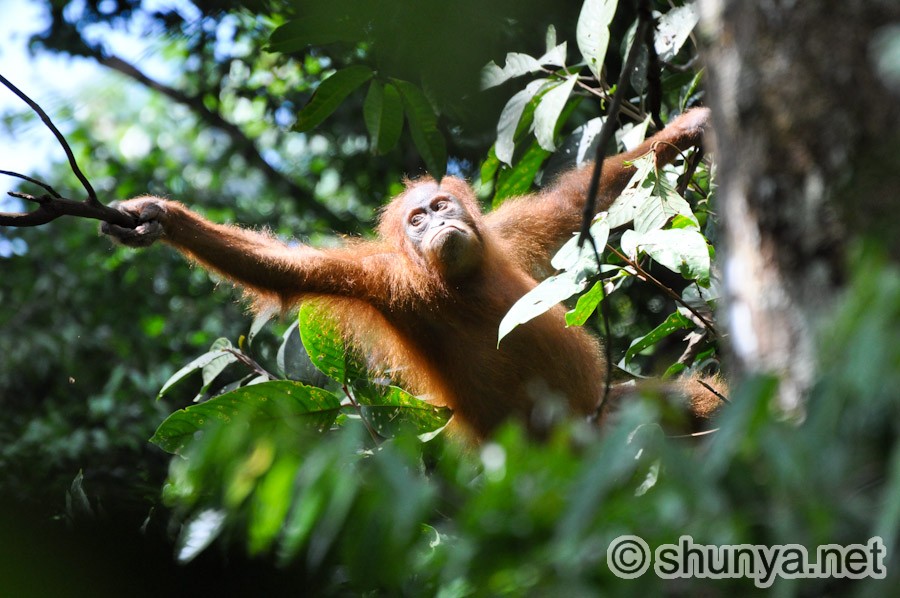
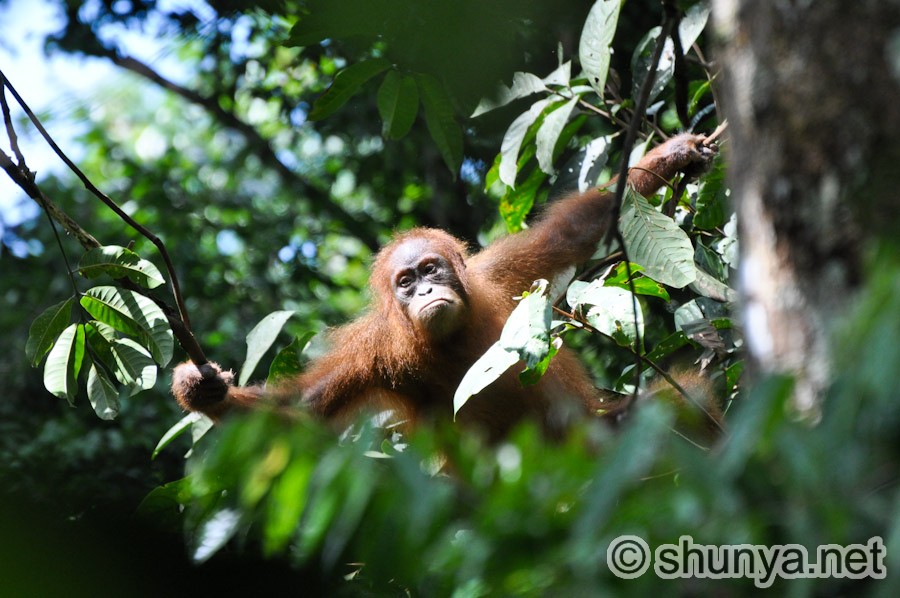
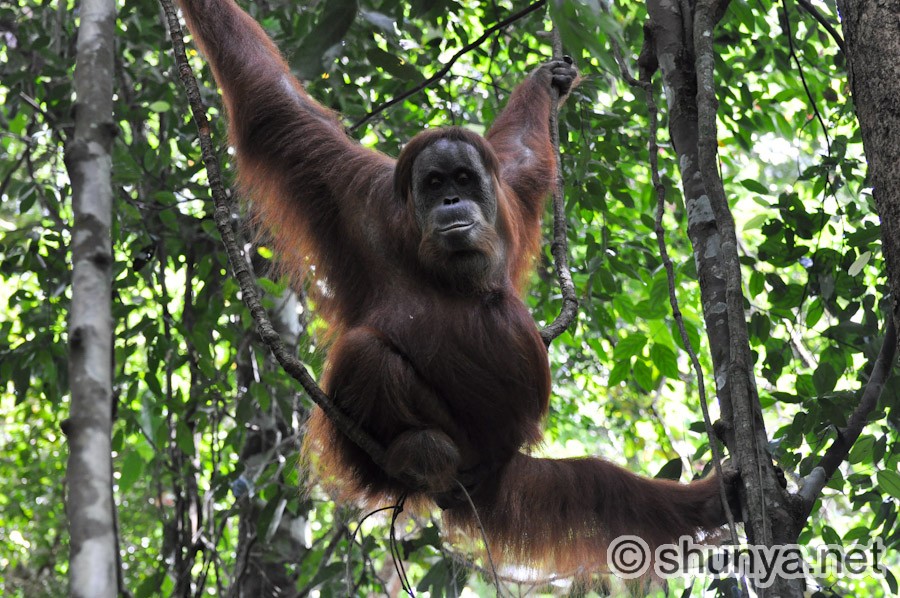
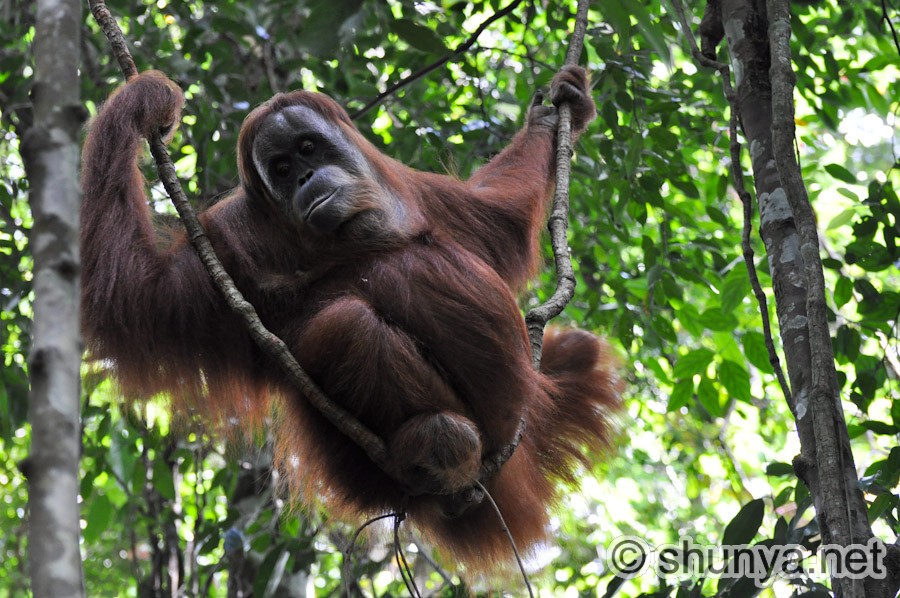
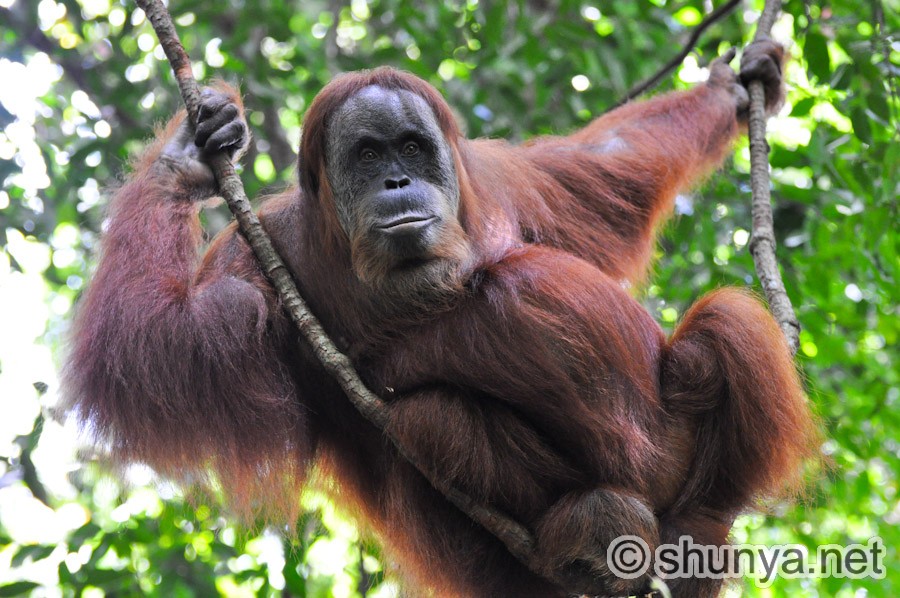
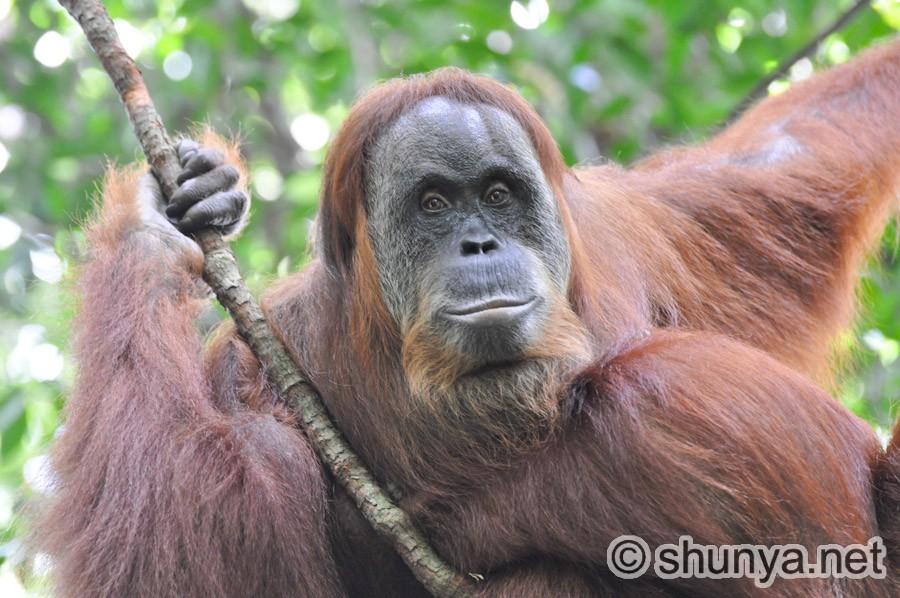
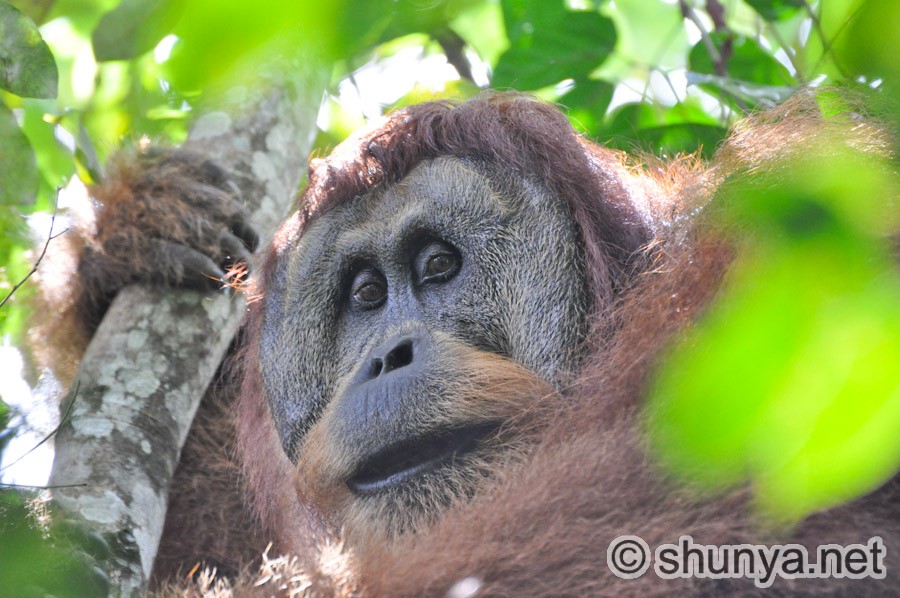
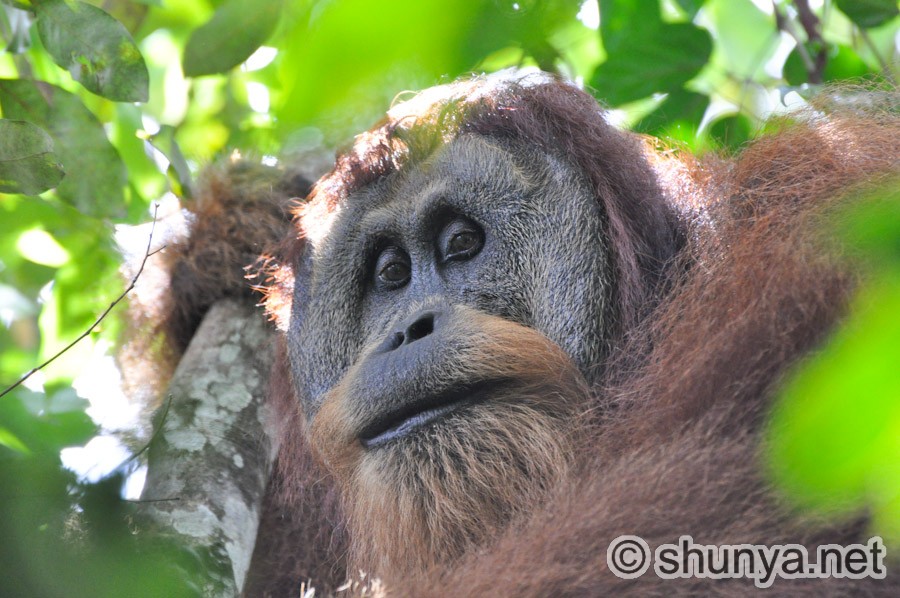
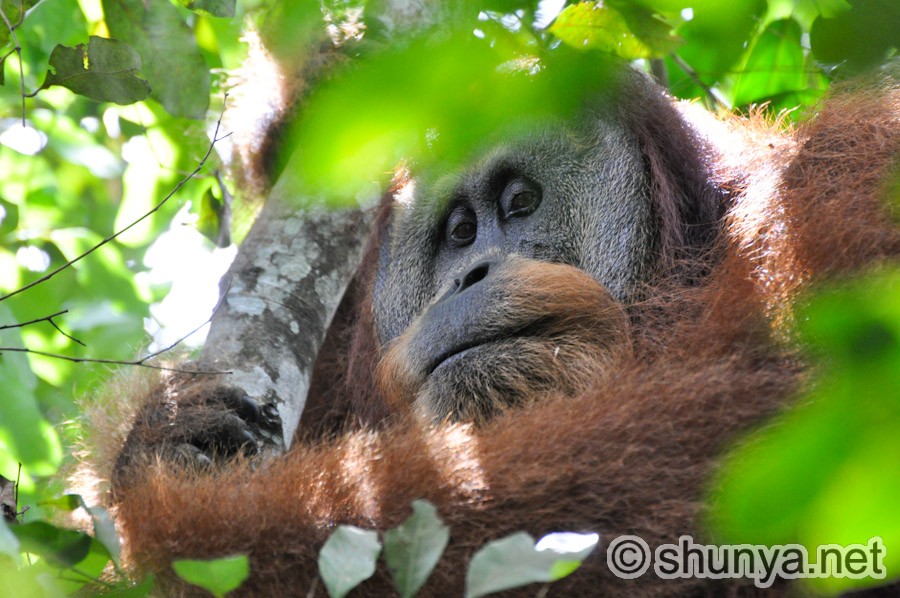
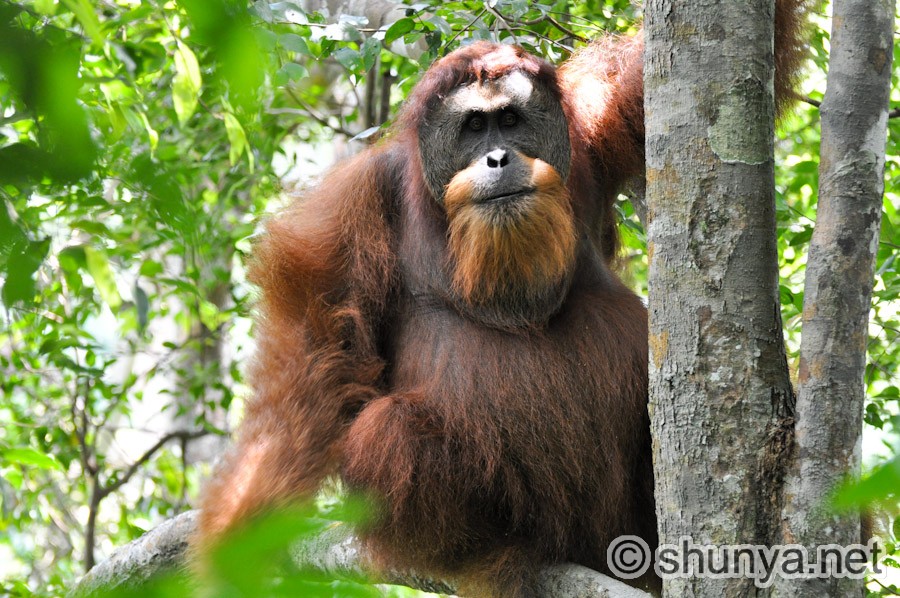
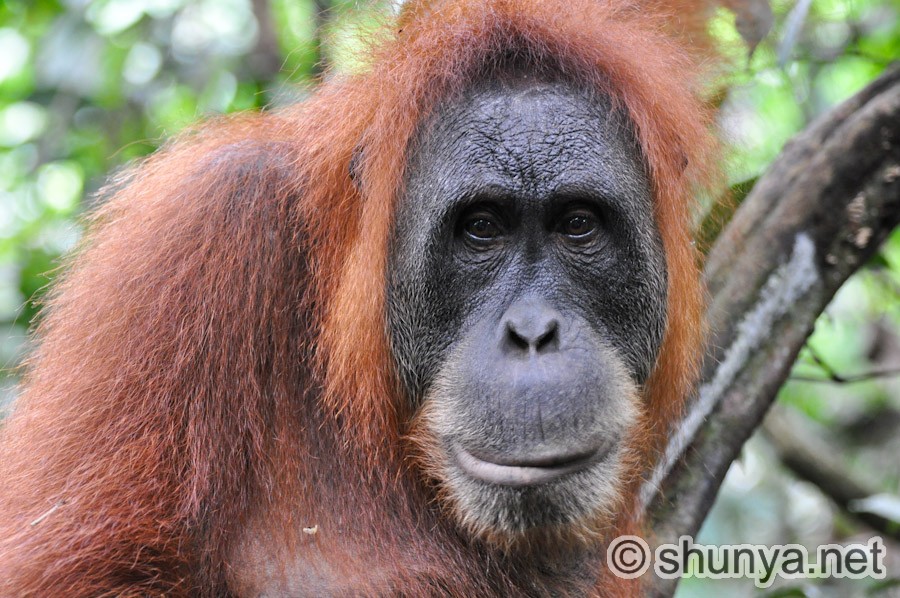
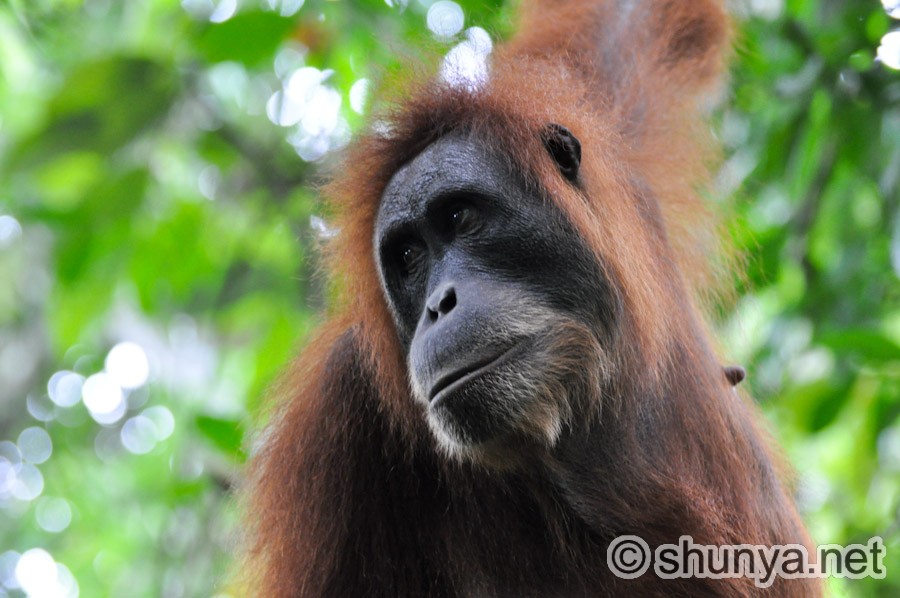
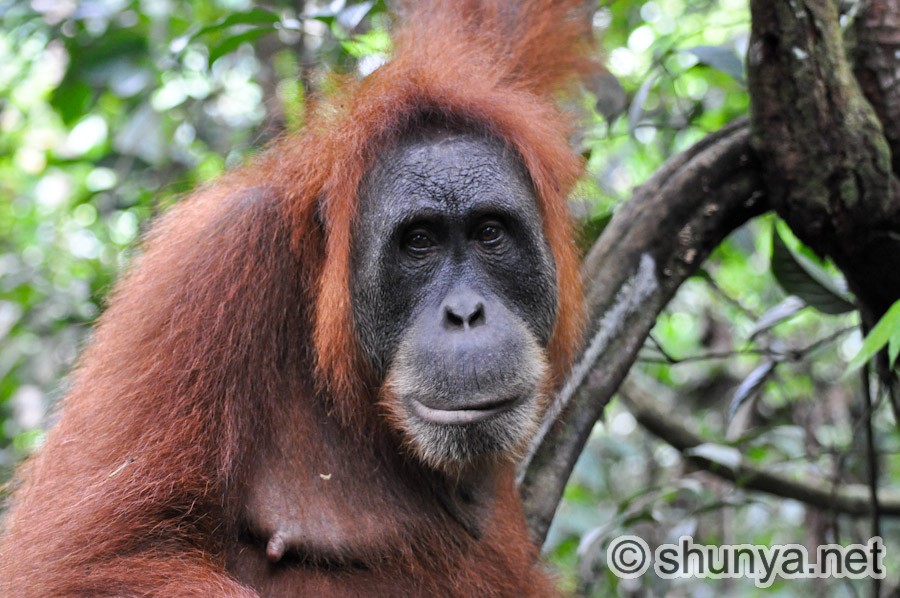
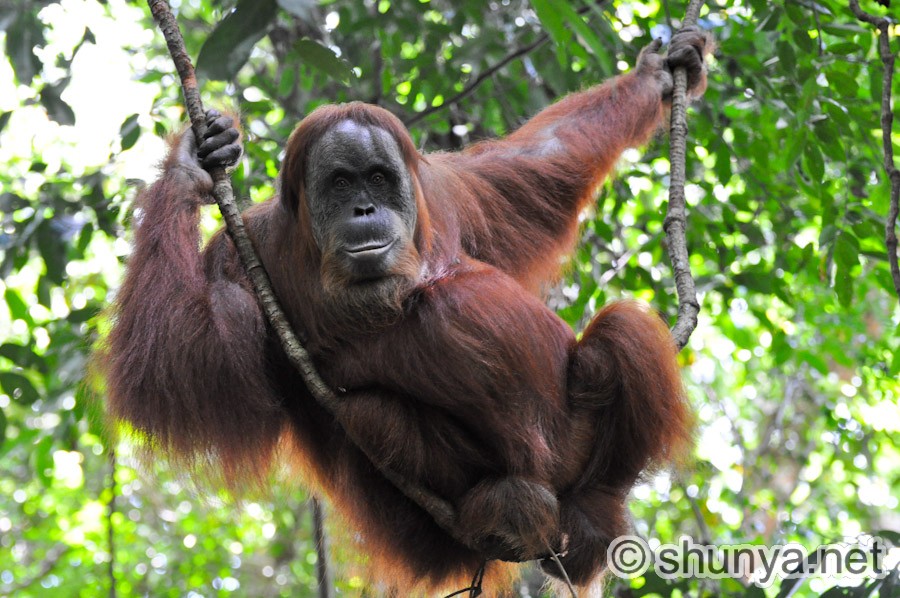
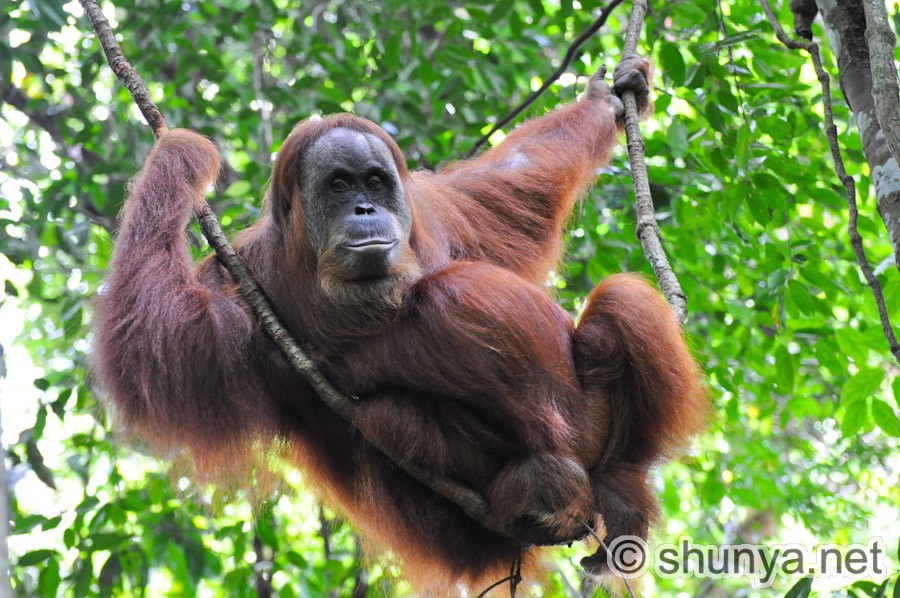
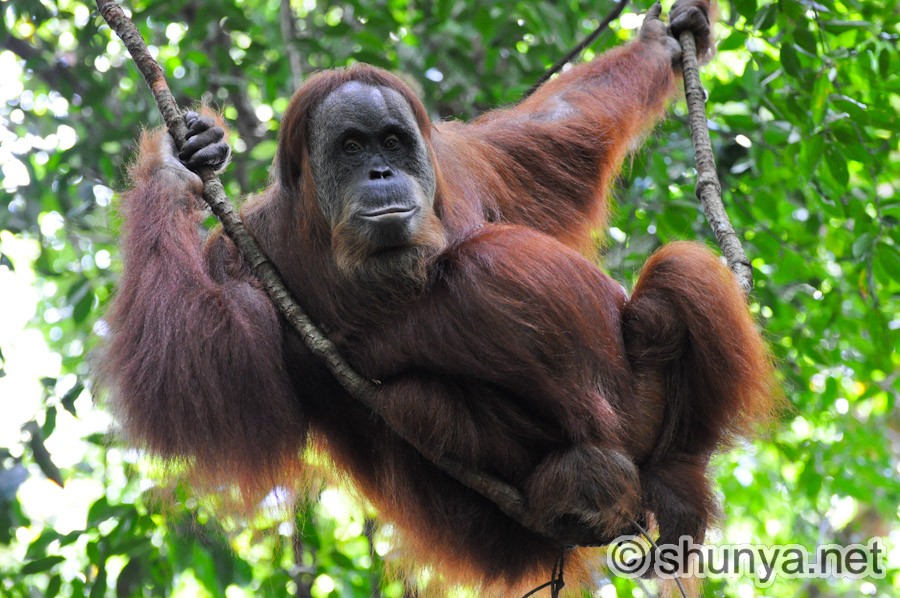
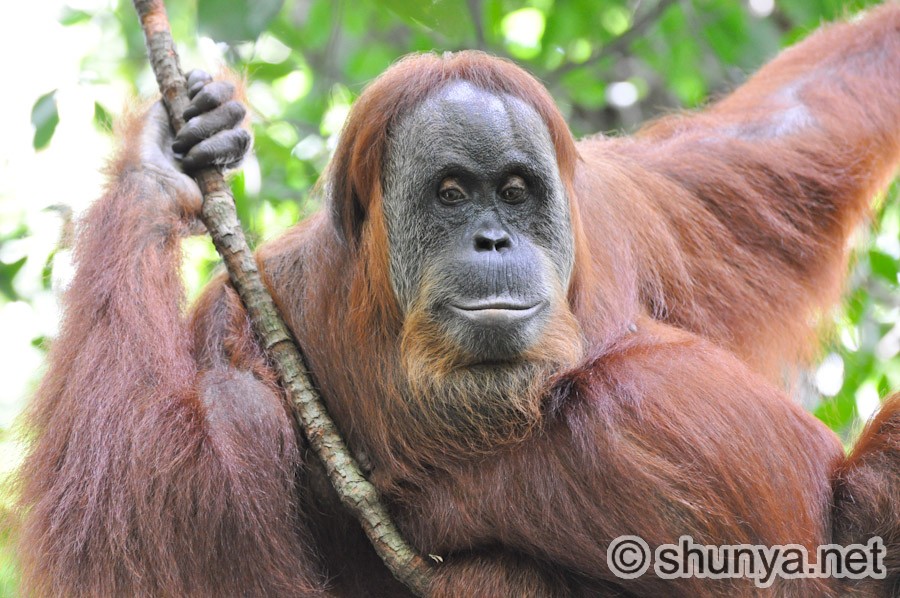
Orangutan (“person of the forest”), the only Asian great ape, is found in lowland rainforests on the Southeast Asian islands of Sumatra and Borneo. The orangutan possesses cognitive abilities comparable to those of the gorilla and the chimpanzee, which are the only primates more closely related to humans. The orangutan is not as powerfully built as the gorilla but is larger than the chimpanzee. The adult male is typically twice the size of the female and may attain a height of 1.3 metres (4.3 feet) and a weight of 130 kg (285 pounds) in the wild; females weigh 37 kg or less. Older males develop wide cheek pads, a unique feature among primates. The typically dark tan or brownish skin is covered with relatively coarse and usually sparse red hair. Adult males and some older adult females may have partially or entirely bare backs, but the hair on a male can be so long as to look like a cape when he moves his arms. Orangutans are the largest arboreal animals, spending more than 90 percent of their waking hours in the trees. During the day most of their time is divided equally between resting and feeding. Orangutans are predominantly ripe-fruit eaters, although they consume more than 400 different types of food, including invertebrates and, on rare and opportunistic occasions, meat. Almost every night orangutans construct a sleeping platform in the trees by bending and breaking branches, leaves, and twigs. Unlike the African apes, orangutans frequently use vegetation to protect themselves from the rain. .. (more) |
|||
A big wild male Orangutan
|
|
|
(more)
|
 |
 |
 |
 |
|
 |
 |
 |
A semi-wild mother
|
|
|
|
|
 |
 |
|
 |
 |
 |
 |
 |
 |
 |
 |
 |
 |
 |
 |
|
|
|
|
|
A pregnant semi-wild female
|
|
|
(more)
|
 |
 |
 |
 |
 |
 |
 |
 |
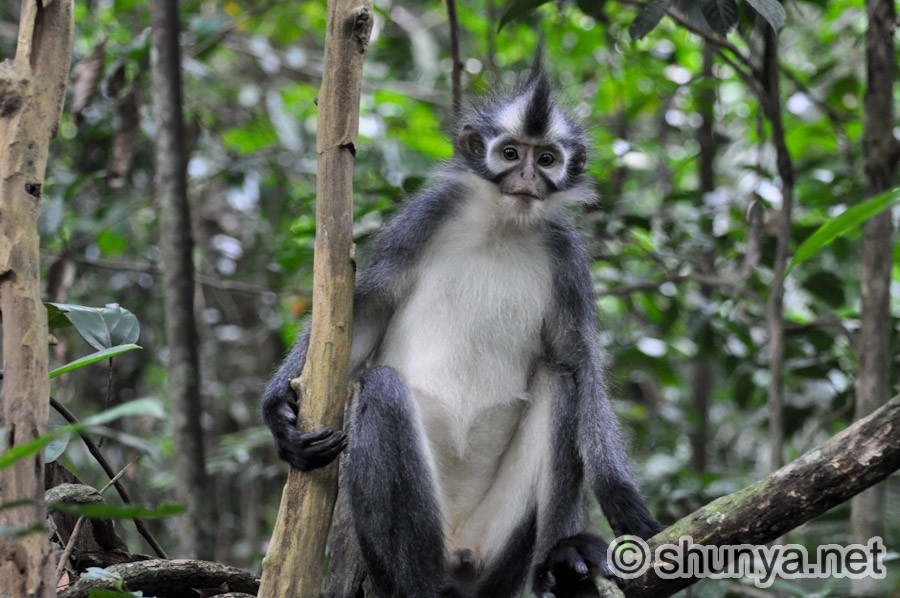
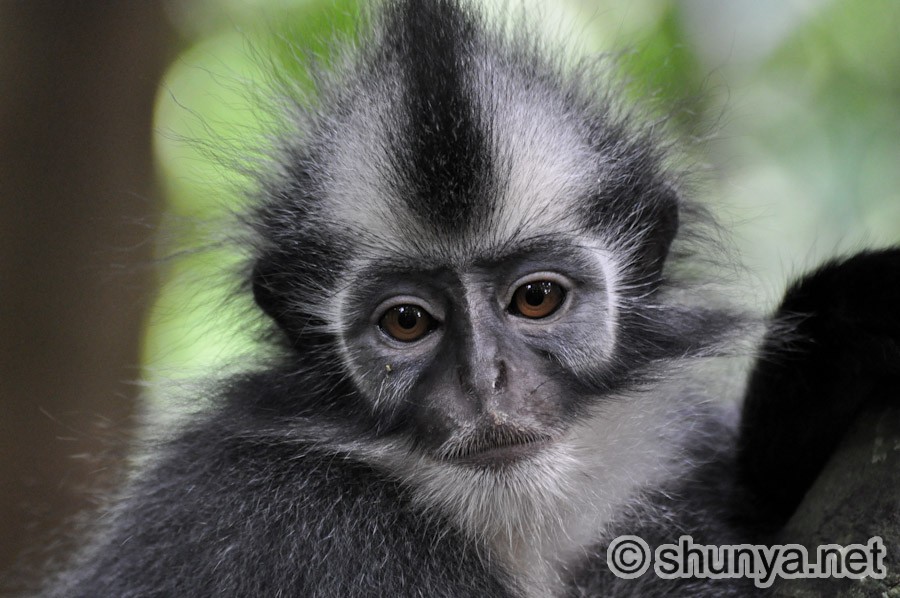
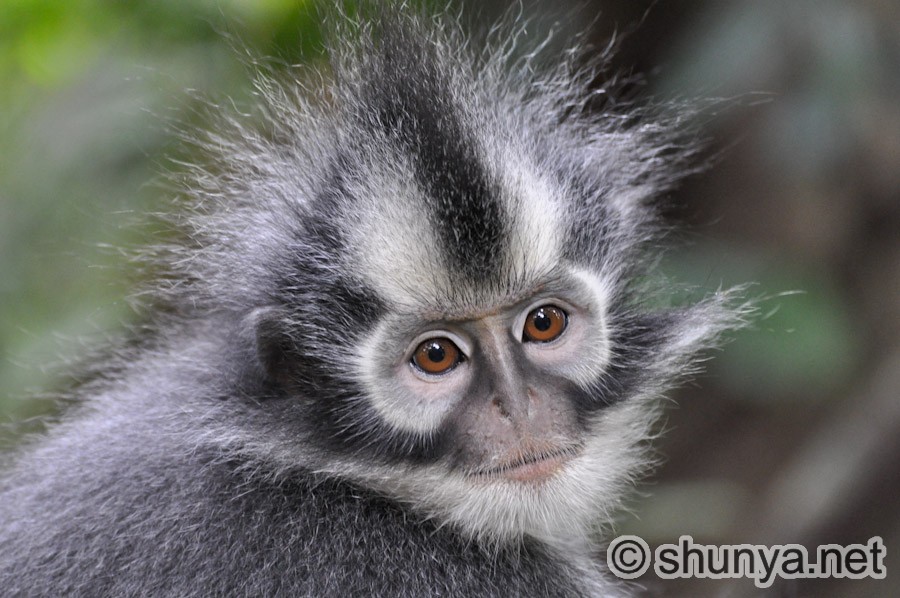
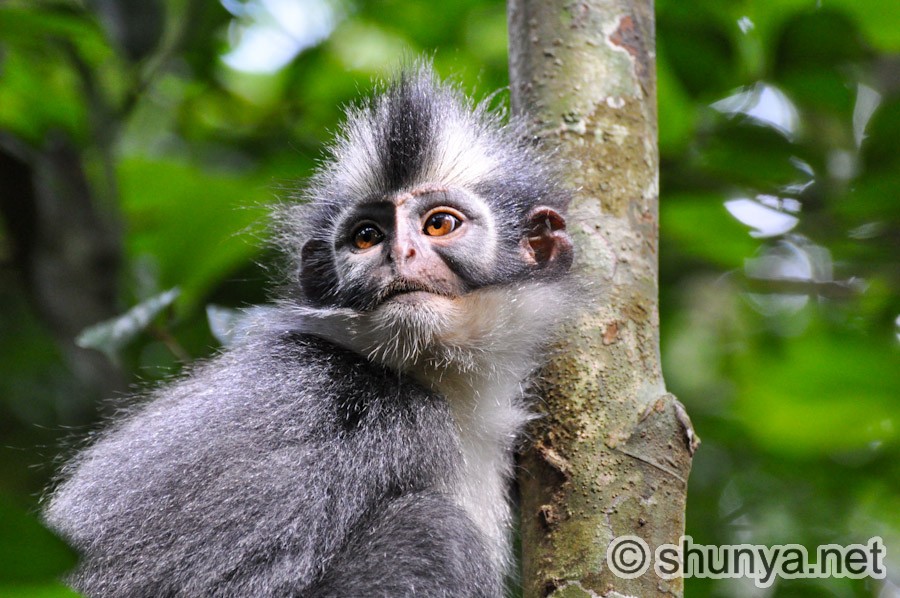
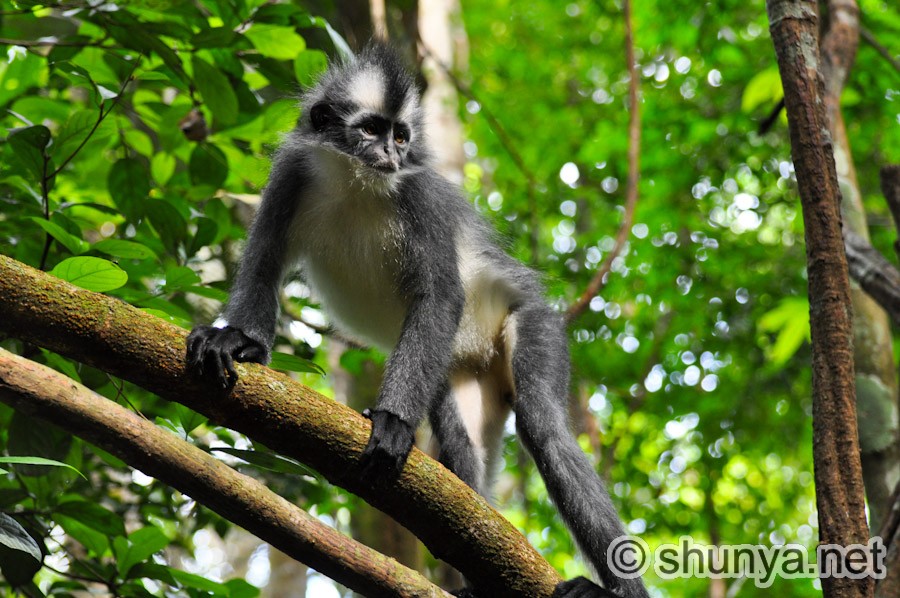
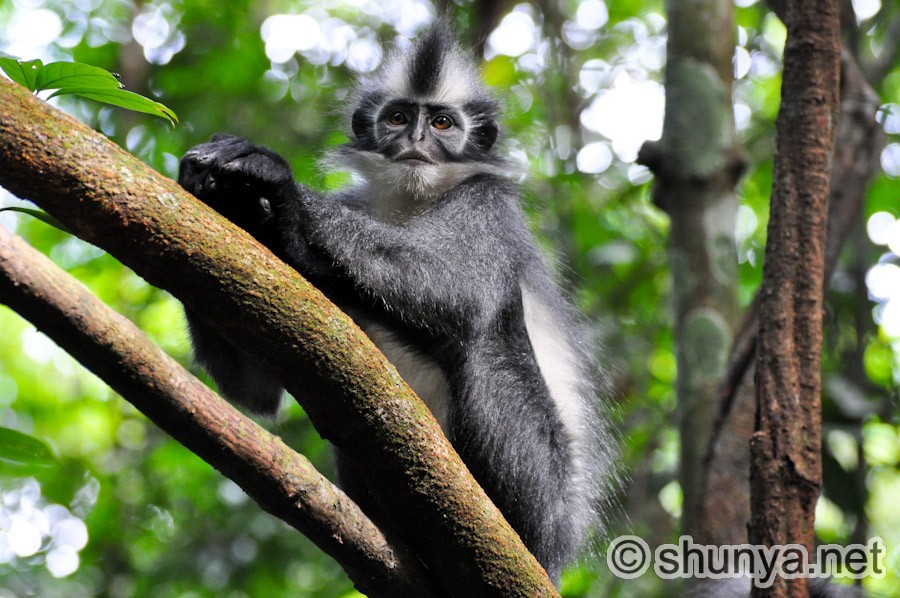
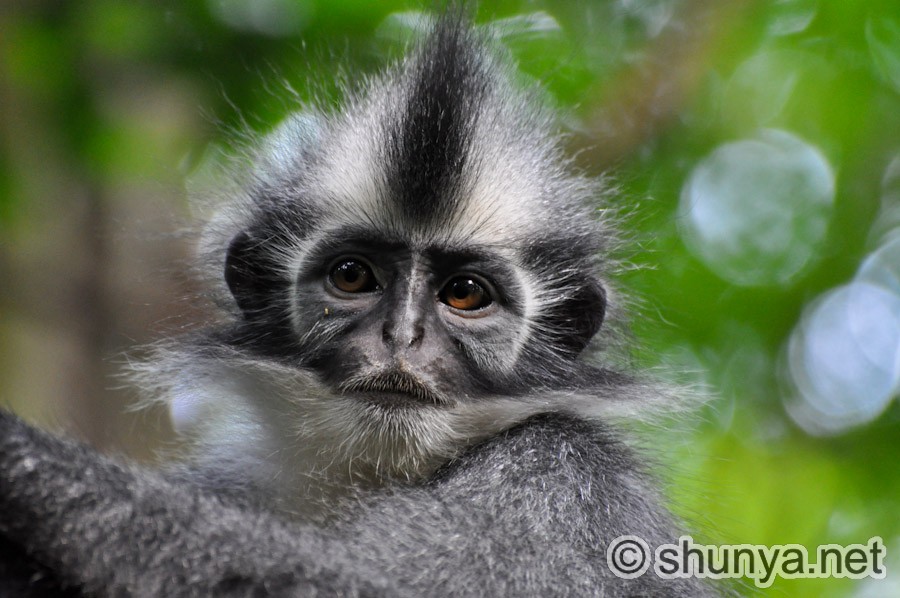
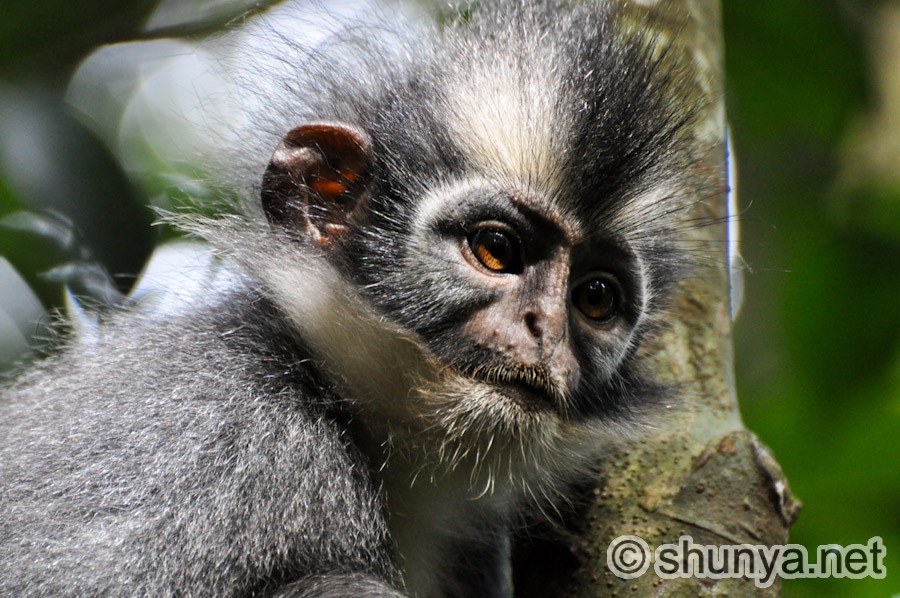
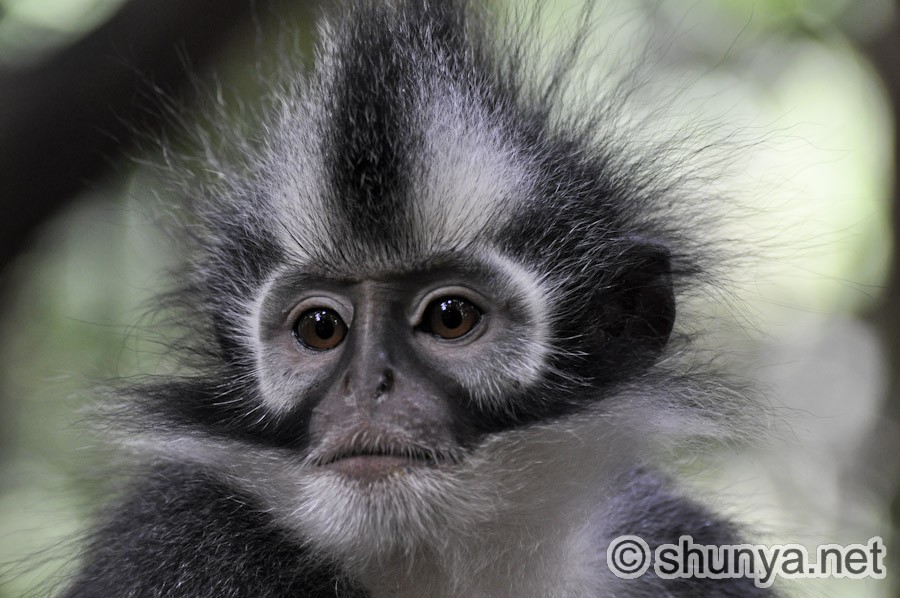
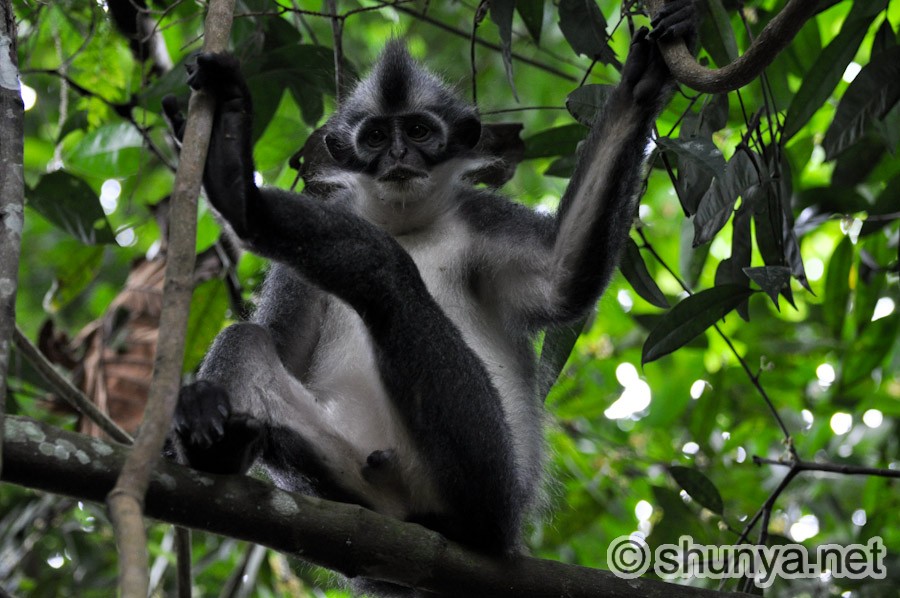
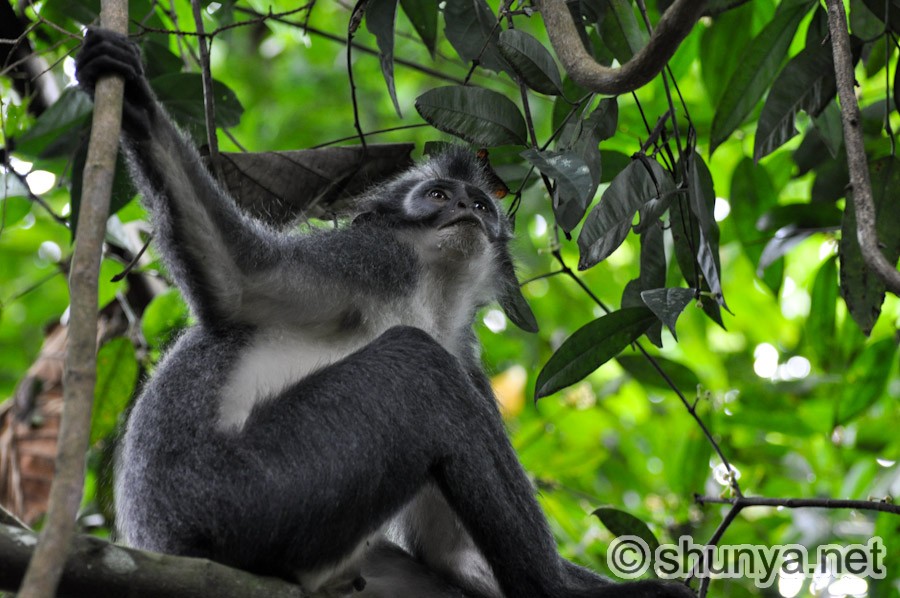
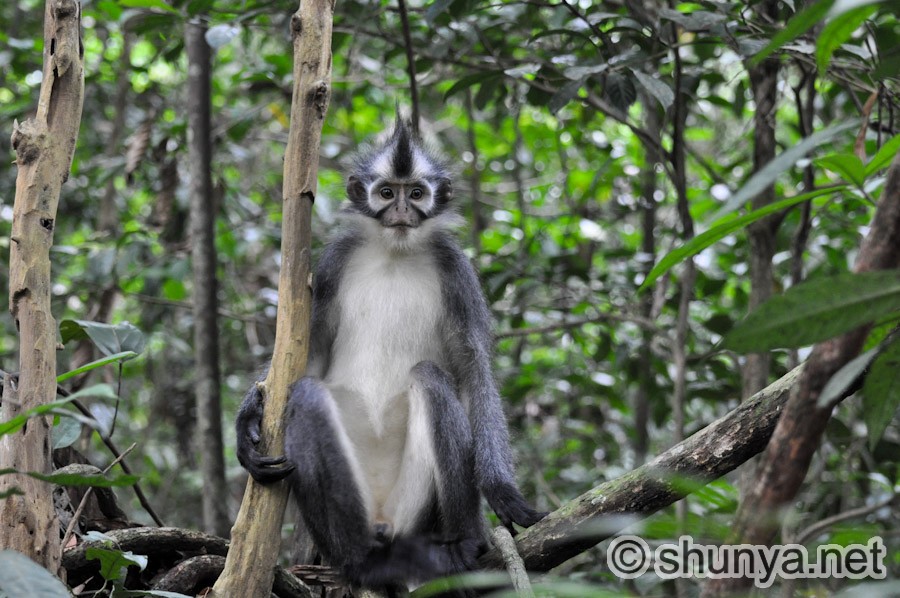
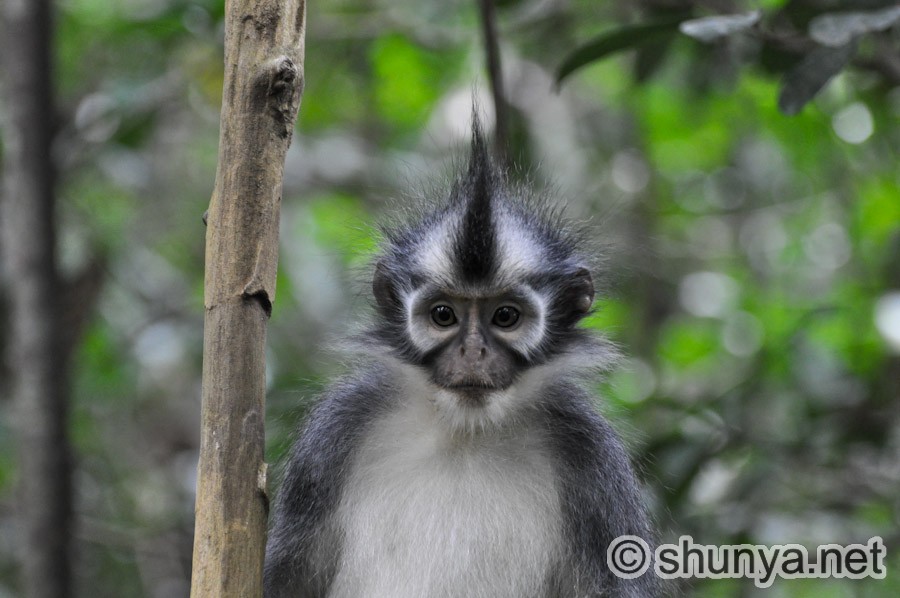
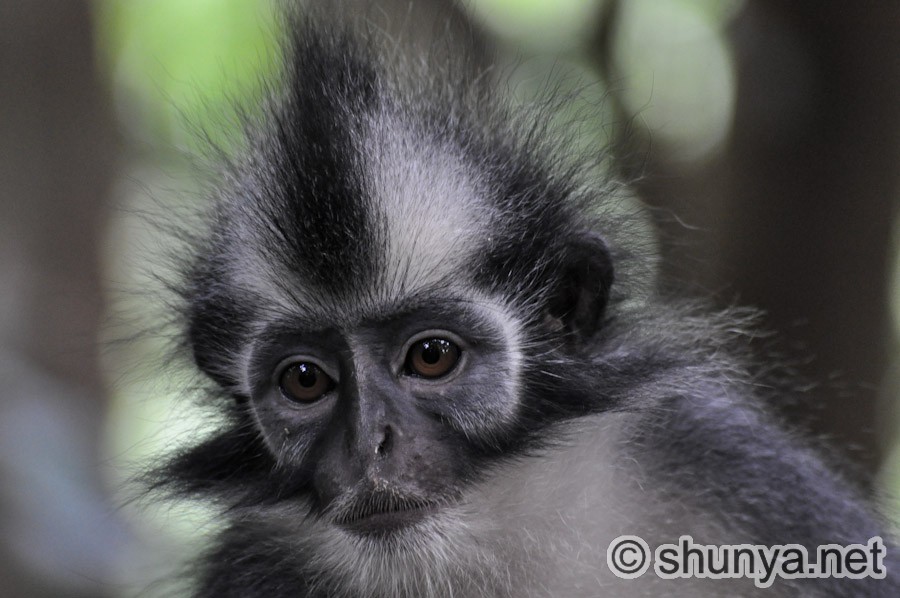
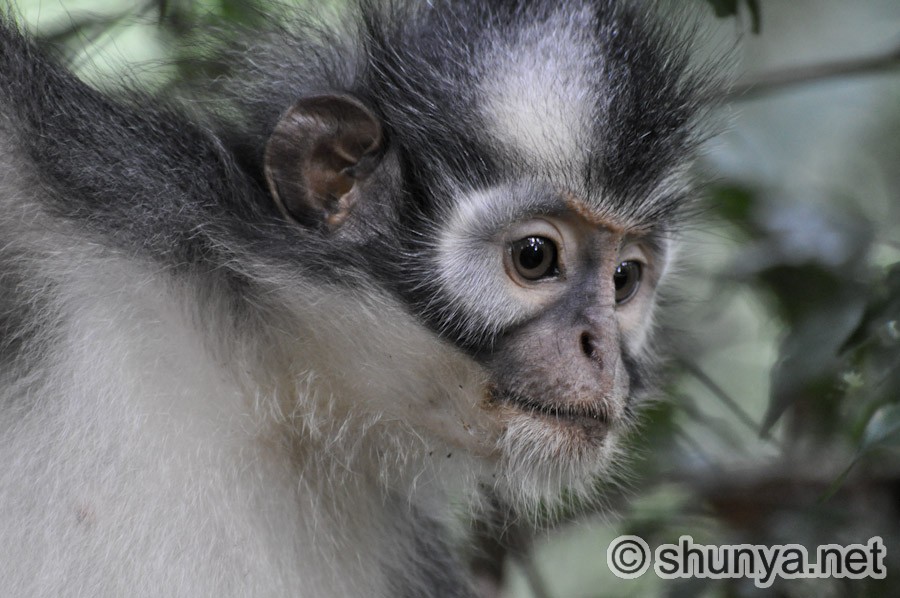
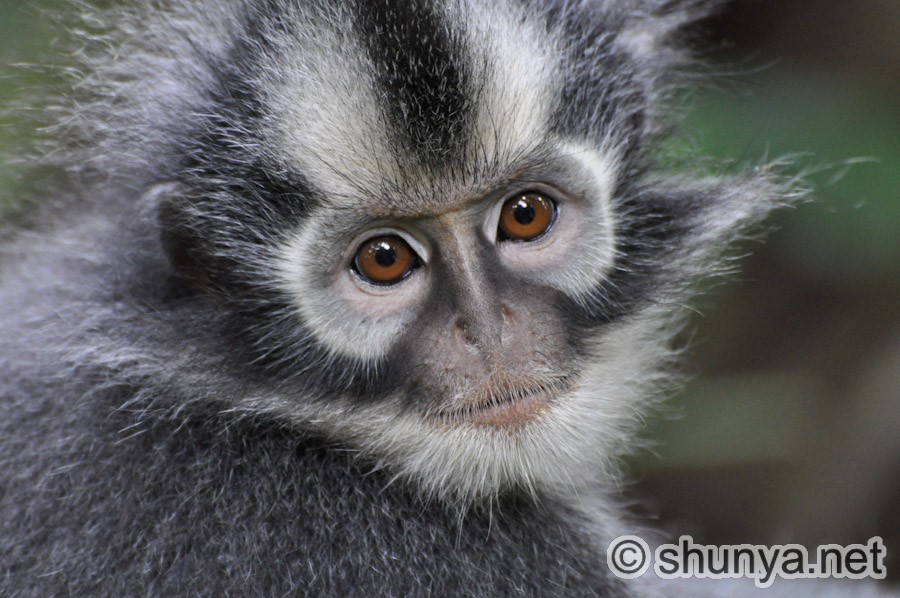
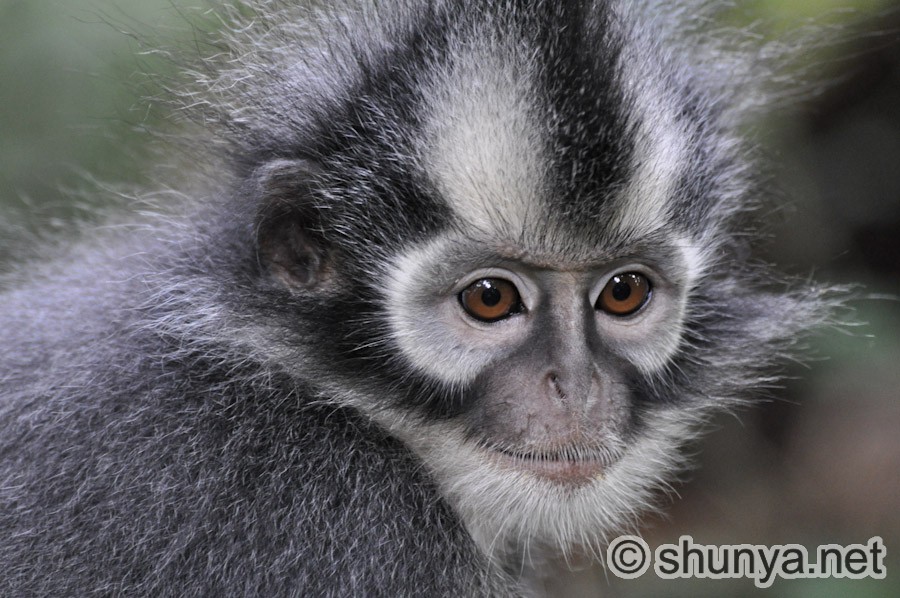
Thomas's Leaf-Monkeys |
|||
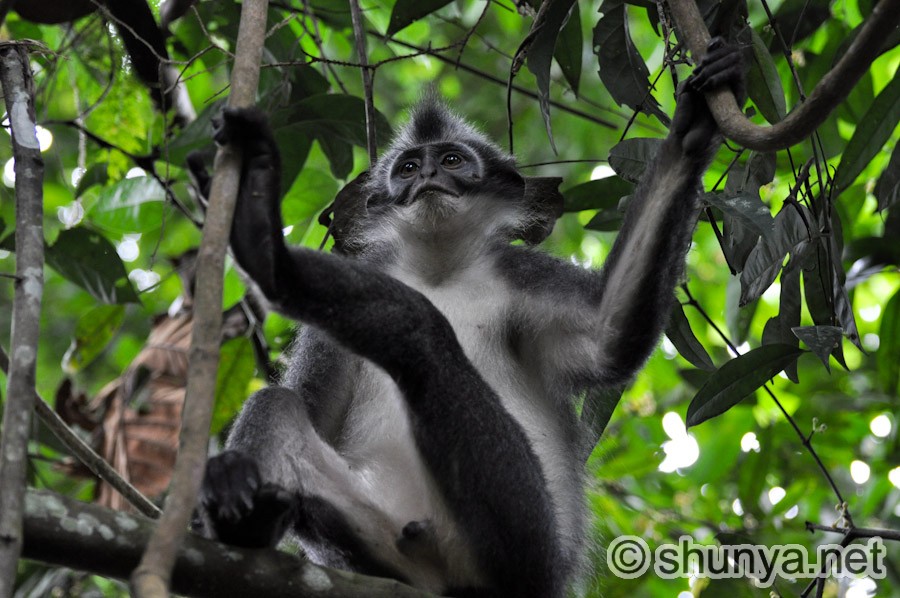
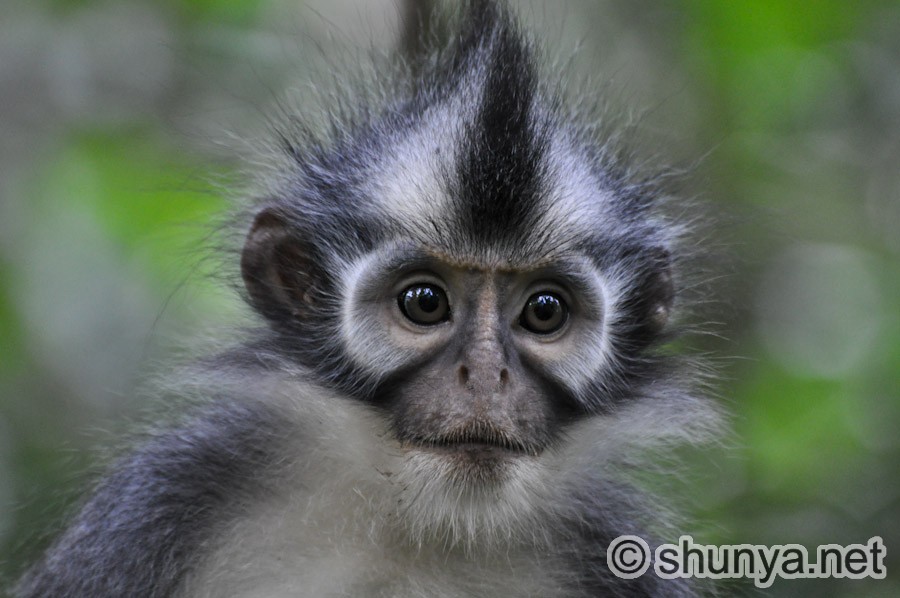
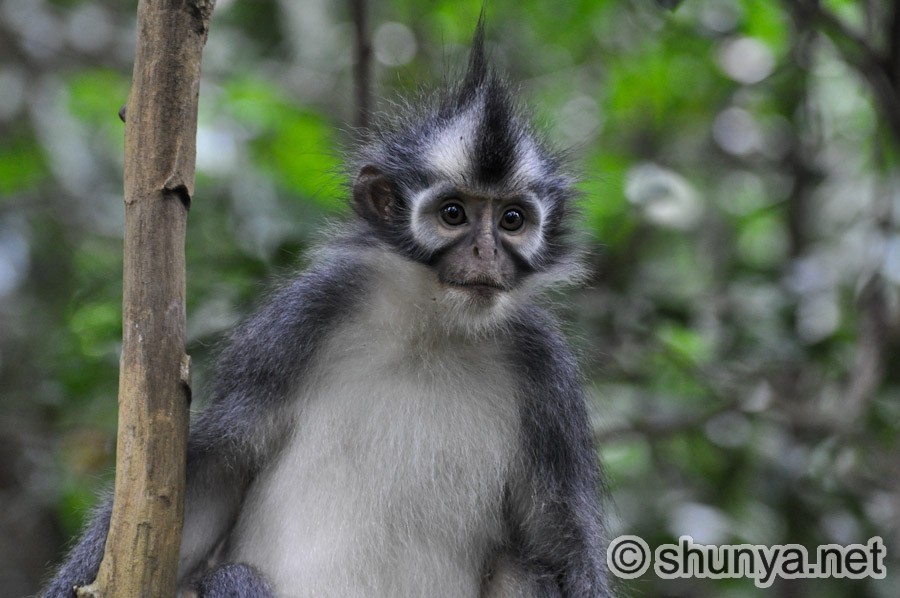
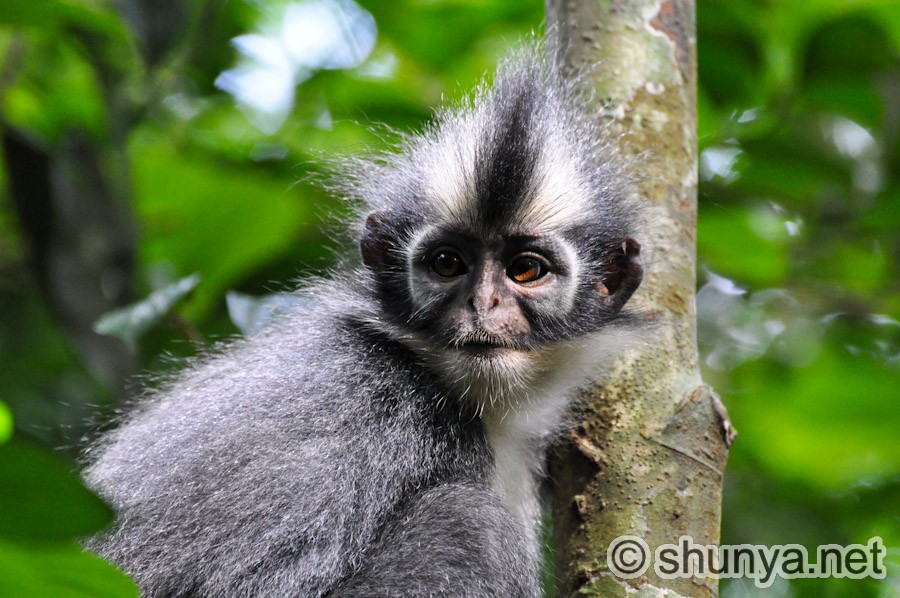
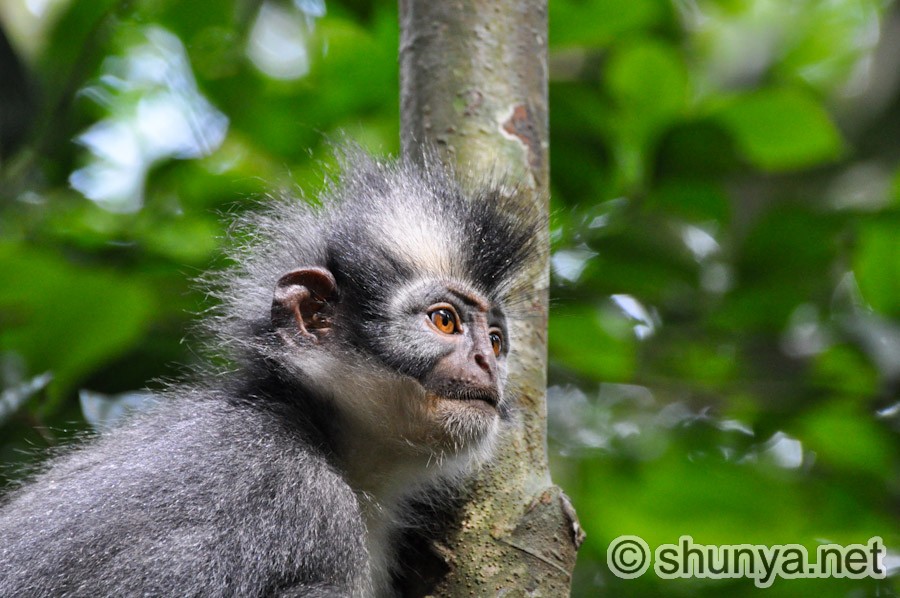
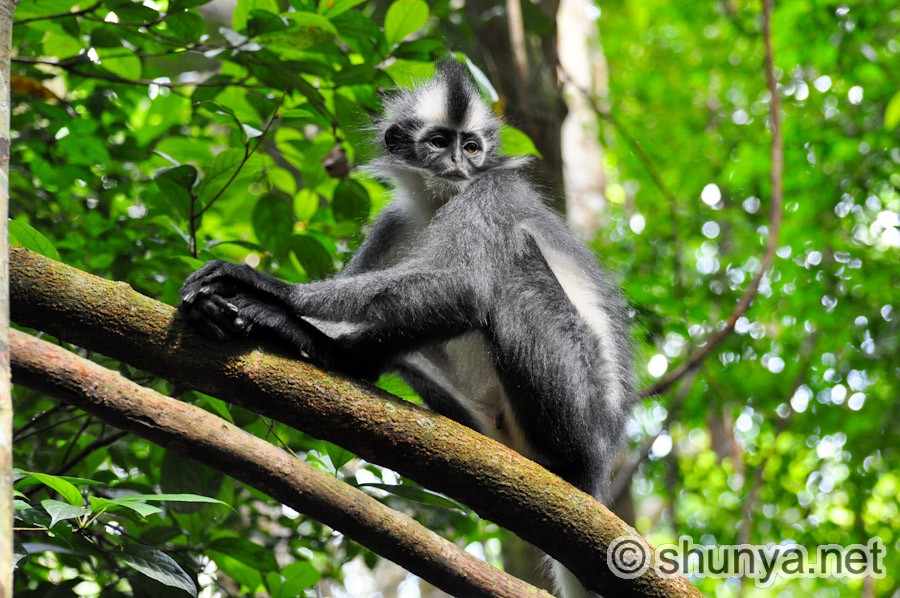
The strikingly patterned Thomas's Leaf Monkey occurs in primary and secondary forests of Aceh Province, on the Indonesian island of Sumatra. Adventurous troupes, which may number from 10 to 20 individuals, are known to venture close to human habitation. The normal diet of the species comprises young leaves, though unripe, non-fleshy fruits or insects are sometimes consumed. The hard seeds of the Rubber Tree Hevea brasiliensis, grown in plantations adjacent to the forest, may also be eaten. The large canines allow the tough husks of forest fruits to be easily torn apart. The fur is grey on the back and dorsal surface of the limbs. The chest, belly and ventral surface of the limbs are pure white. The elegant tail is long and pale in colour, and the feet and hands are black. On the head the crestal fur is grey bordered with white. Juveniles are fully white. Habitat loss is the main threat to the future of Thomas's Leaf Monkey, however large areas of native forest still survive in northern parts of Sumatra where this species occurs. (Source: Ecology Asia) |
|||
|
|
|
|
|
|
|
|
|
(more)
|
|
|
|
|
Baboons |
|||
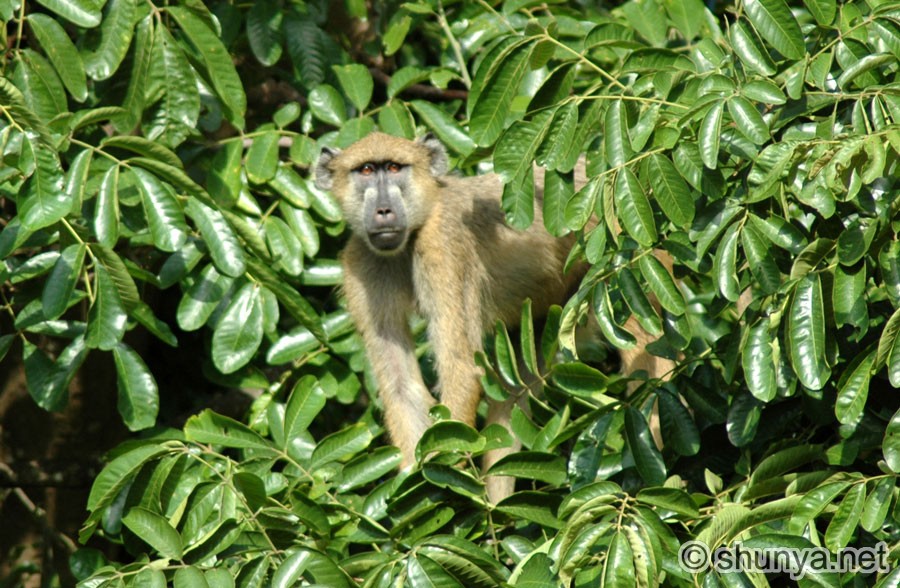
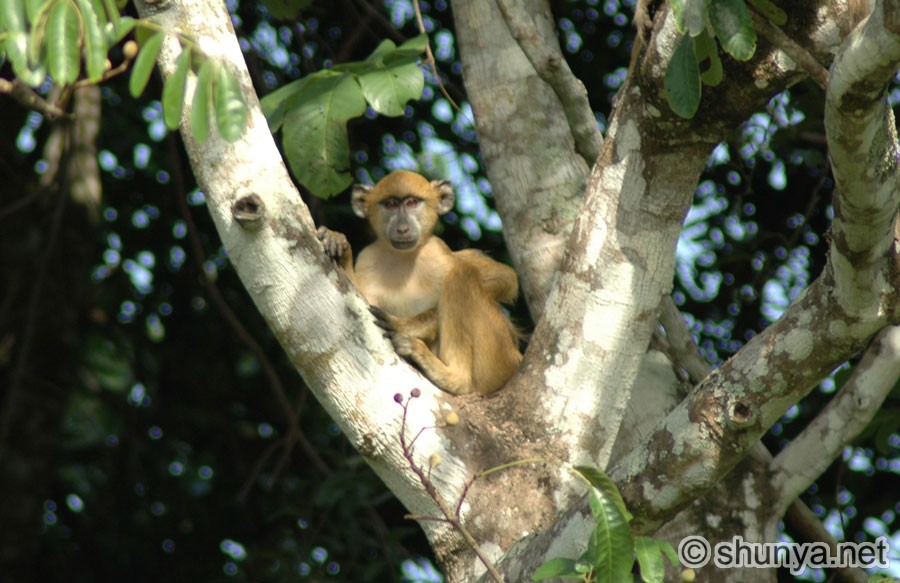
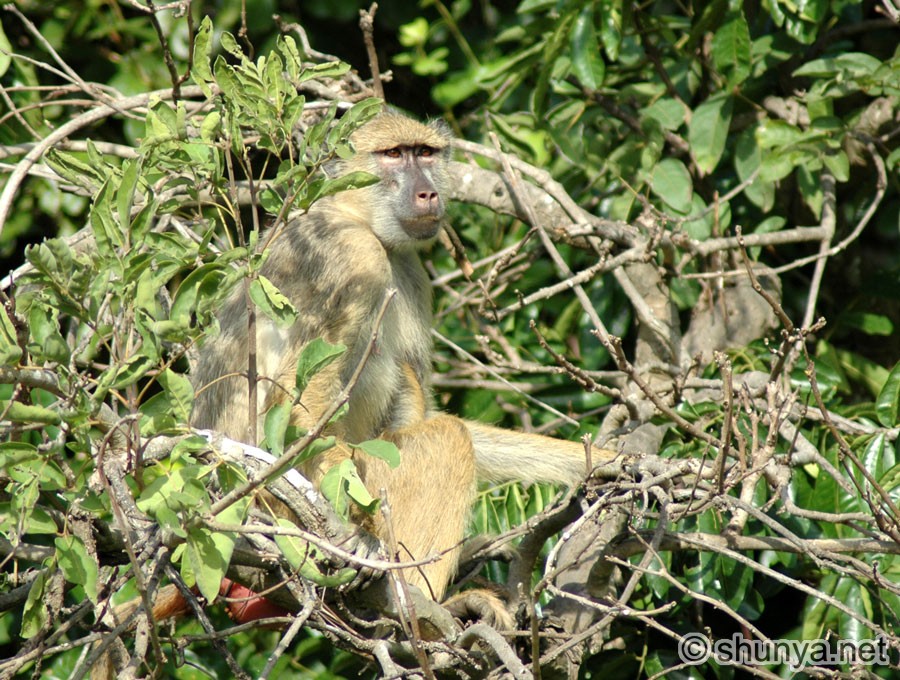
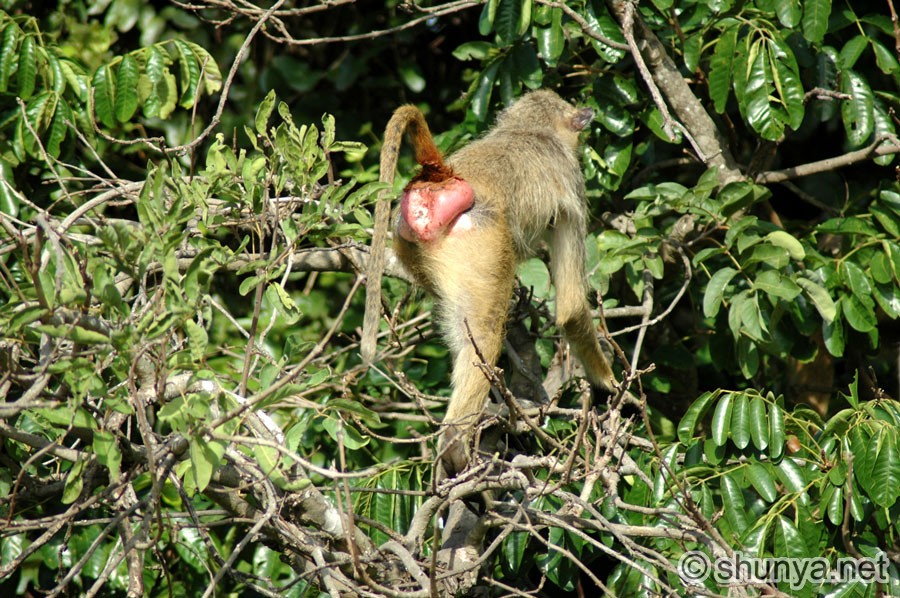
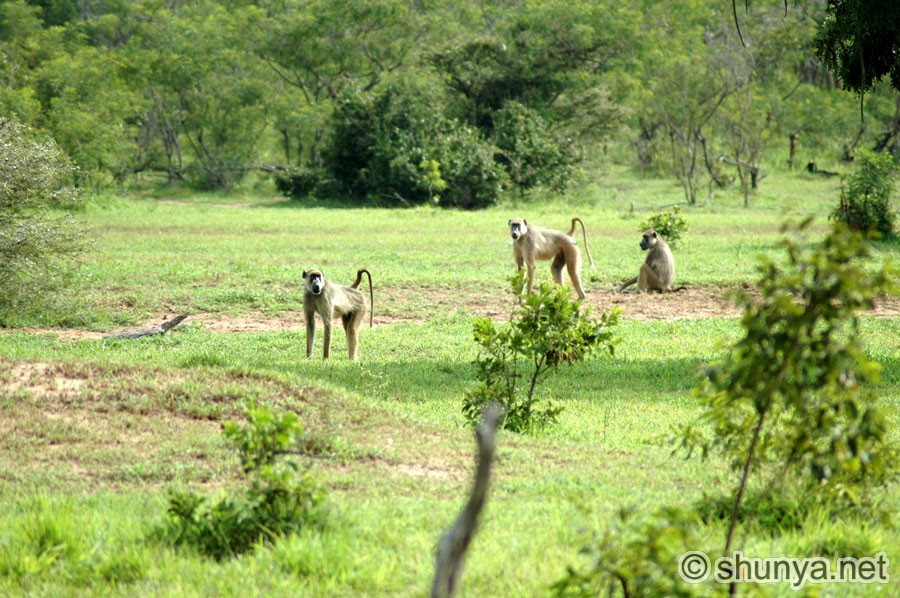
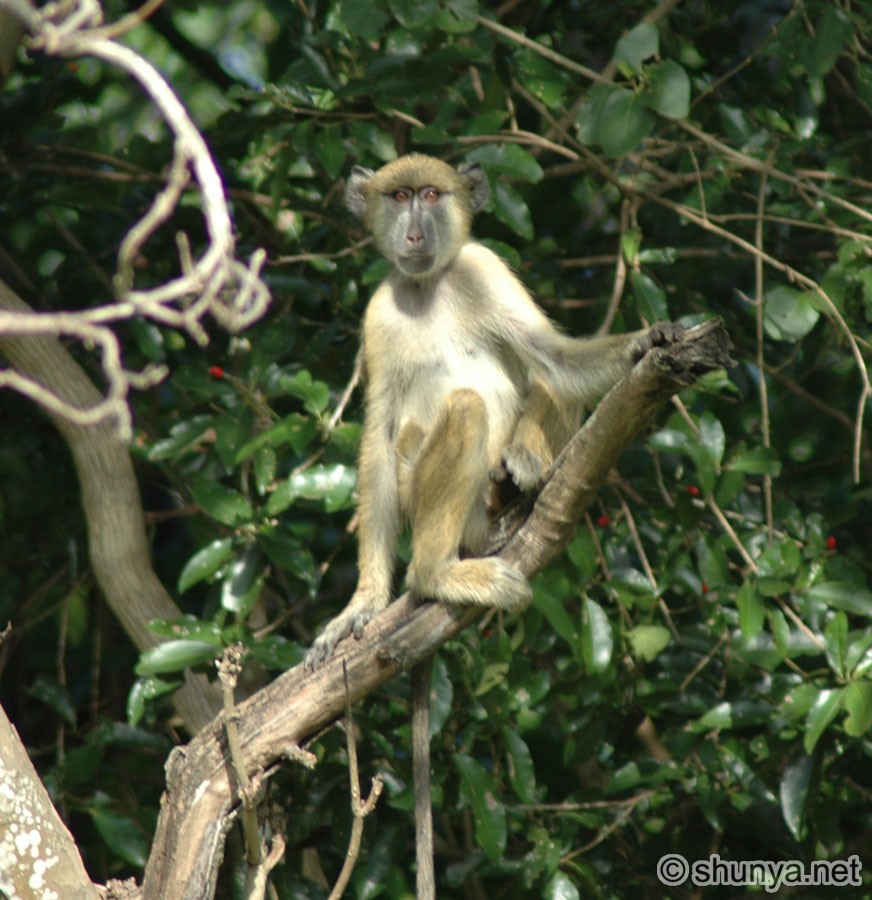
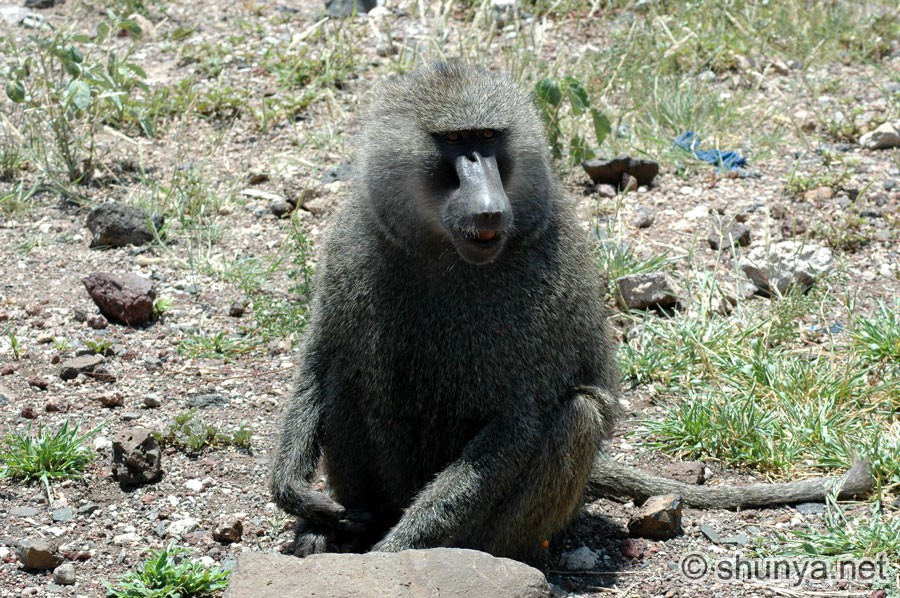
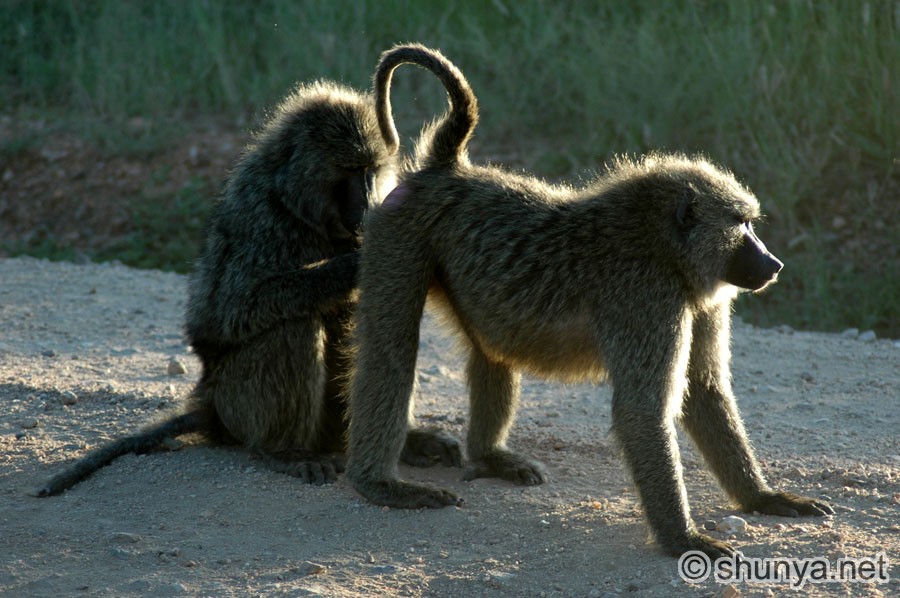
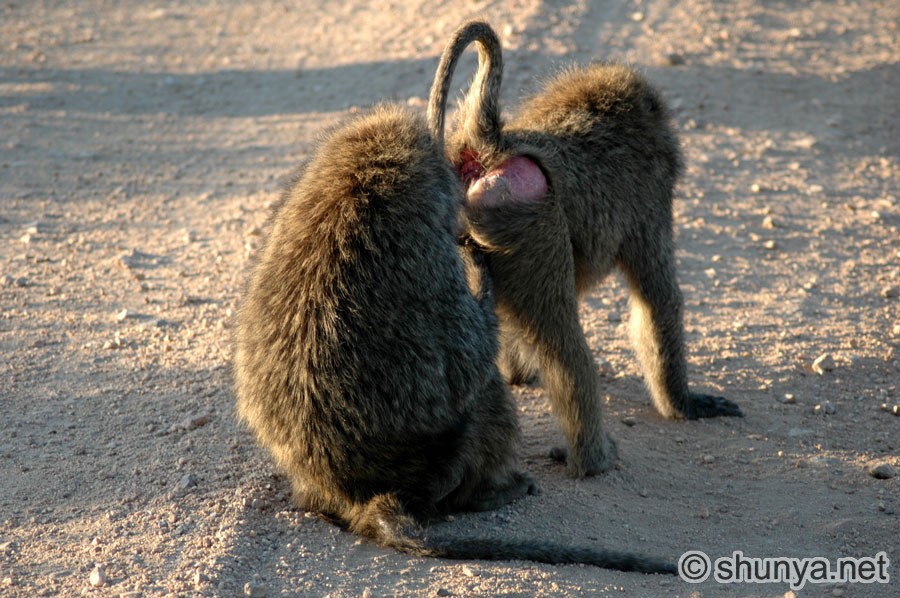
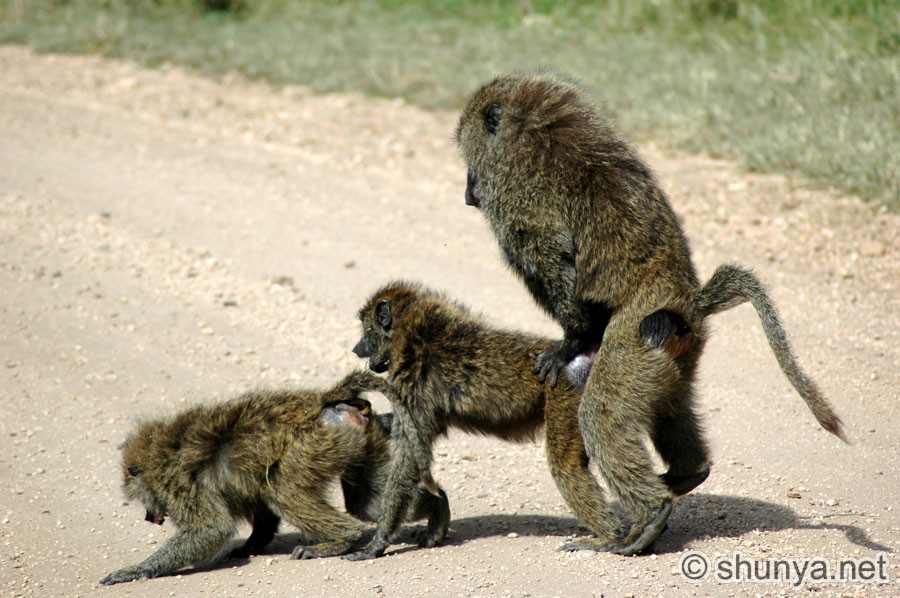
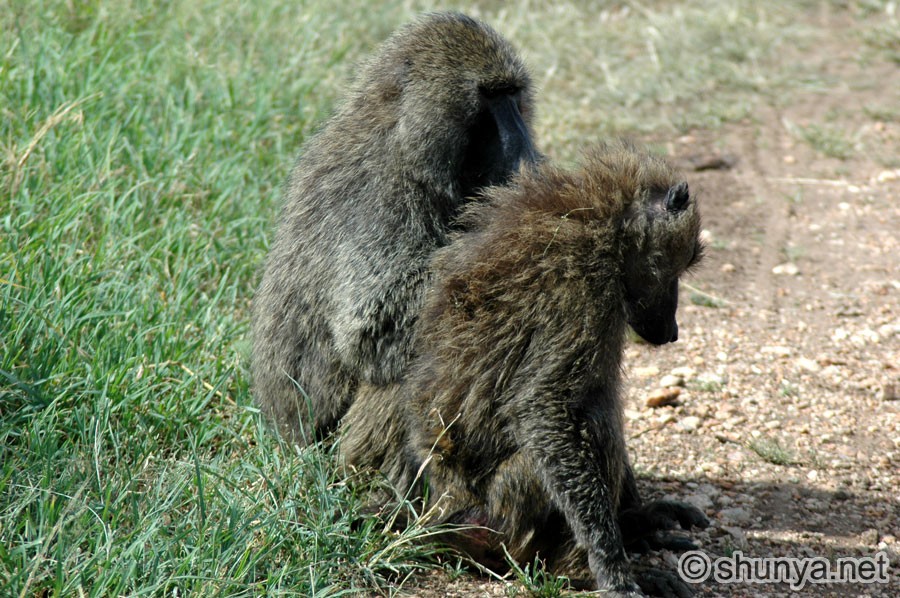
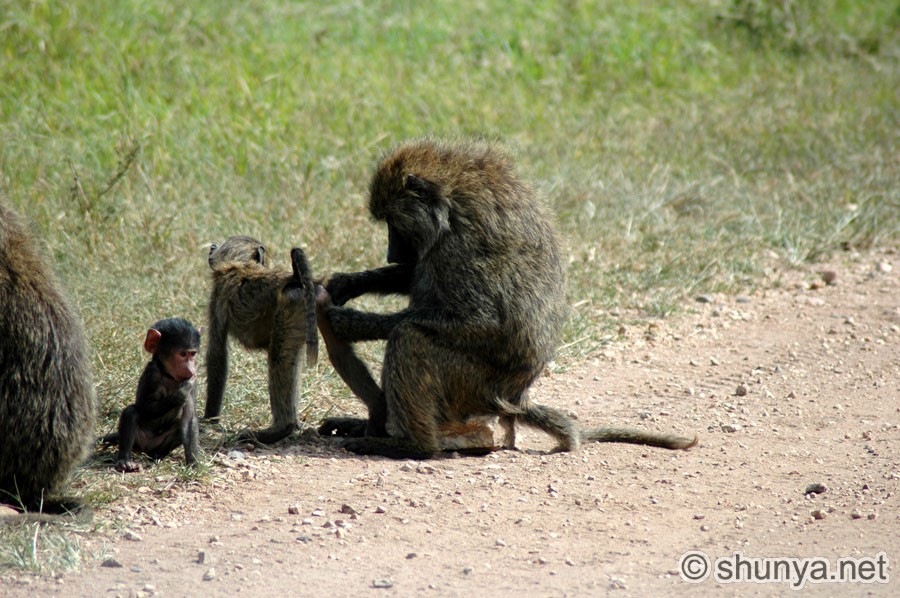
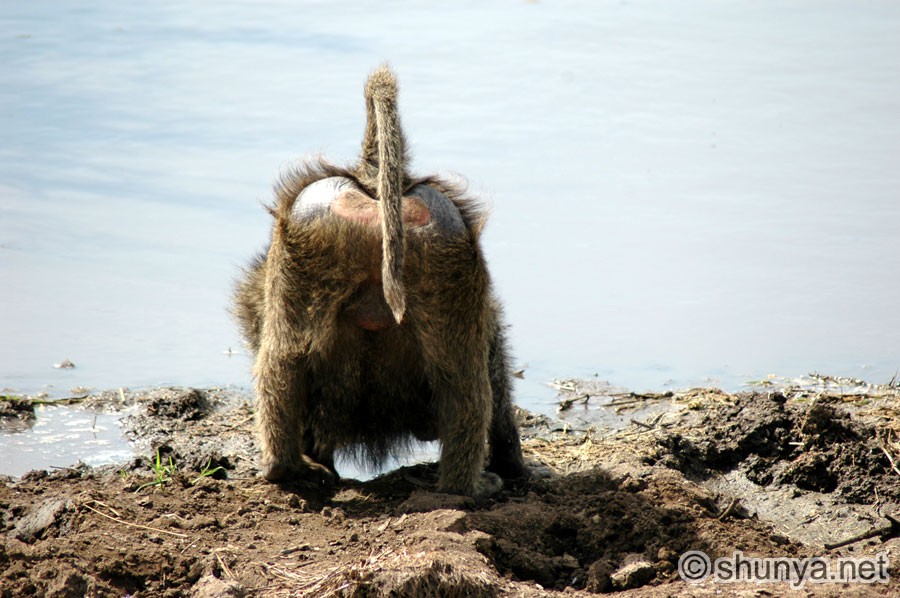
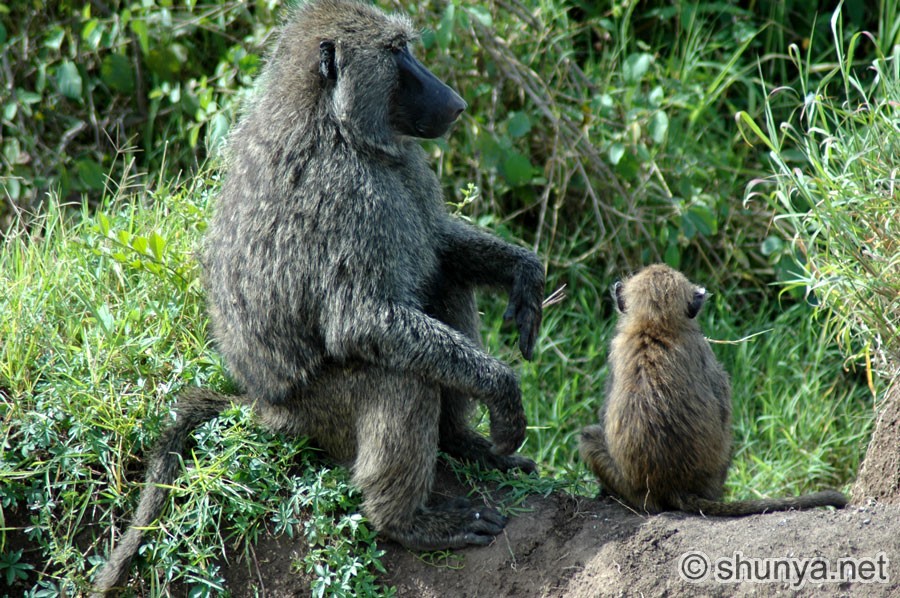
Any of five species of large, robust, and primarily terrestrial monkeys found in dry regions of Africa and Arabia. All species have long snouts with the nostrils located at the end; male baboons have long dagger like canines. Unlike most monkeys, few baboons live in tropical forests; most are found in savanna and semiarid regions, where they rove on the ground. They regularly climb trees, however, and here they sleep, keep watch, and sometimes feed. Baboons eat a variety of plants and animals, including grass and grass seeds, fruit, pods, roots, and tubers that they dig out of the ground. They also eat rodents, birds, and even gazelle fawns that they find hiding in long grass. In South Africa they are said to kill lambs, and everywhere they are known as crop raiders. The yellow baboon (P. cynocephalus) is one of the smaller baboon species and is found from the Zambezi northward to the Kenya coast and Somalia. The anubis, or olive baboon (P. anubis), is the second largest baboon species and is olive in color; the male has a large mane of hair over the head and shoulders. It has a wide range, from the hinterland of Kenya and Ethiopia through the grasslands and Sahel westward to Mali. It is also found in the less-arid highlands of the Sahara, such as Tibesti and Aïr. All live in large cohesive troops numbering from 10 to several hundred. In most cases, females will remain with the troop in which they are born, but males nearing maturity will leave and try to join a different troop. Within each troop there is a dominance hierarchy among adult males. They threaten each other and often fight, and the dominance ranking is constantly changing. The dominance hierarchy of females is much more stable; females are genetically related to each other and rarely fight. Dominant members of each sex have the first choice of favored foods and mating partners; they also keep order within the troop, chasing and threatening subordinates that are fighting or otherwise causing a disturbance. The female baboon has a menstrual cycle lasting about 35 days. As estrus approaches, she develops large cushion like swellings incorporating the vulva, perineum, and anus; these make her attractive to the males, which then compete to consort with her. The most dominant male will mate with more estrous females than will any other males and thus will father a high proportion of the next generation. After ovulation, the female's swellings rapidly subside, and she is no longer attractive to the adult males. A single infant is born after a gestation of five to six months. The young are conspicuously black in color and are permitted a great deal of freedom in their behavior. ♣ |
|||
 |
 |
 |
 |
 |
 |
||
Olive Baboons at Ngorongoro / Serengeti NP / Lake Manyara NP / Selous Game Reserve, Tanzania |
|||
 |
 |
 |
 |
 |
 |
 |
 |
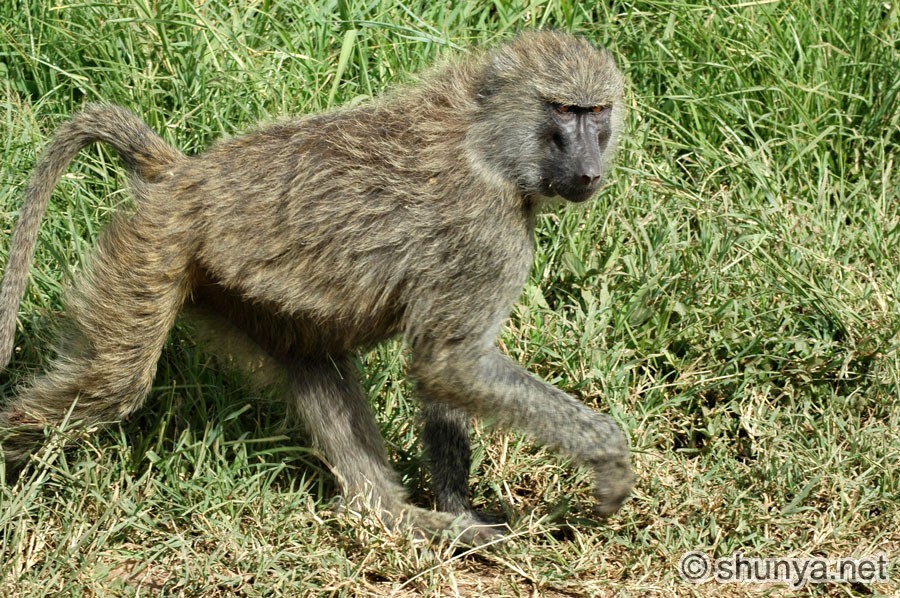 |
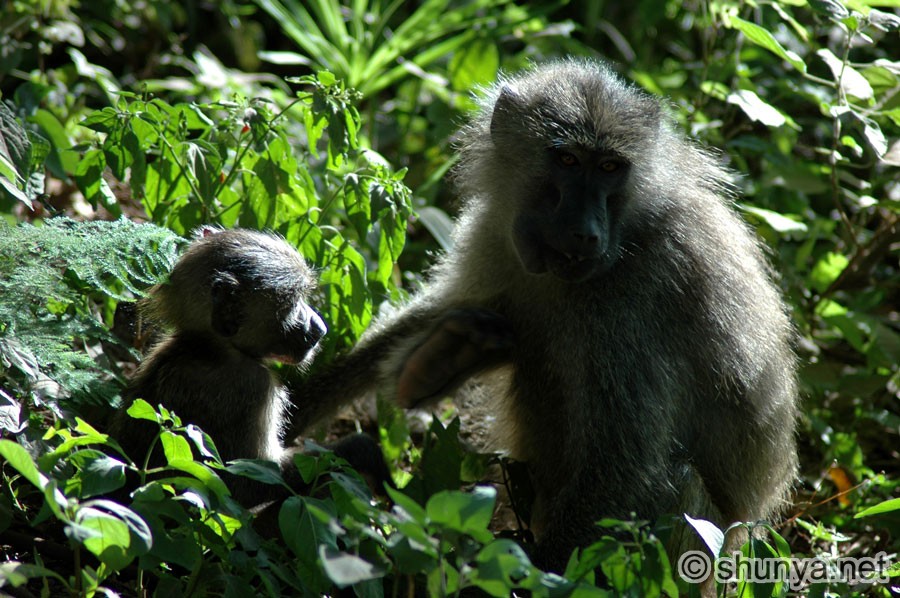 |
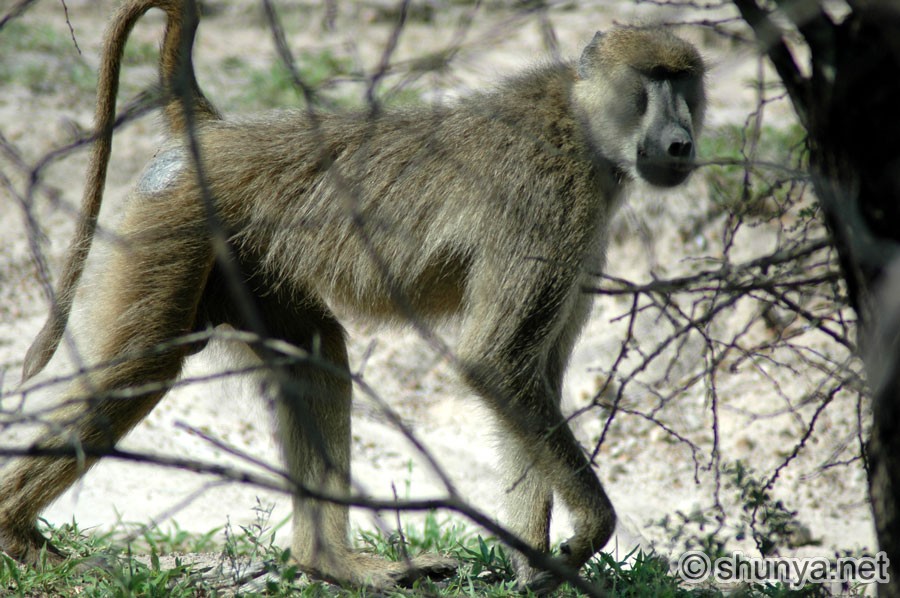 |
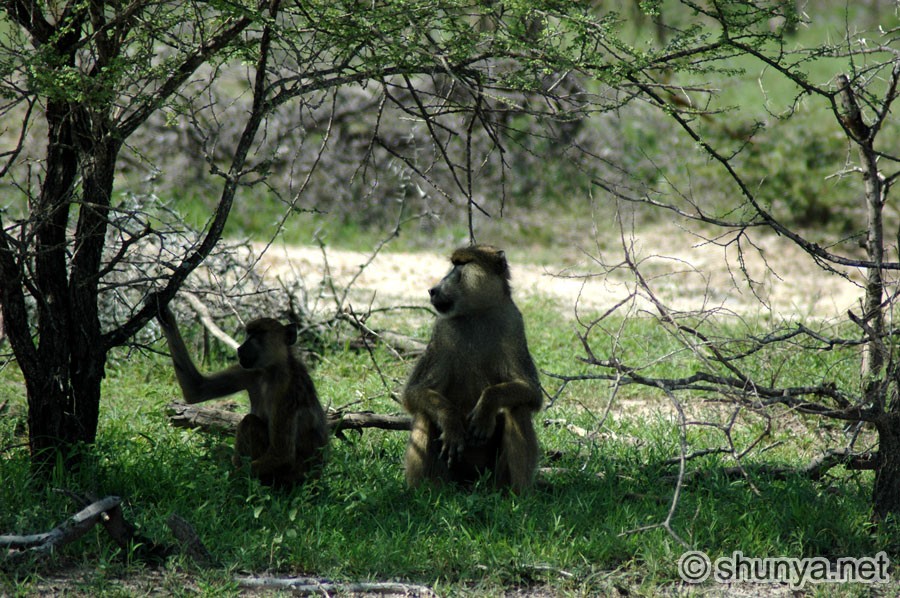 |
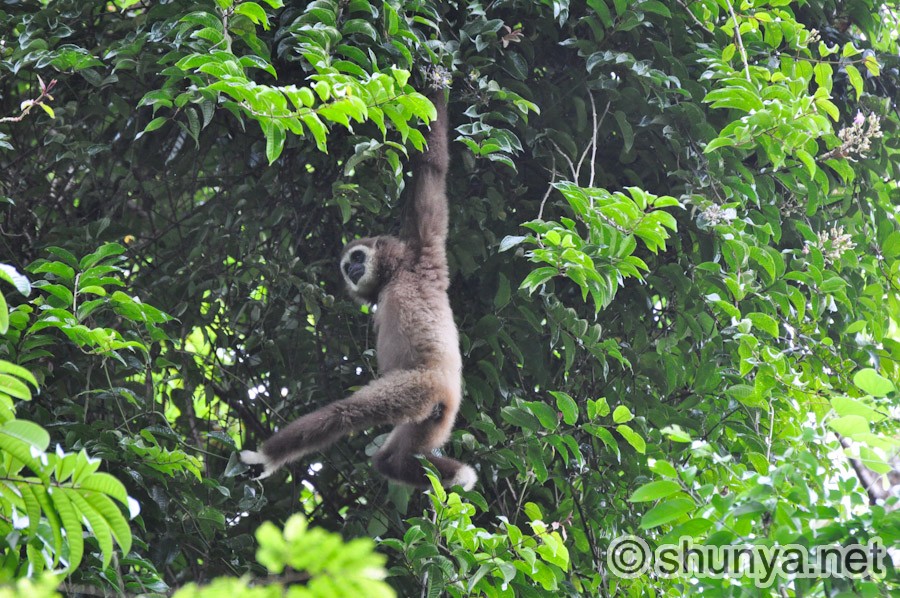
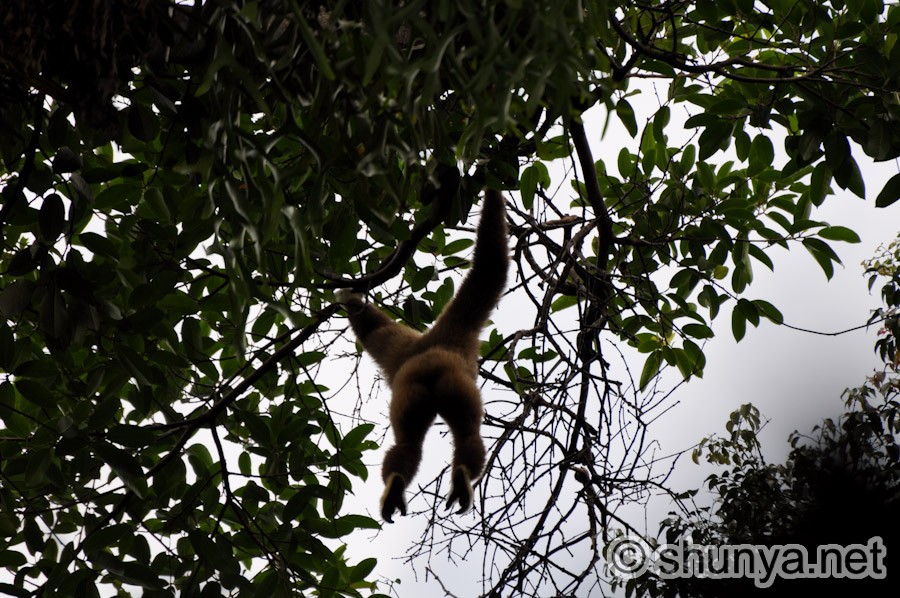
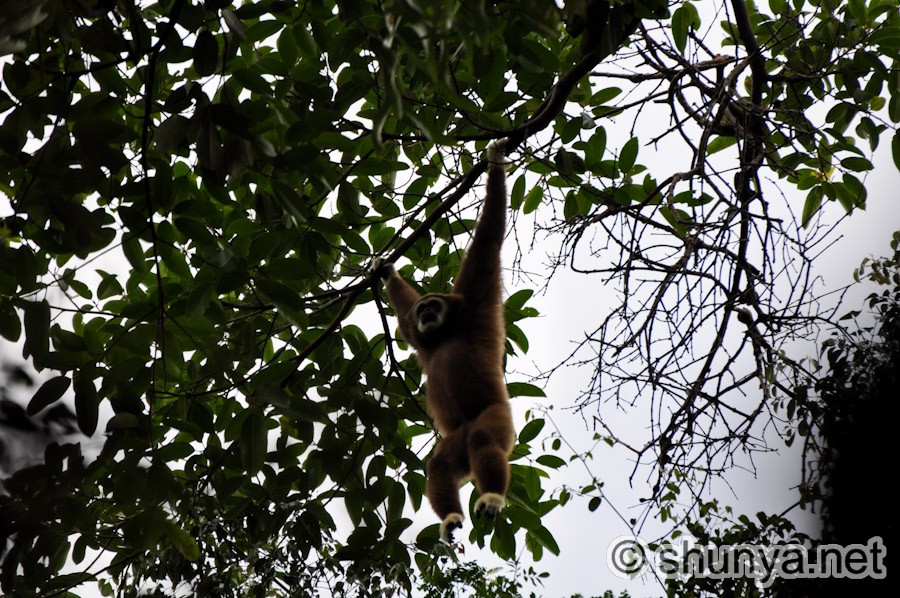
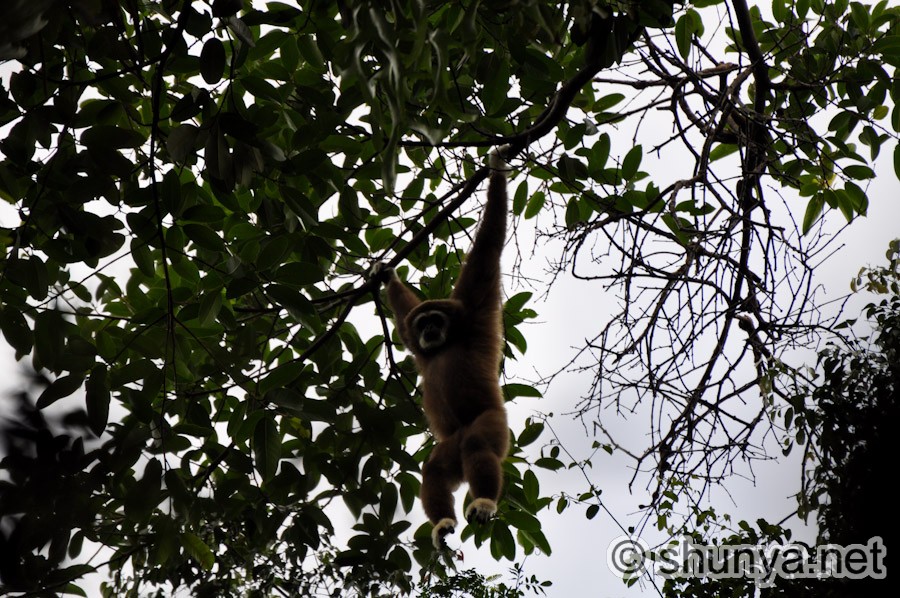
Gibbon at Gunung Leuseur National park, Sumatra, Indonesia |
|||
 |
 |
 |
 |
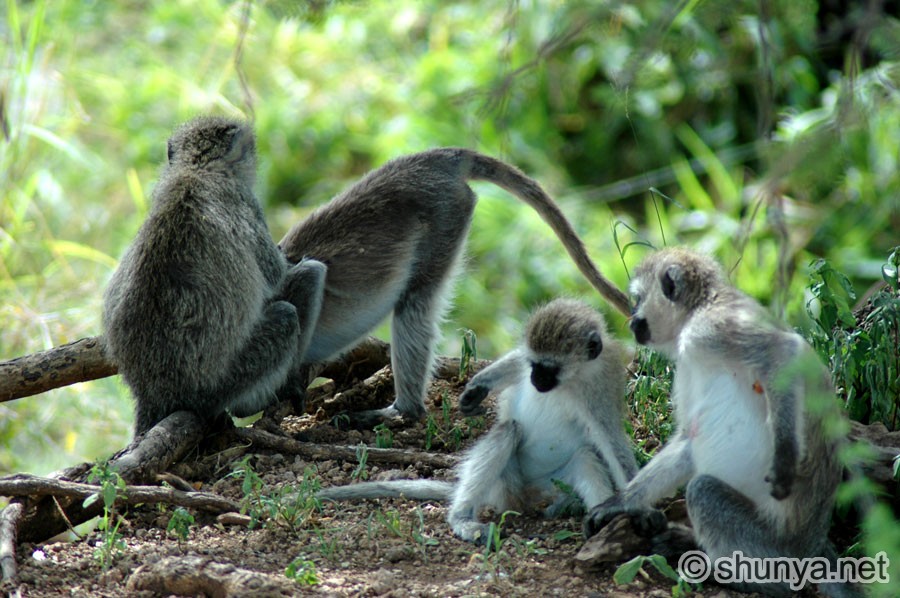
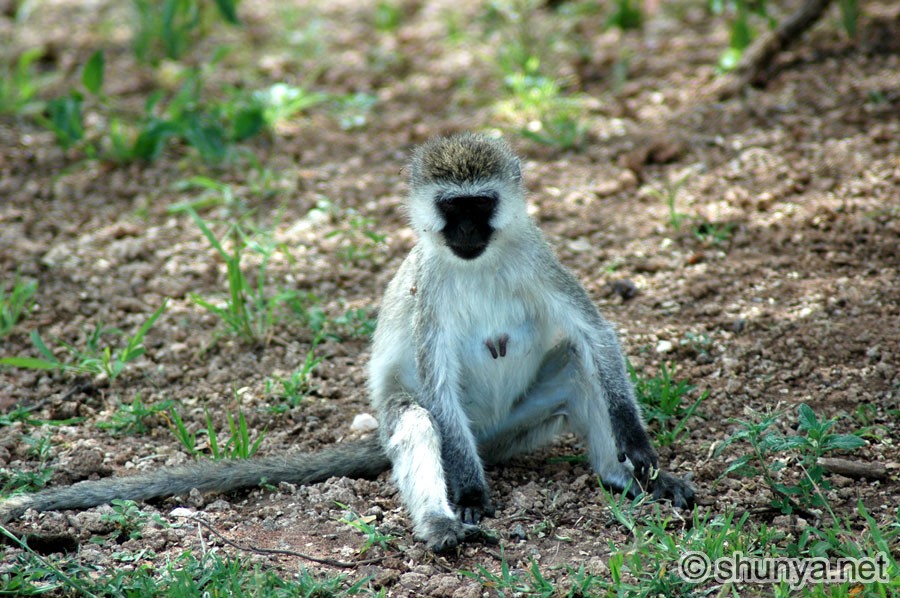
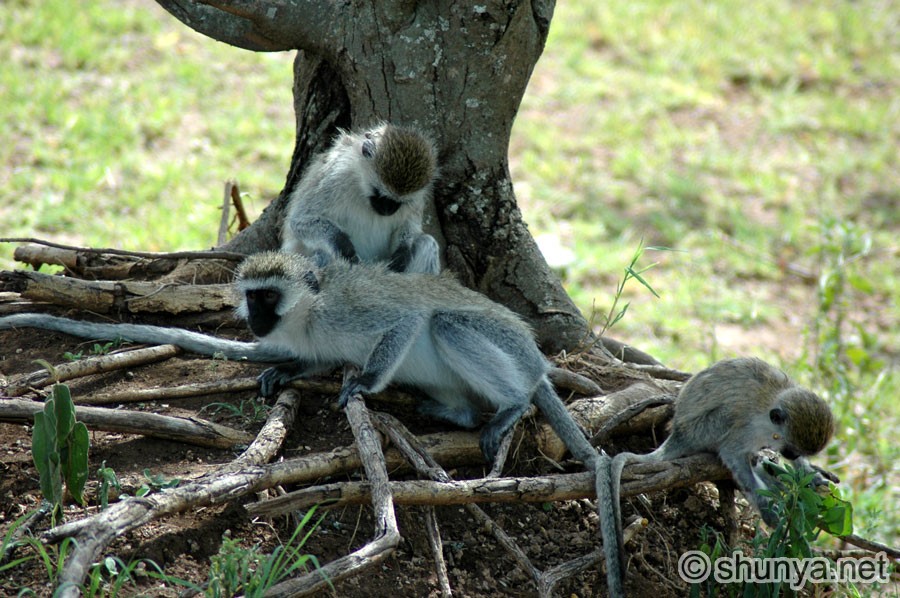
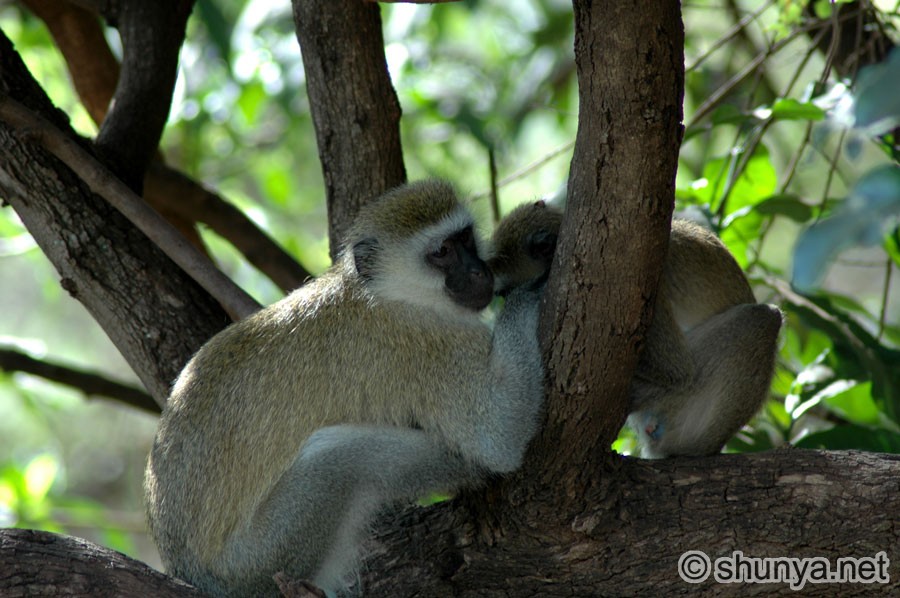
Vervet monkeys at Serengeti National Park / Lake Manyara National Park, Tanzania |
|||
 |
 |
 |
 |
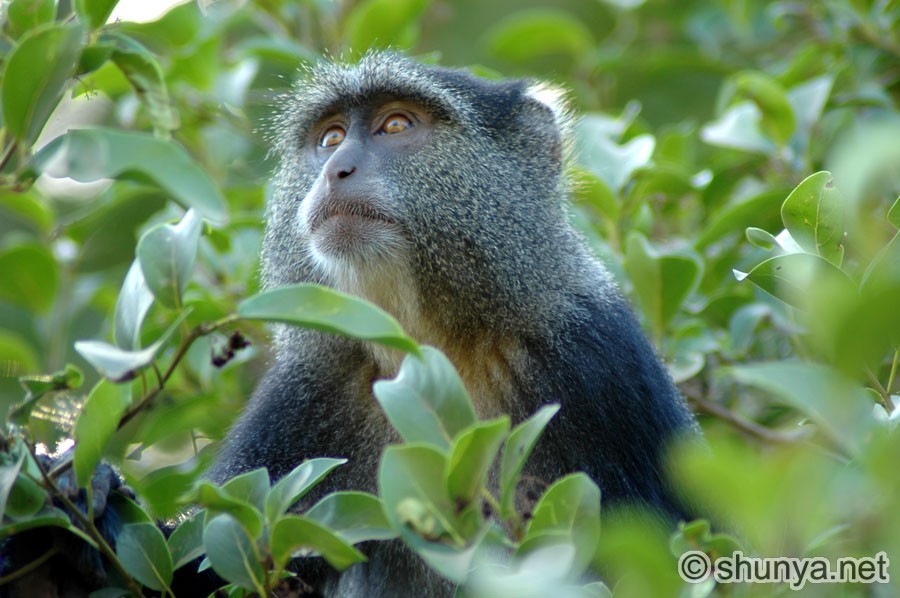
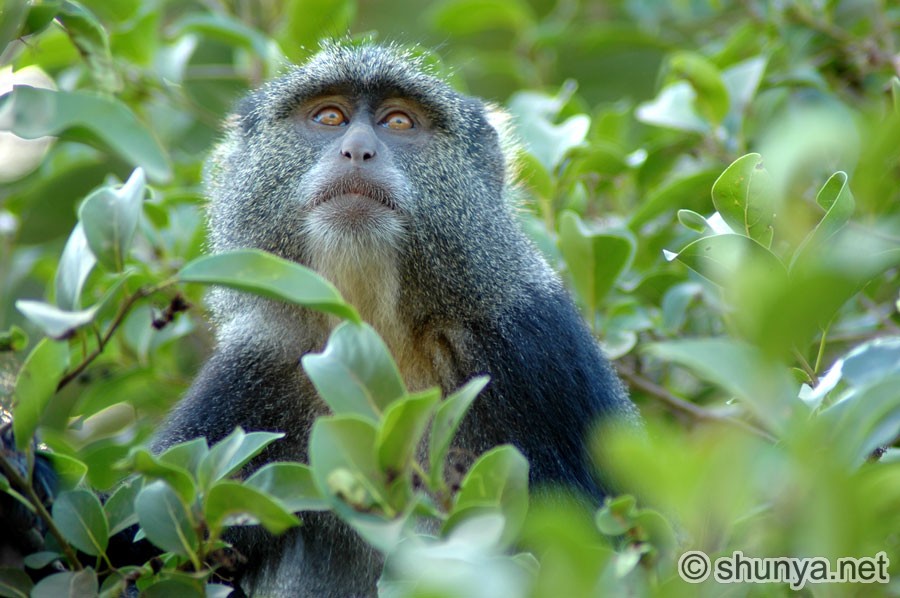
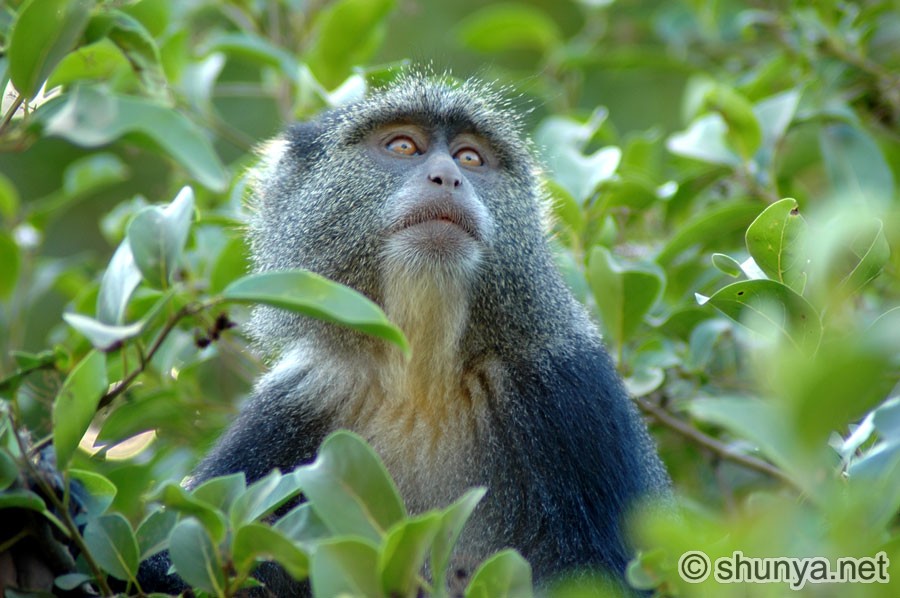
Black monkey at Lake Manyara National Park, Tanzania |
|||
 |
 |
 |
|
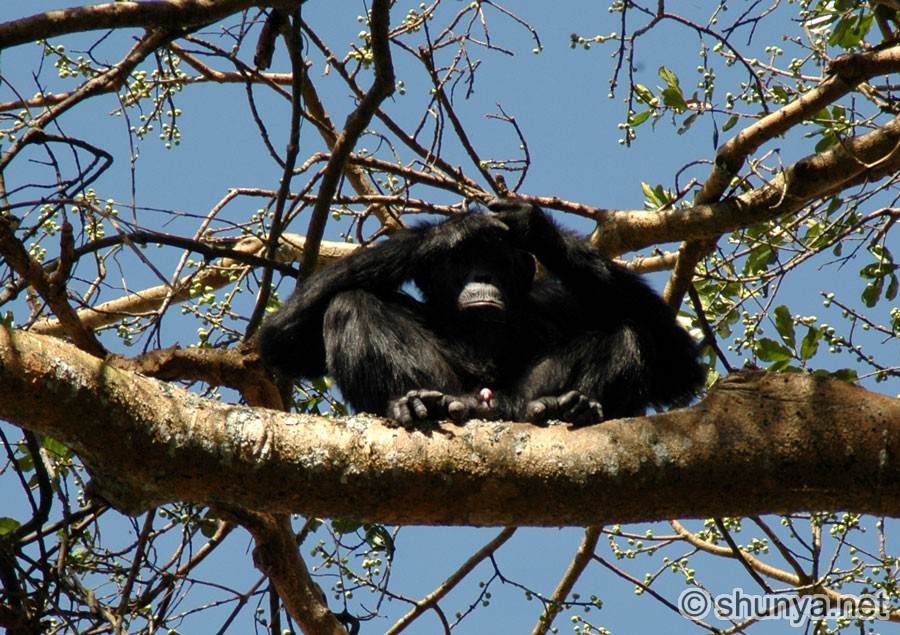
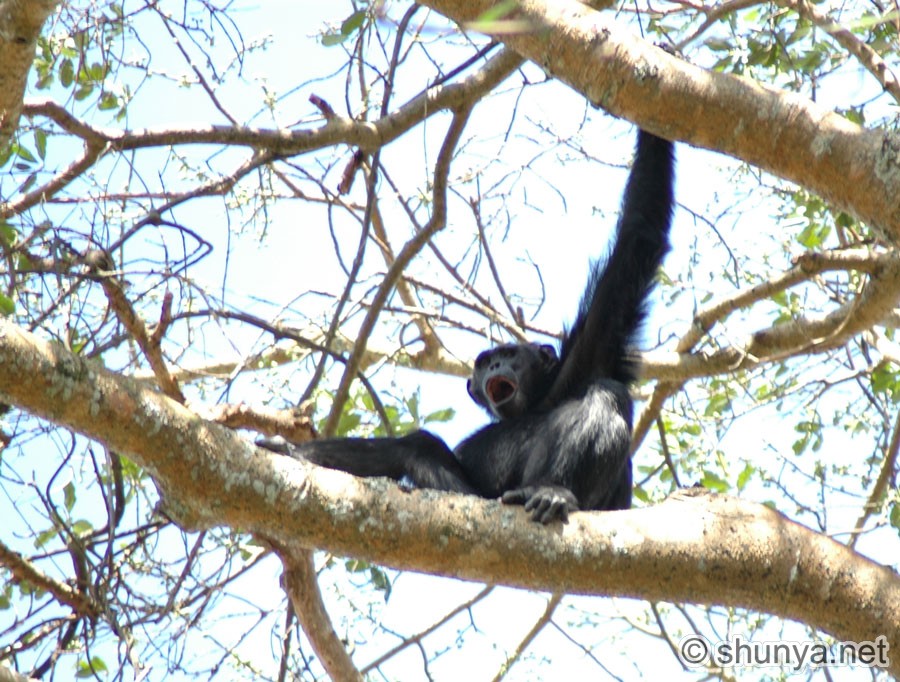
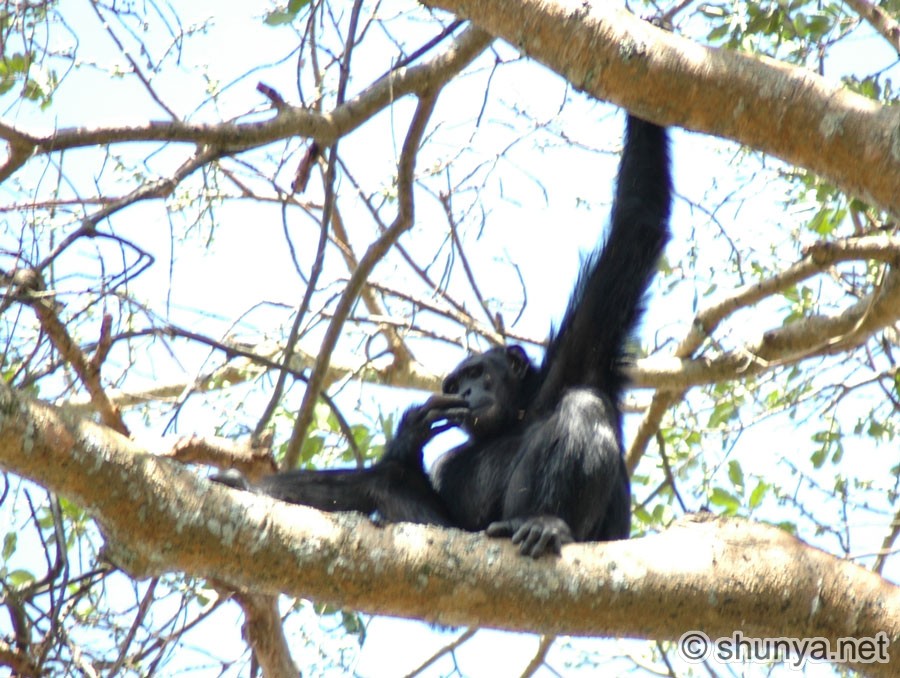
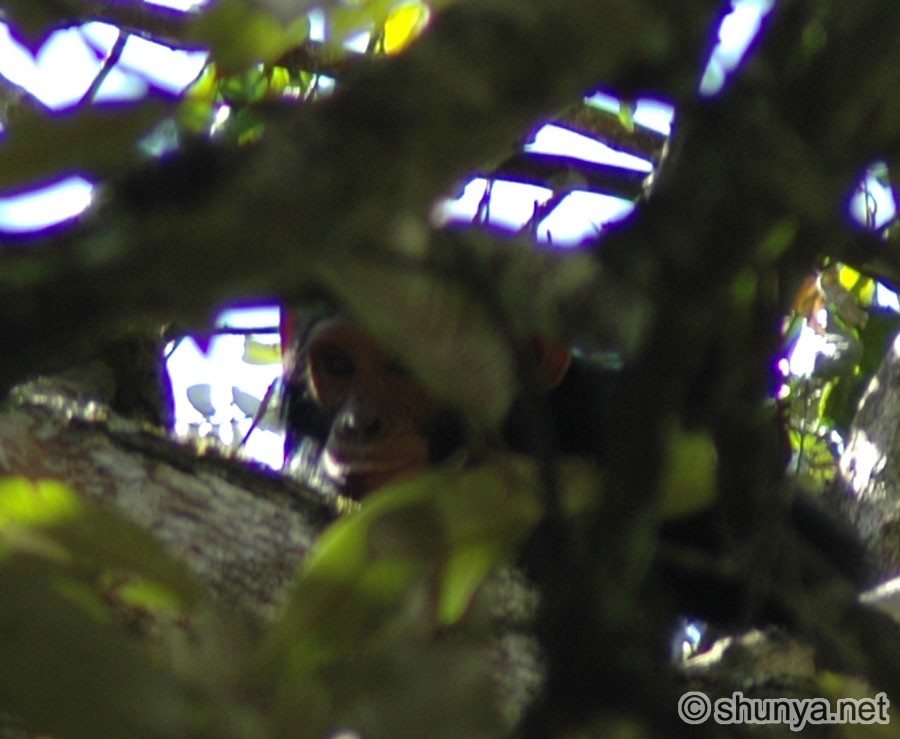
Chimpanzees at Kibale National Forest, Uganda |
|||
 |
 |
 |
 |
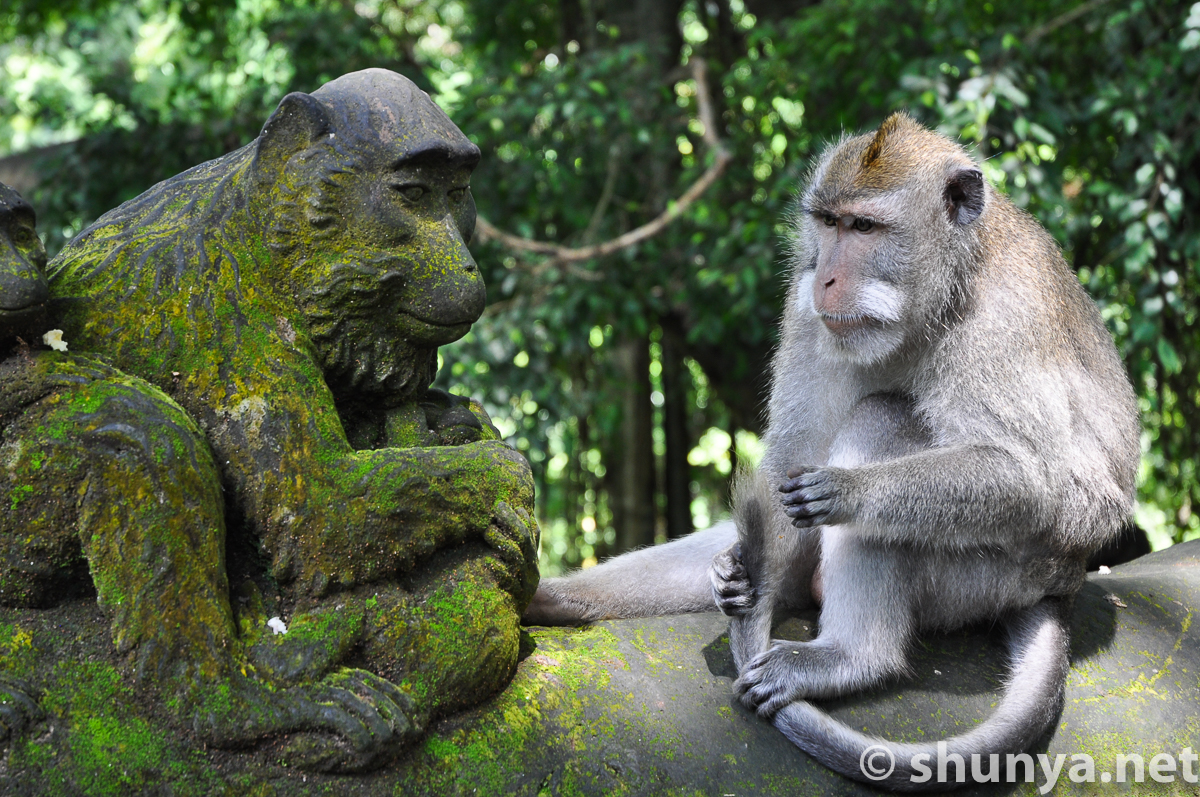
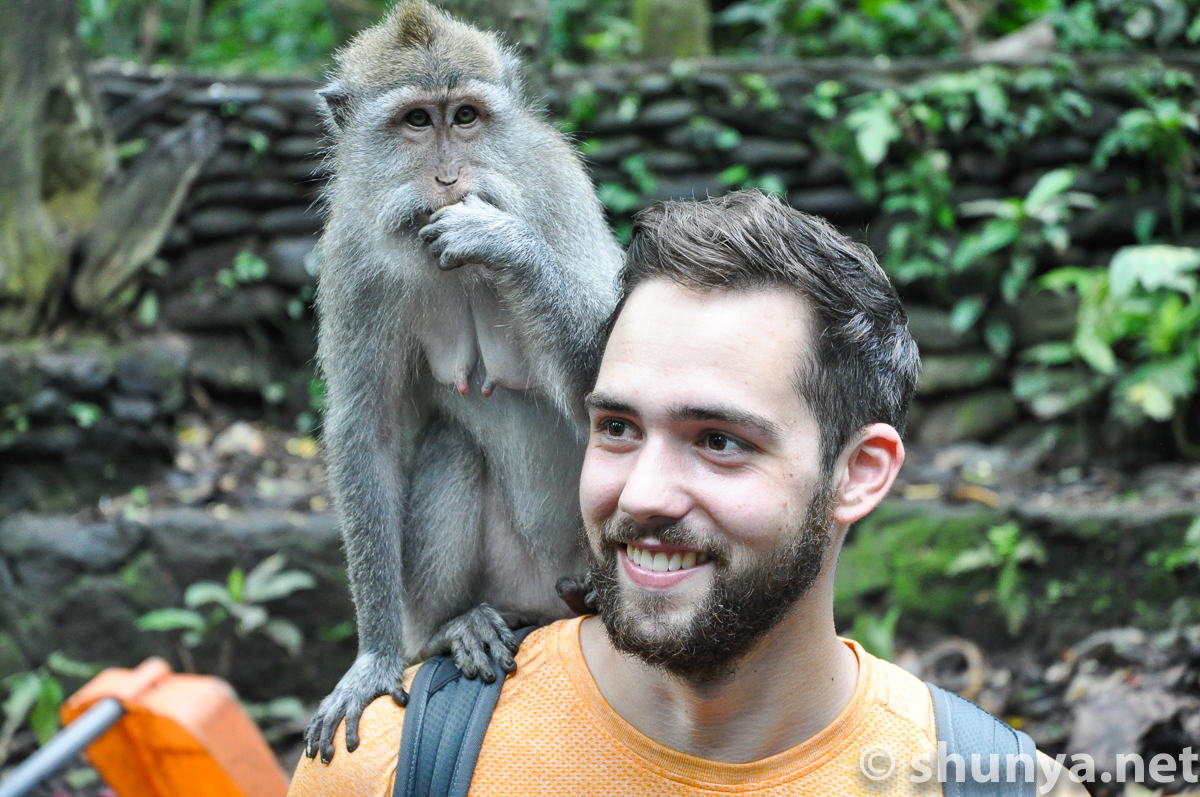
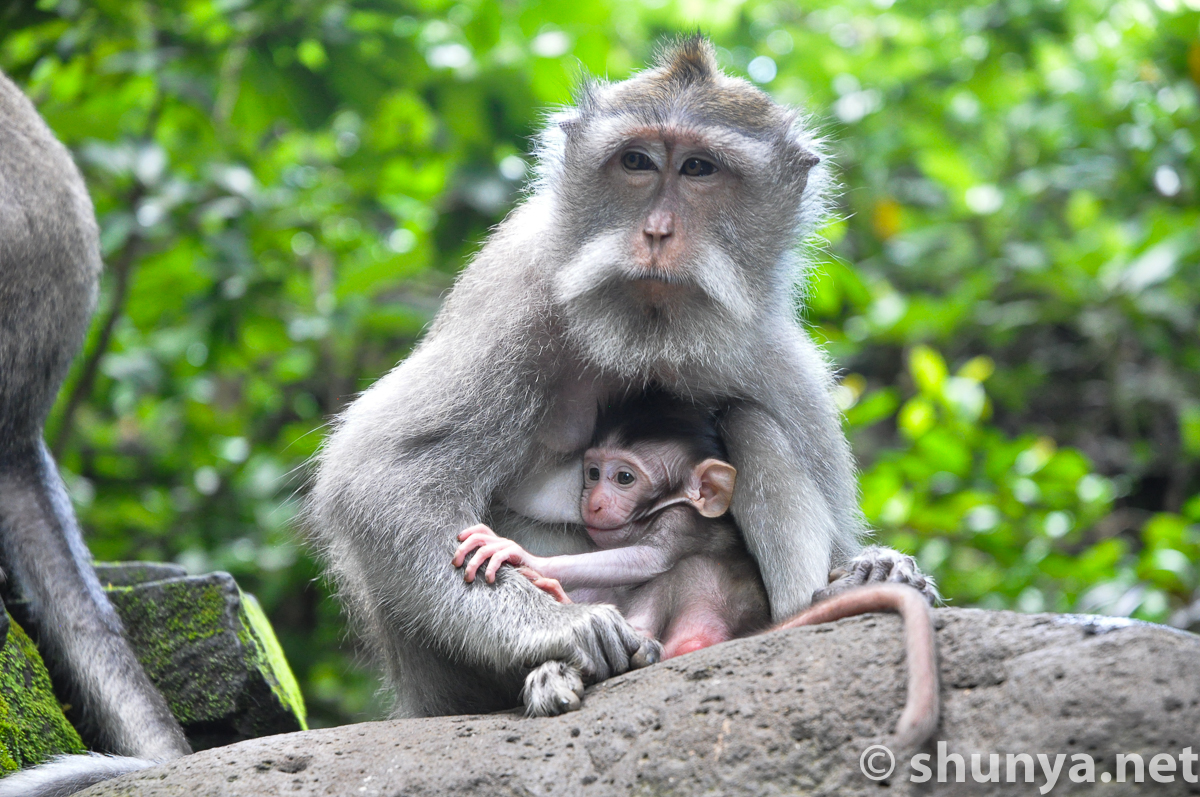
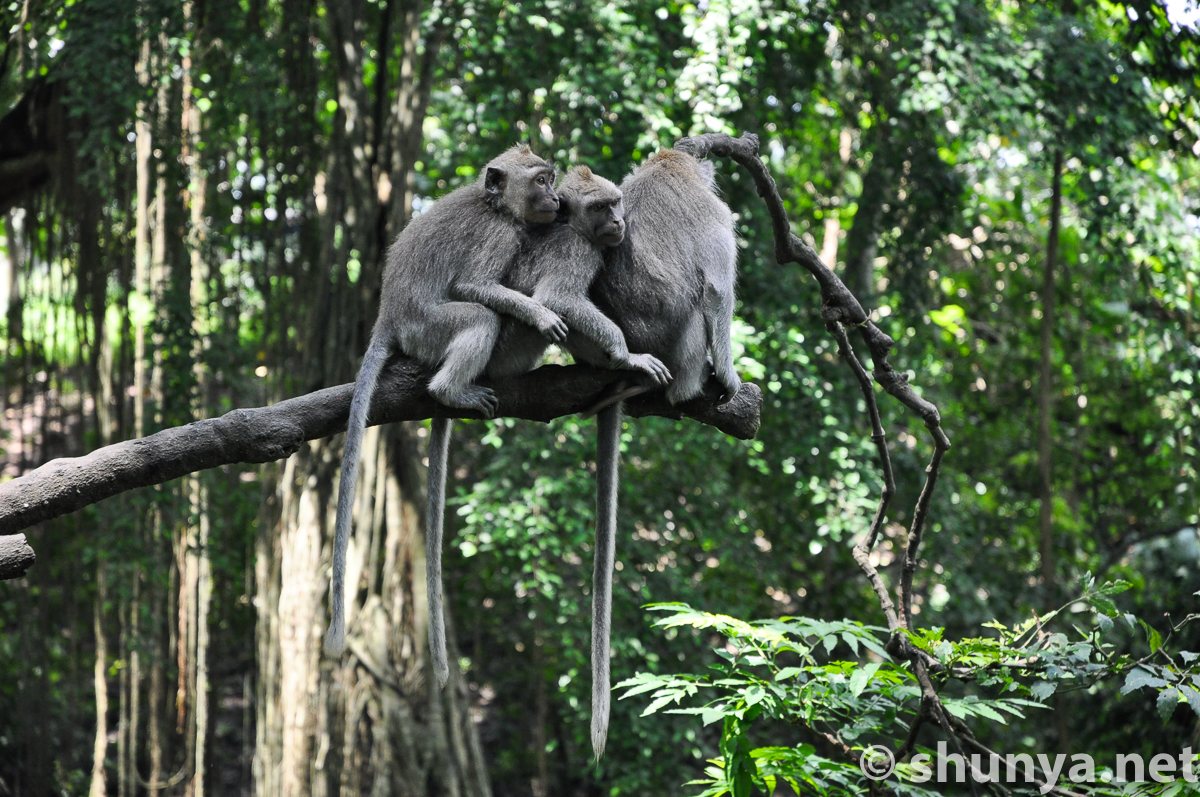
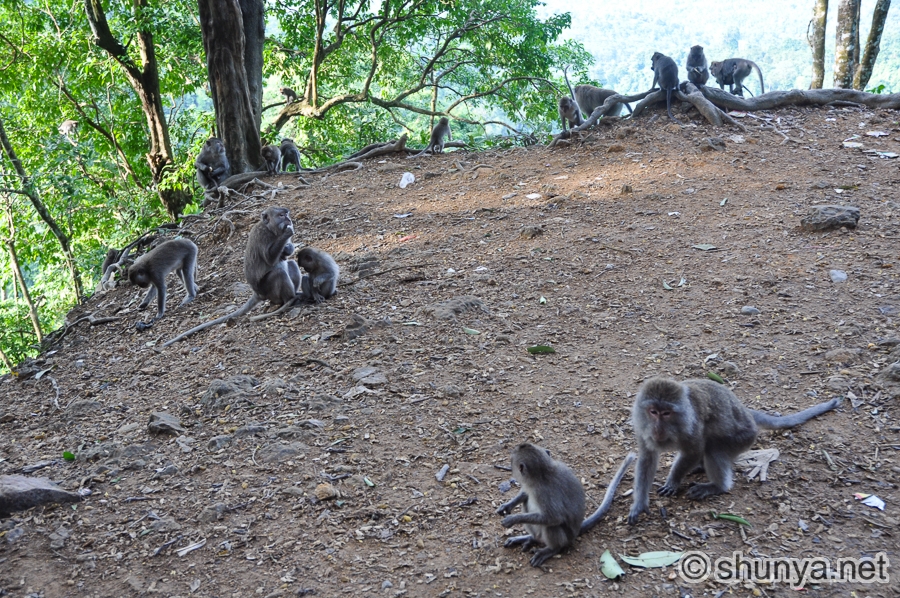
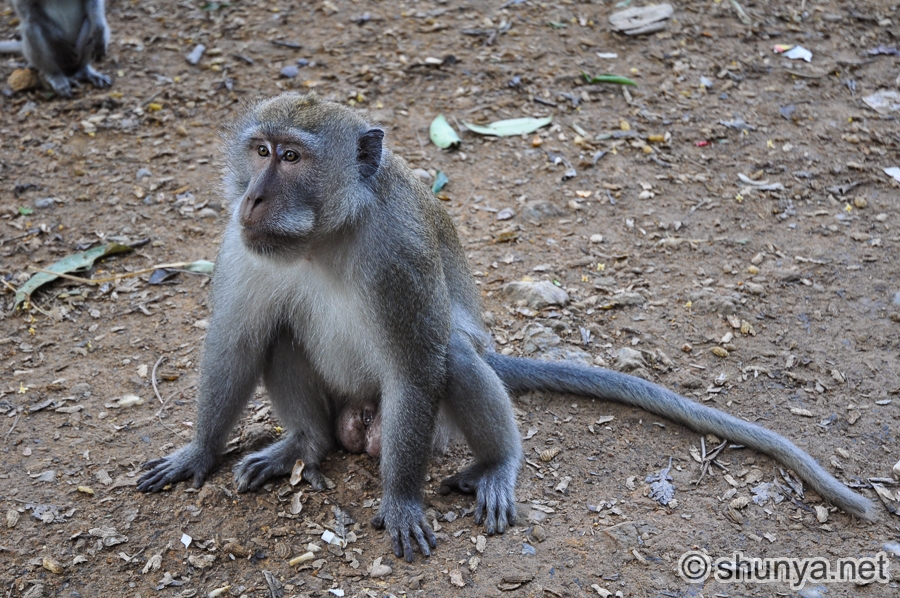
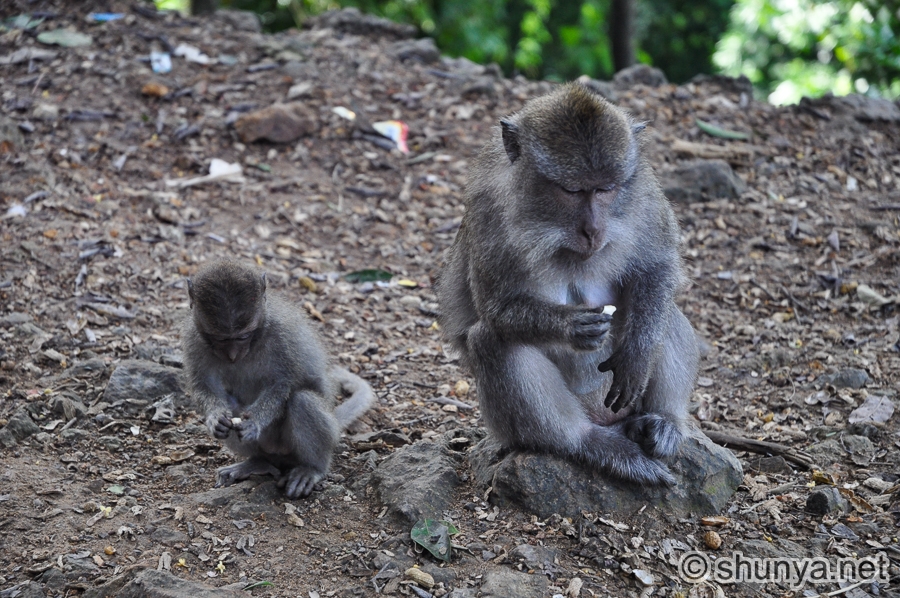
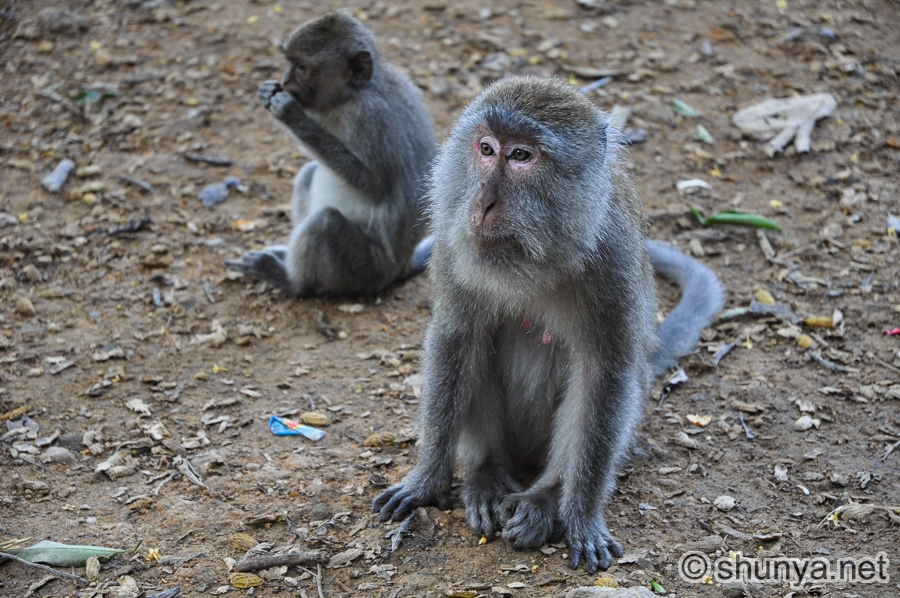
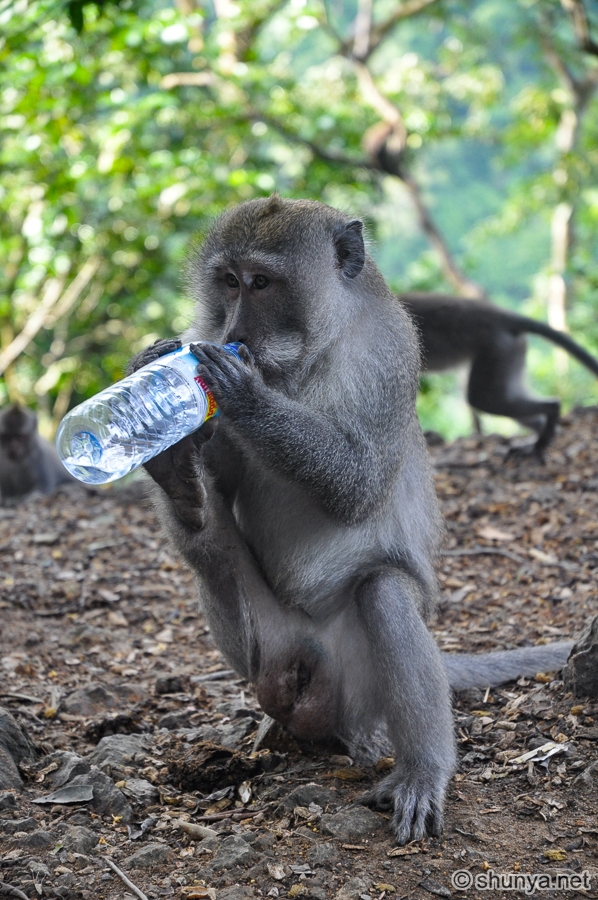
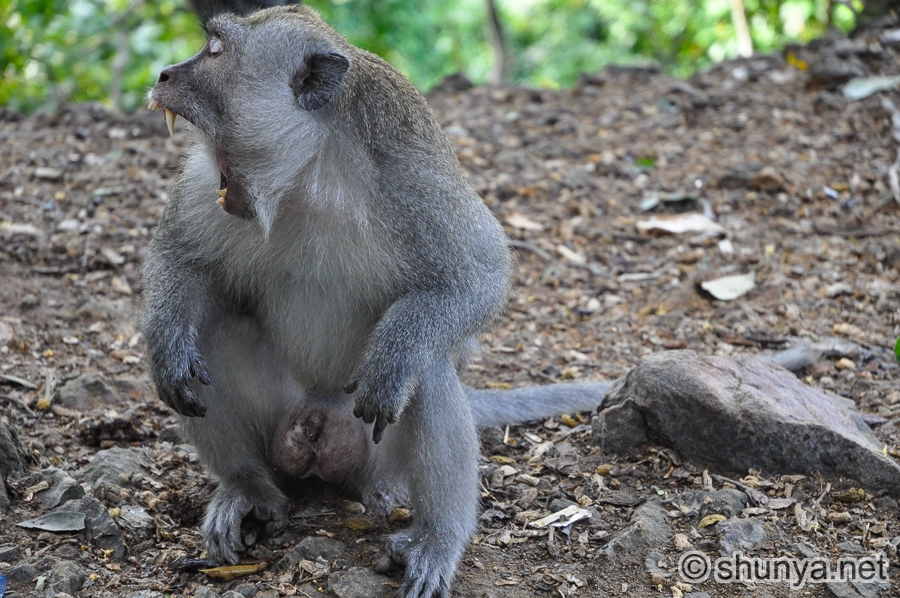
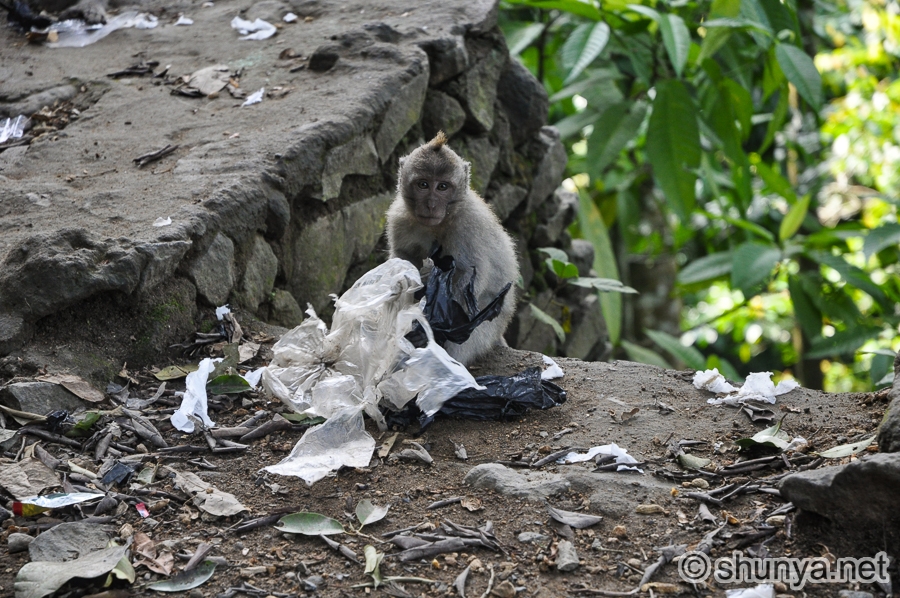
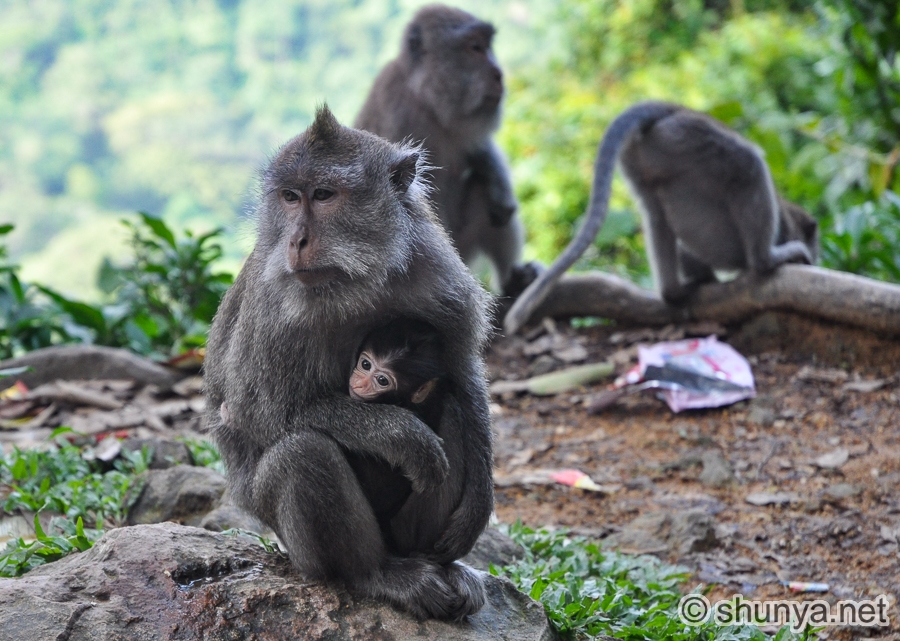
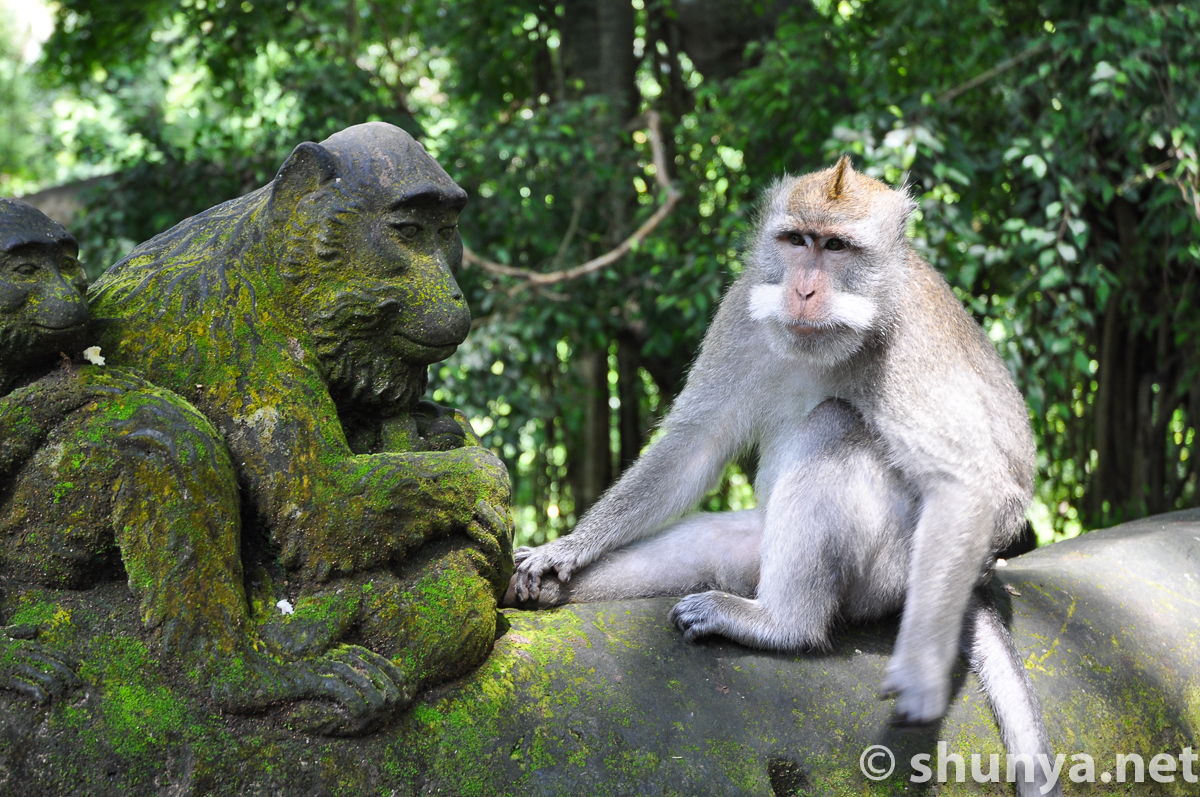
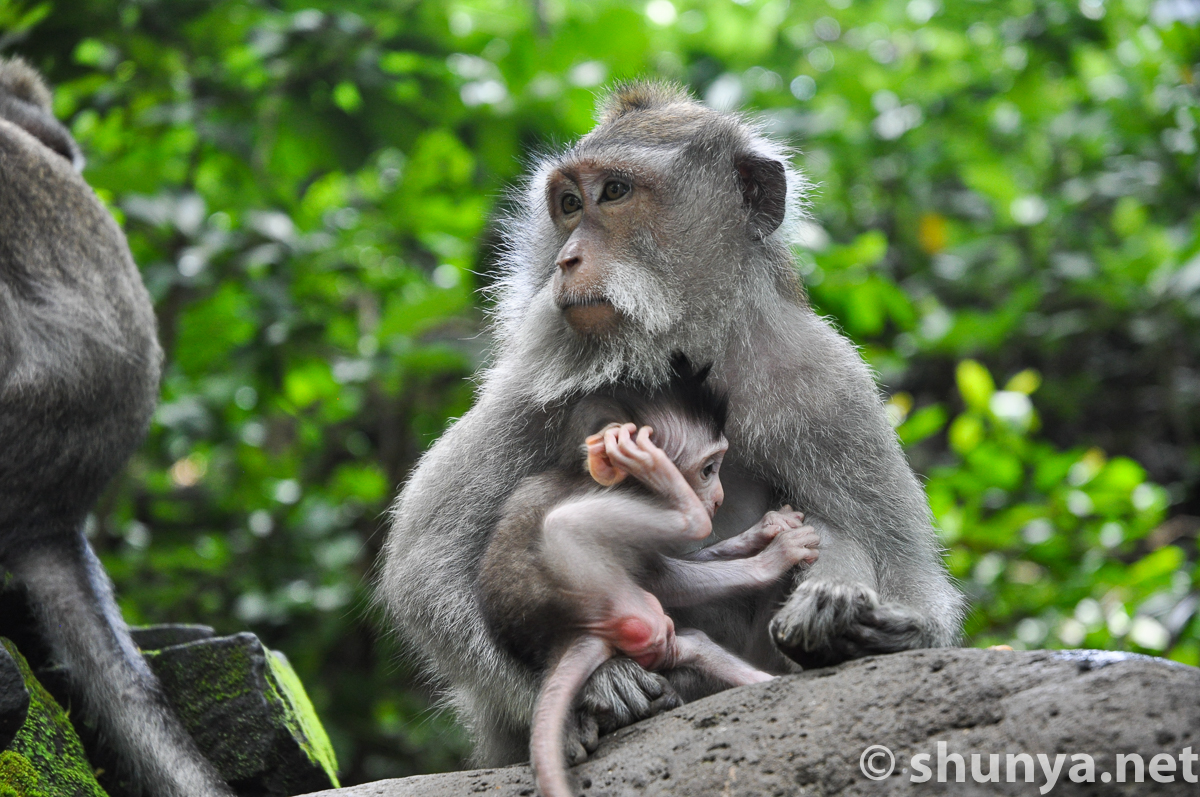
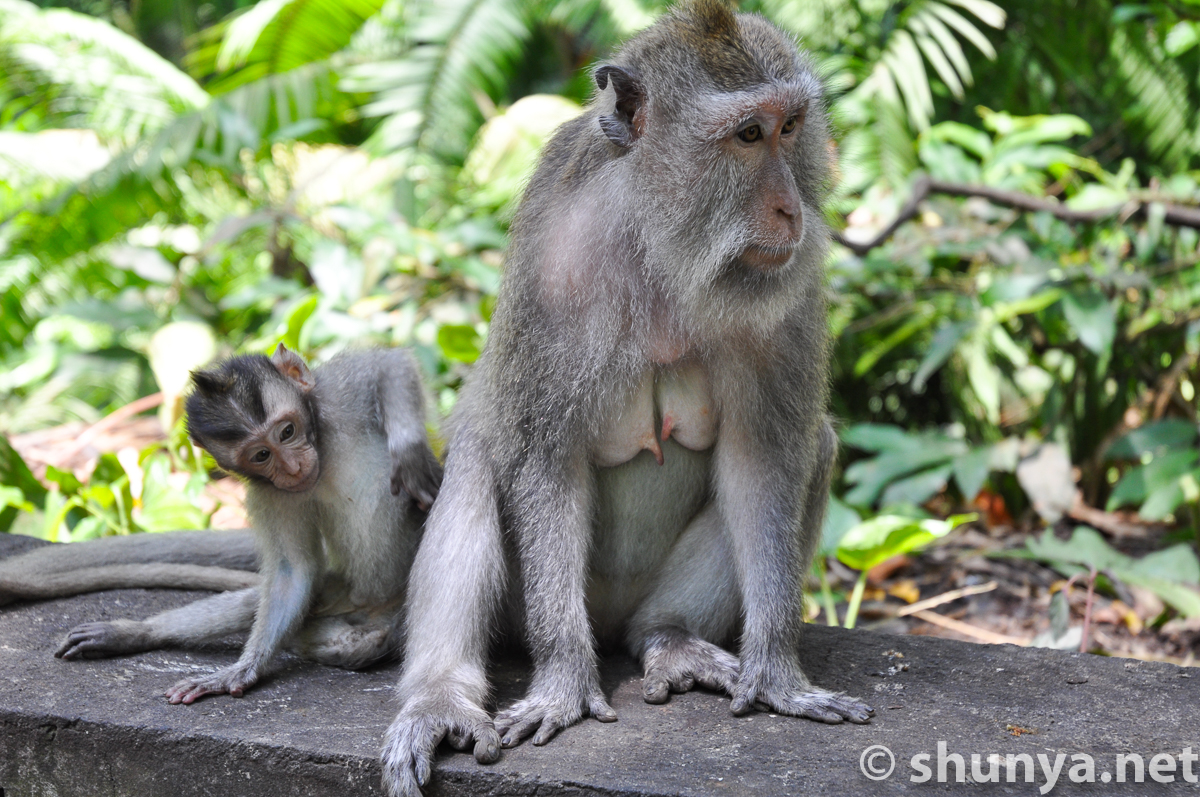
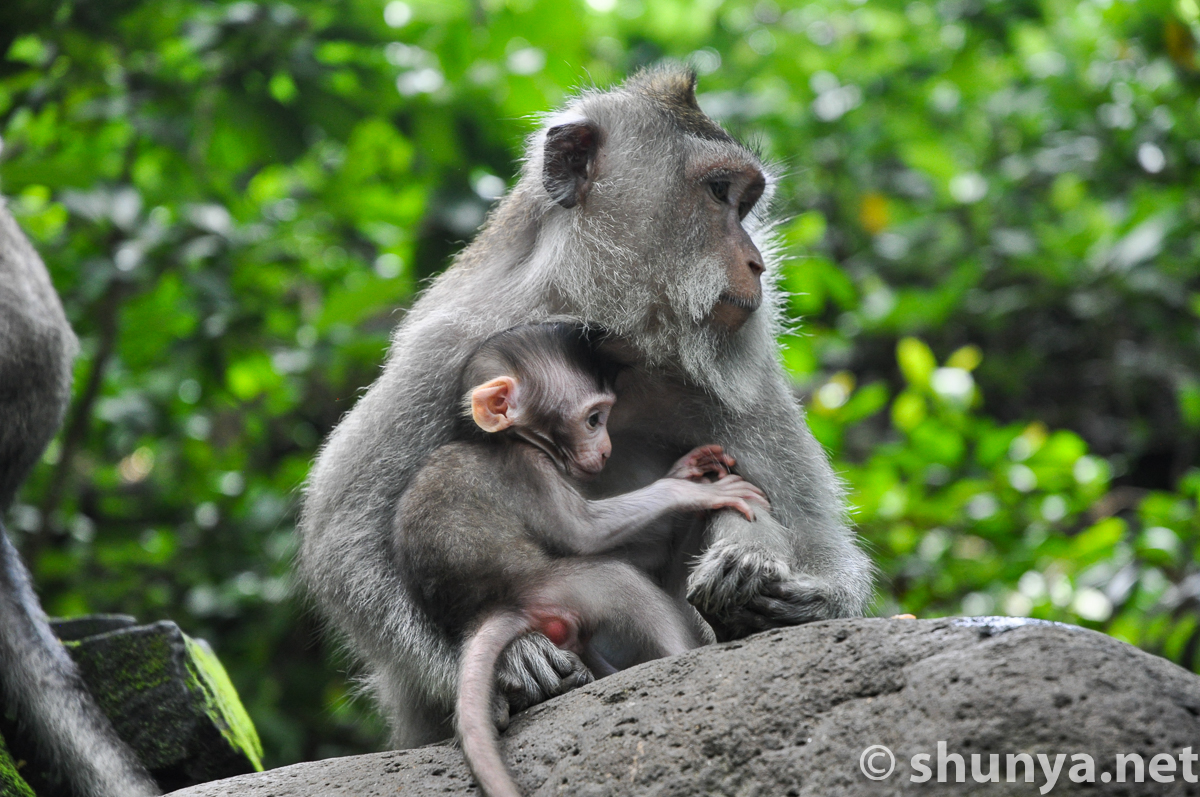
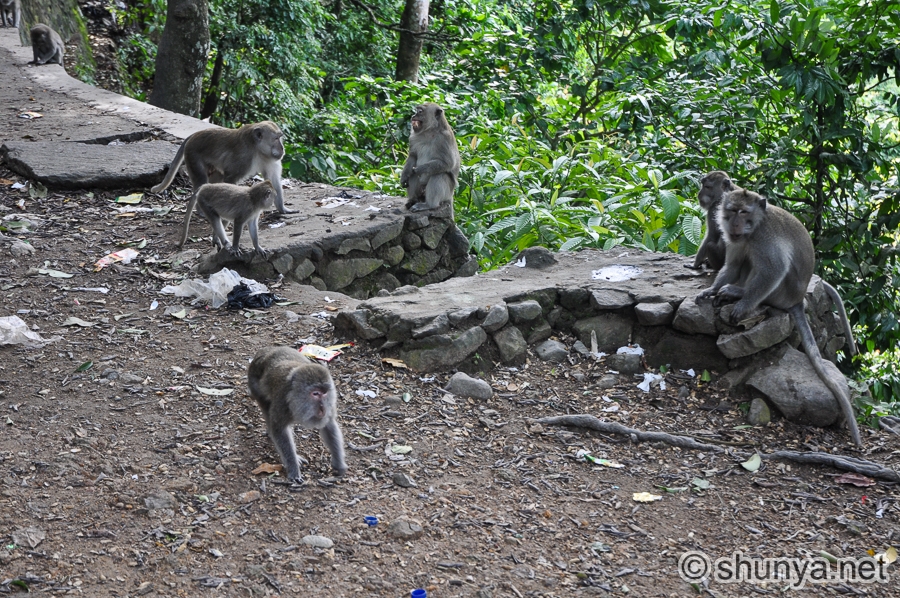
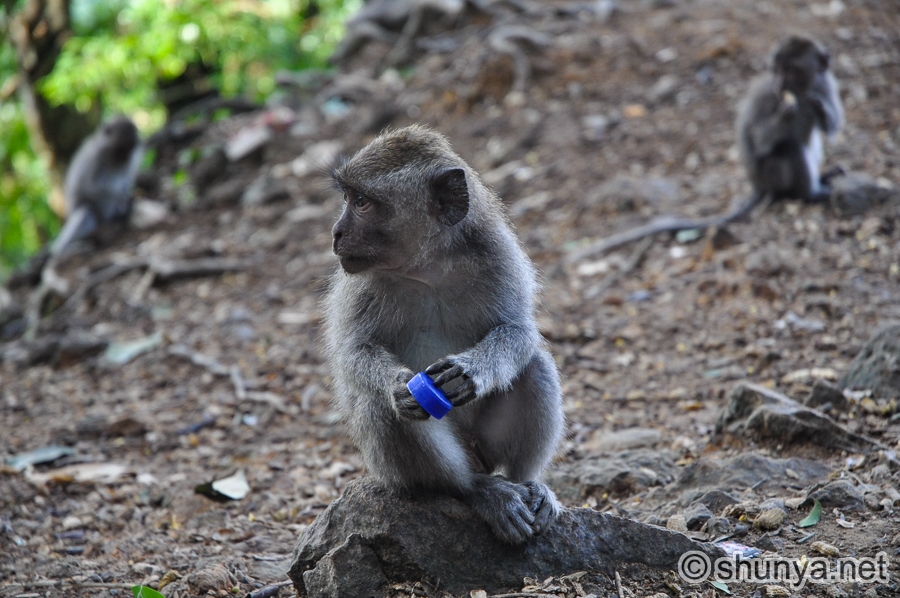
Balinese long-tailed monkeys, Bali and Lombok, Indonesia |
|||
|
|
Balinese long tail monkey
|
|
|
Family
|
Expecting food?
|
Potential food?
|
Female macaque
|
Drinking from a bottle
|
Yawning male (more)
|
Kid trying to eat
|
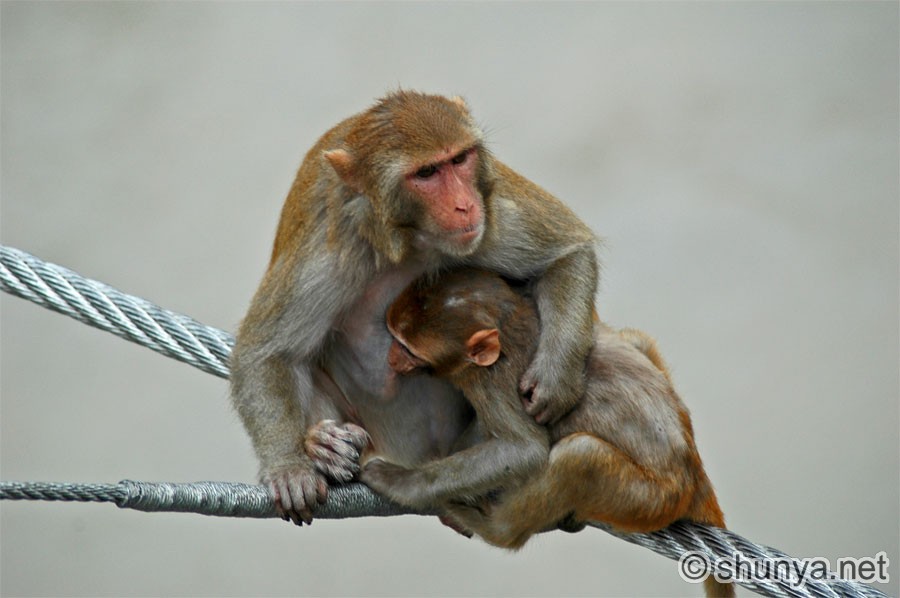
Snug embrace
|
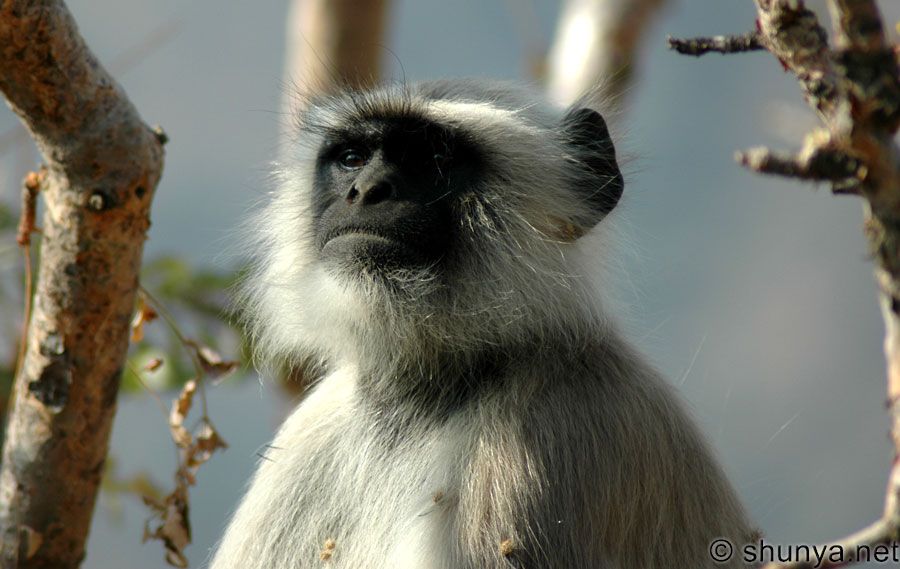
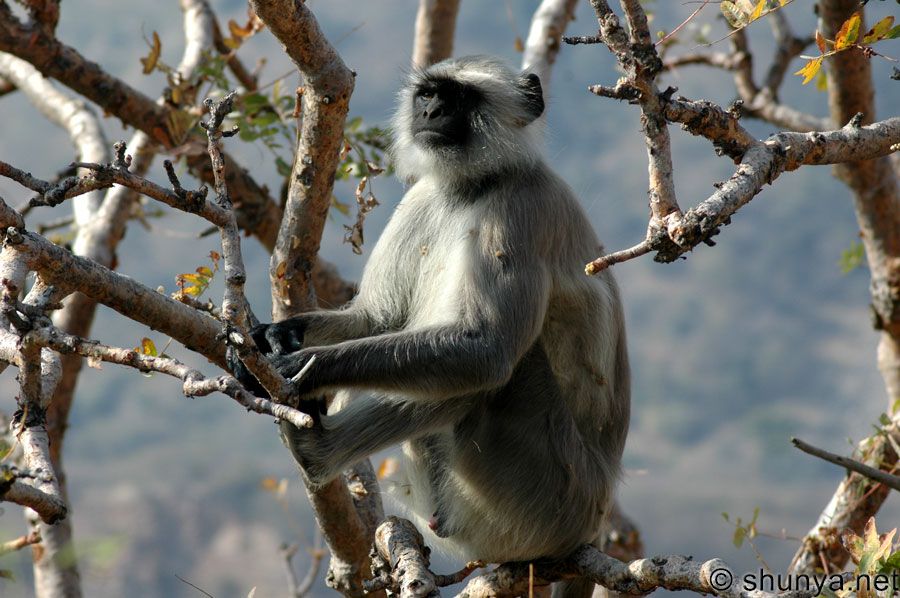
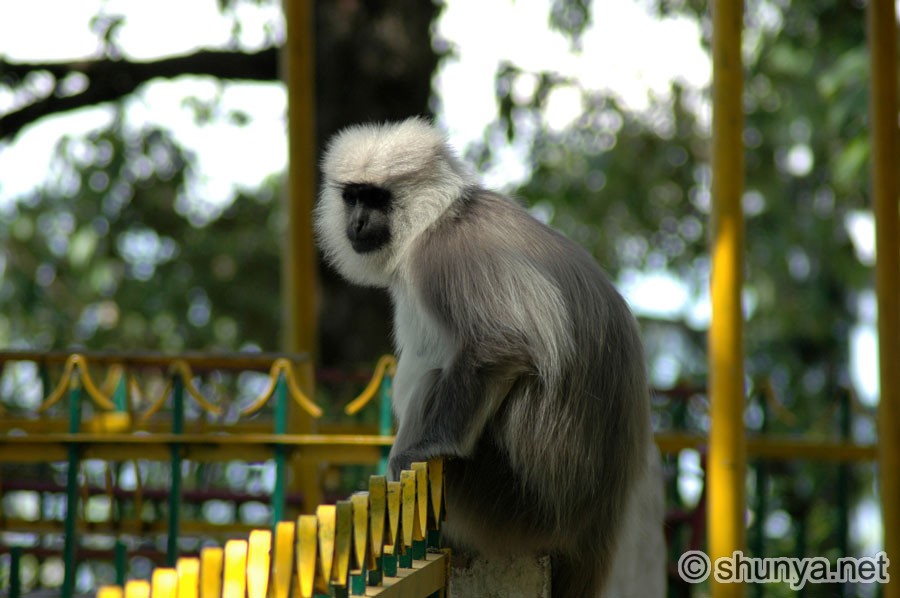
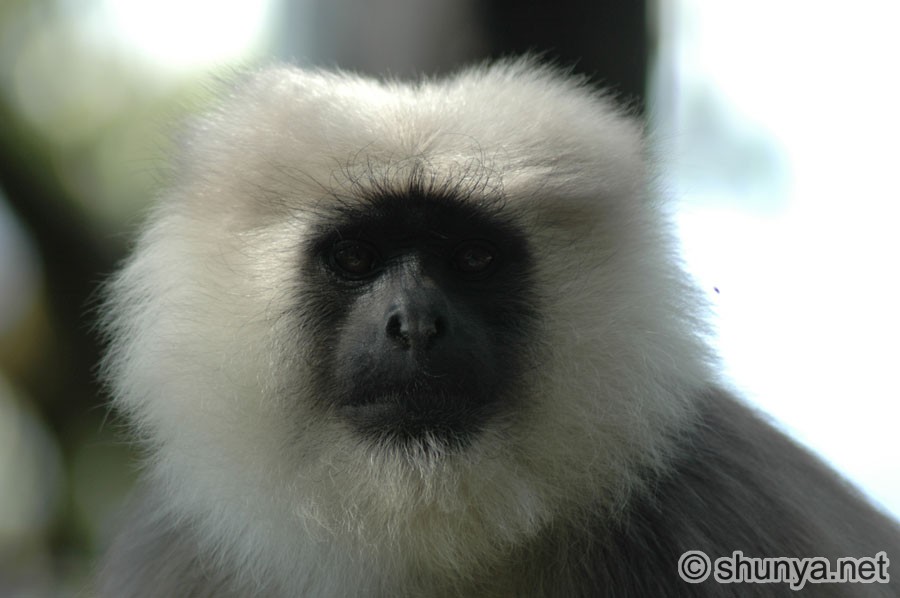
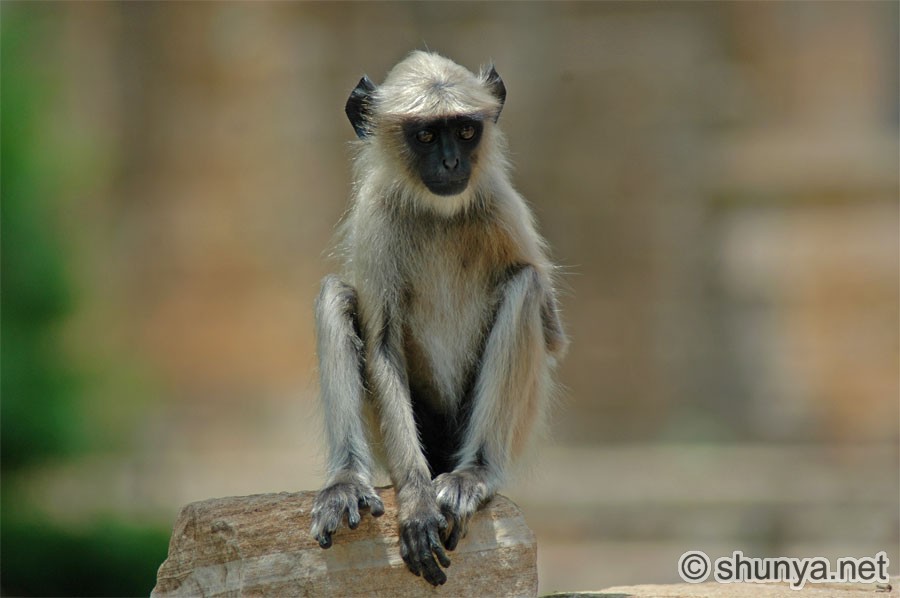
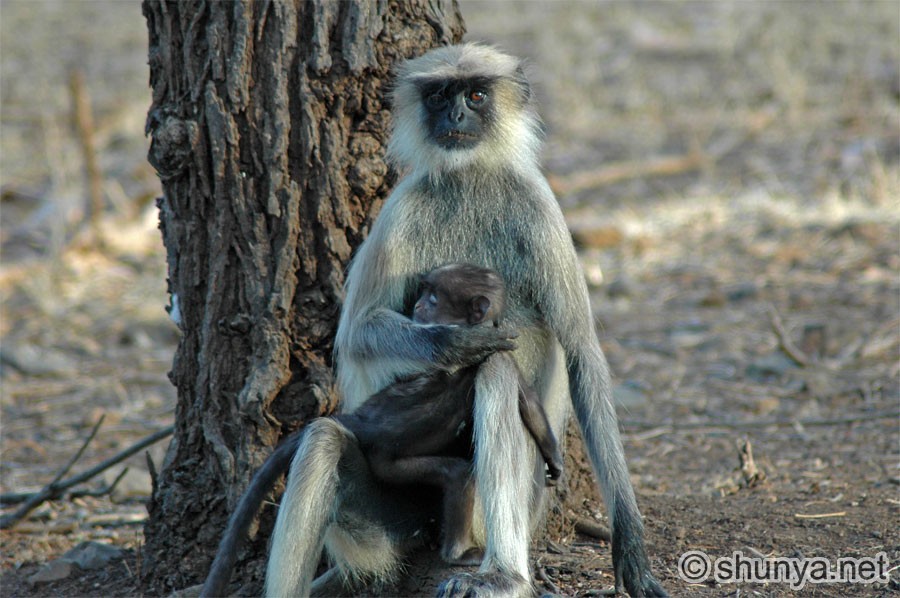
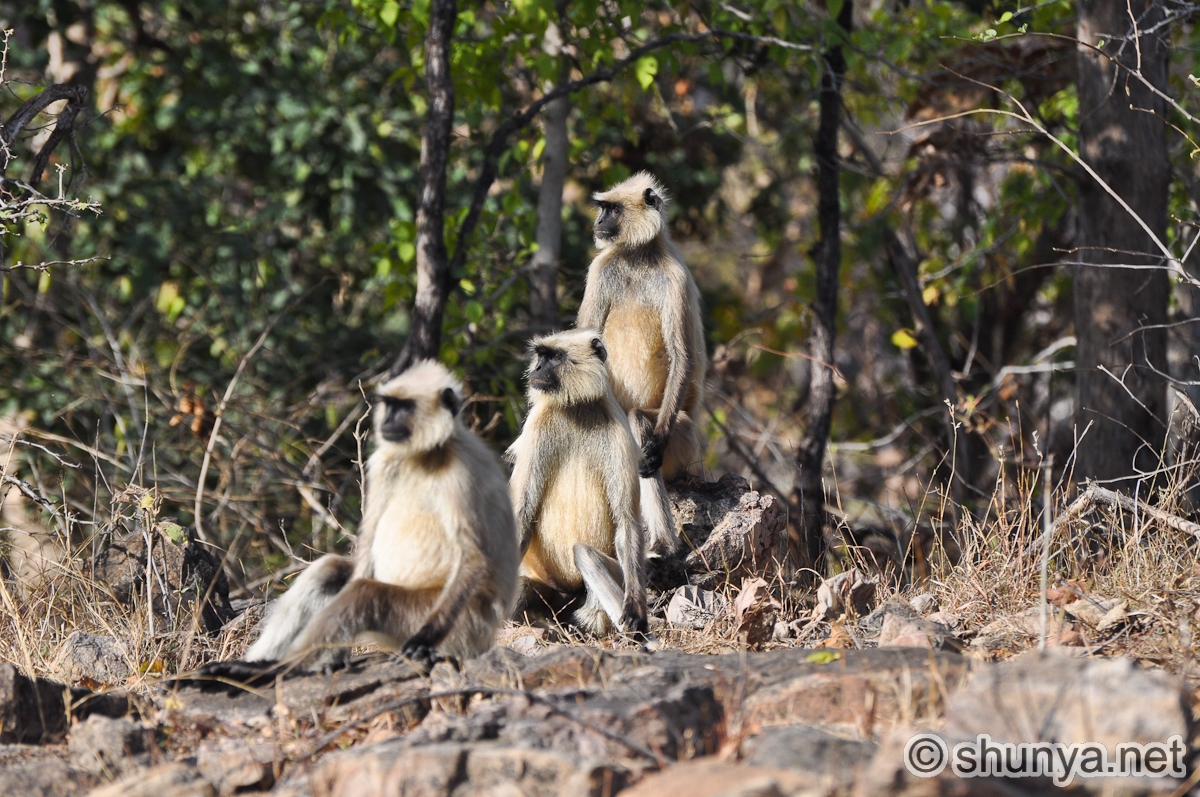
Hanuman langurs, India |
|||
|
|
|
|
 |
|
|
|
|
 |
 |
 |
 |
 |
 |
|||
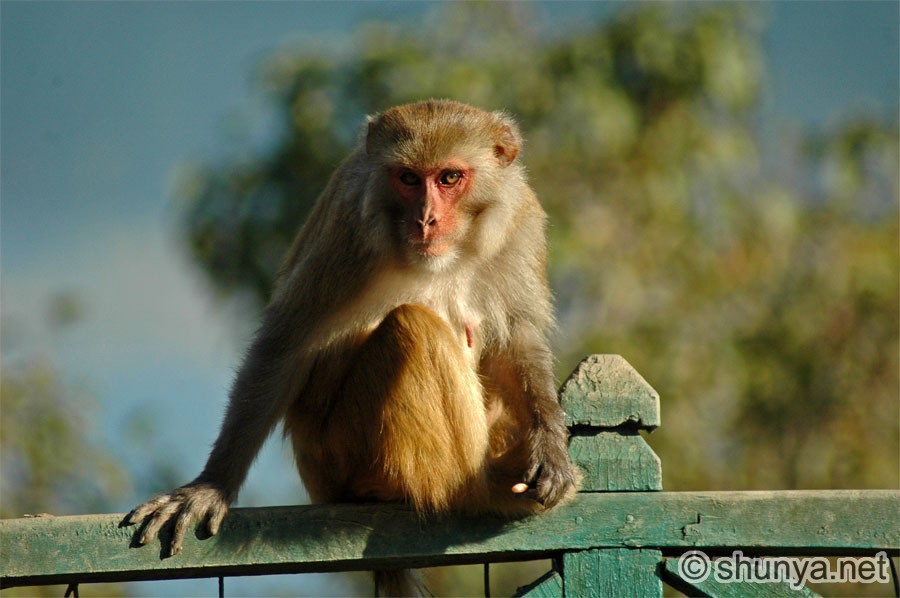
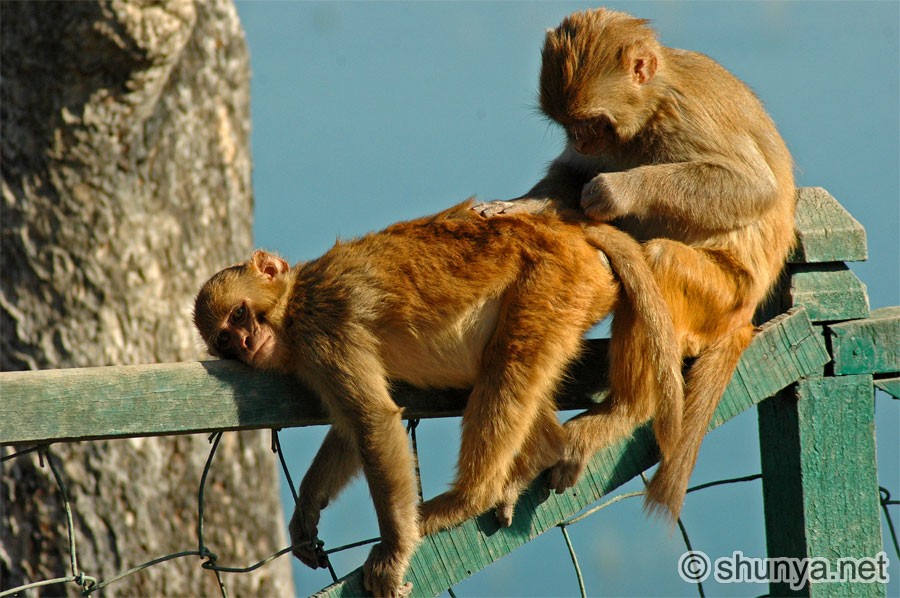
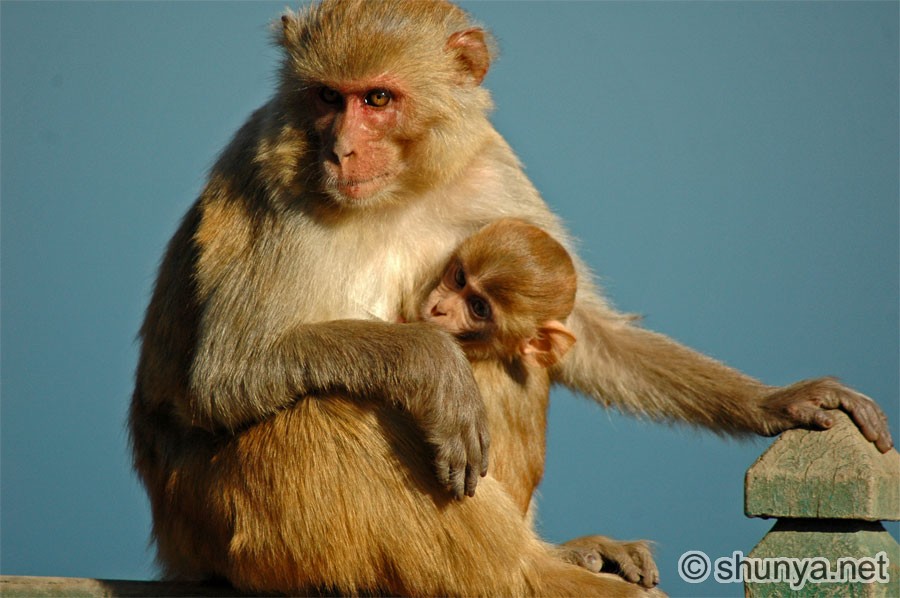
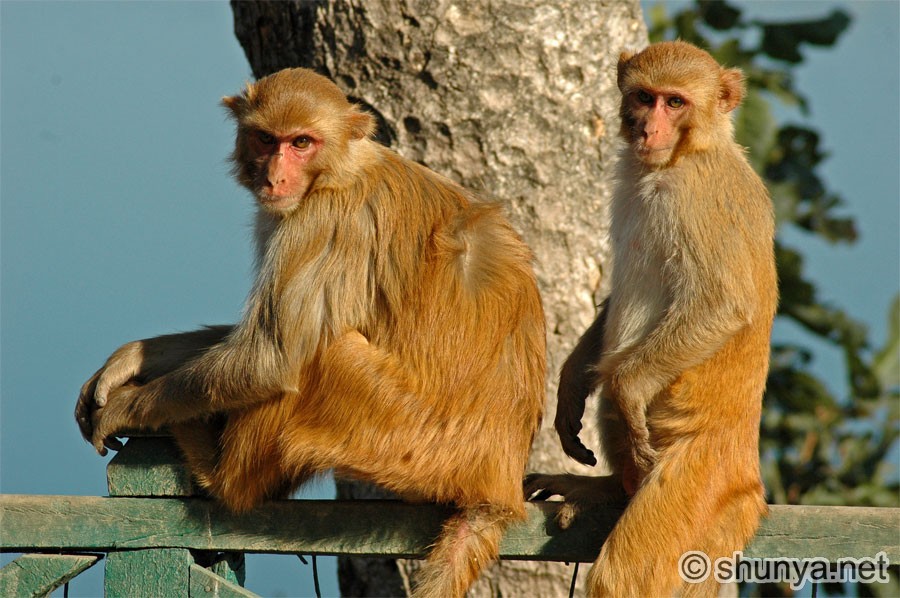
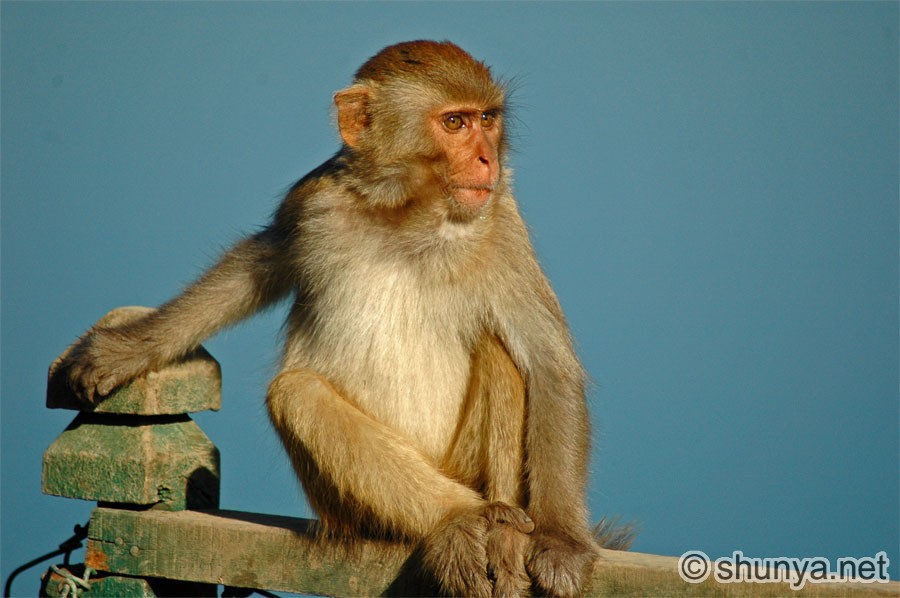
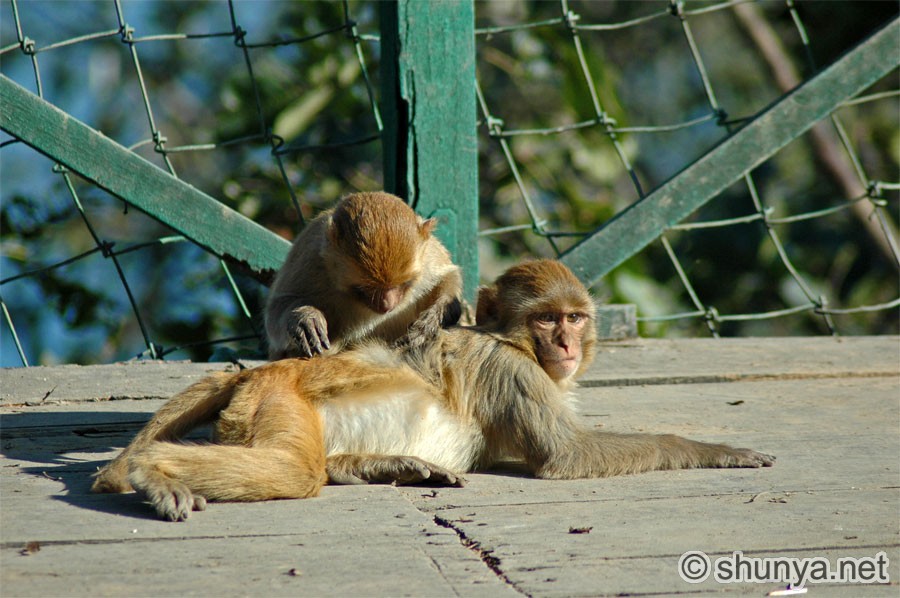
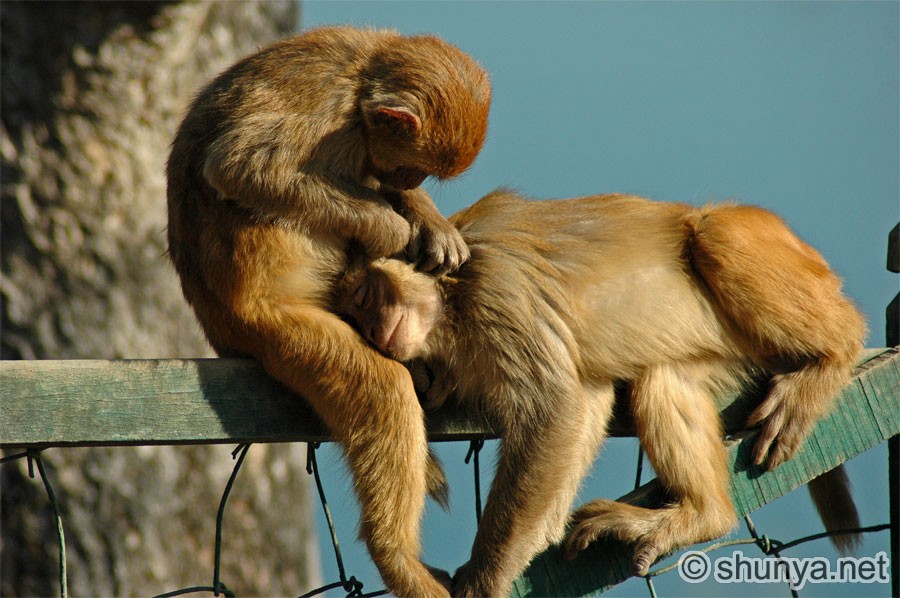
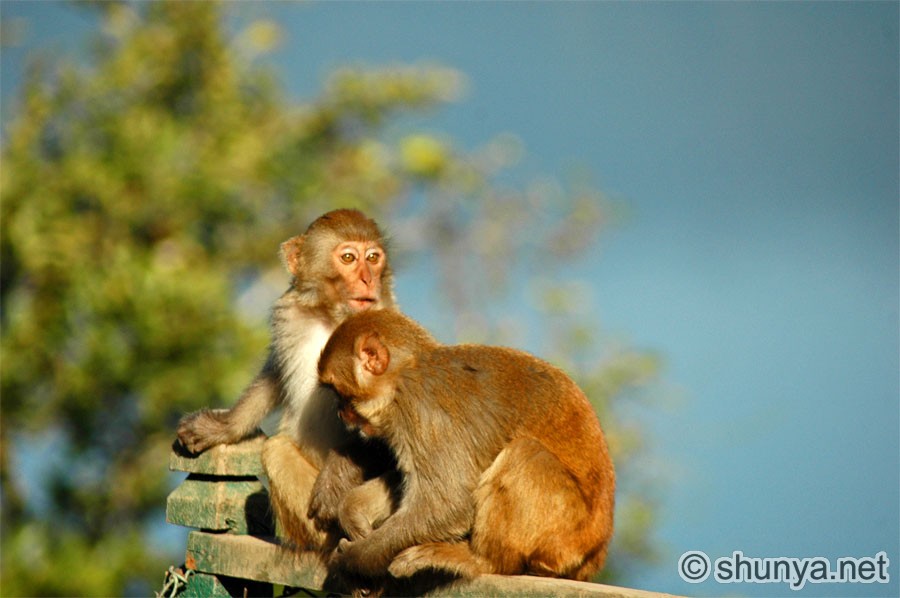
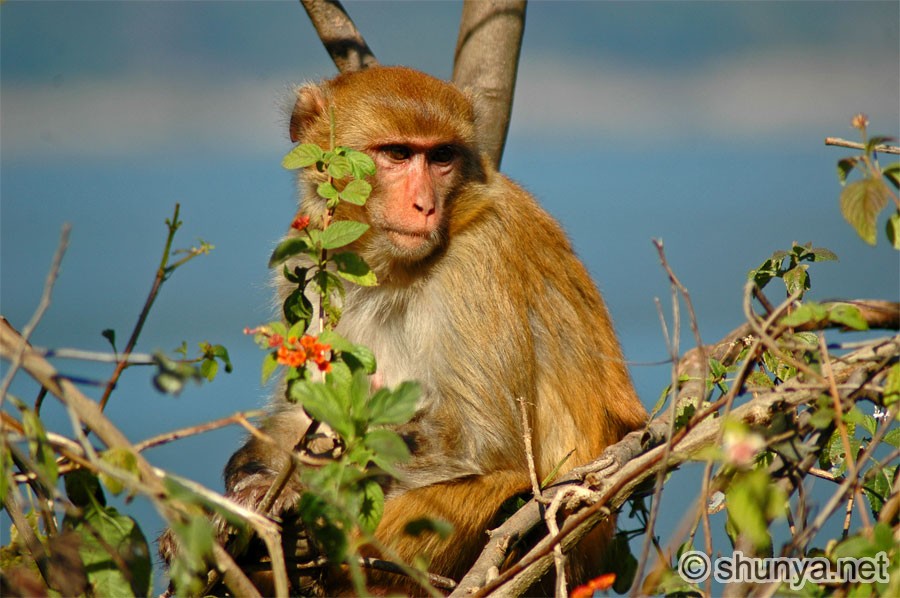
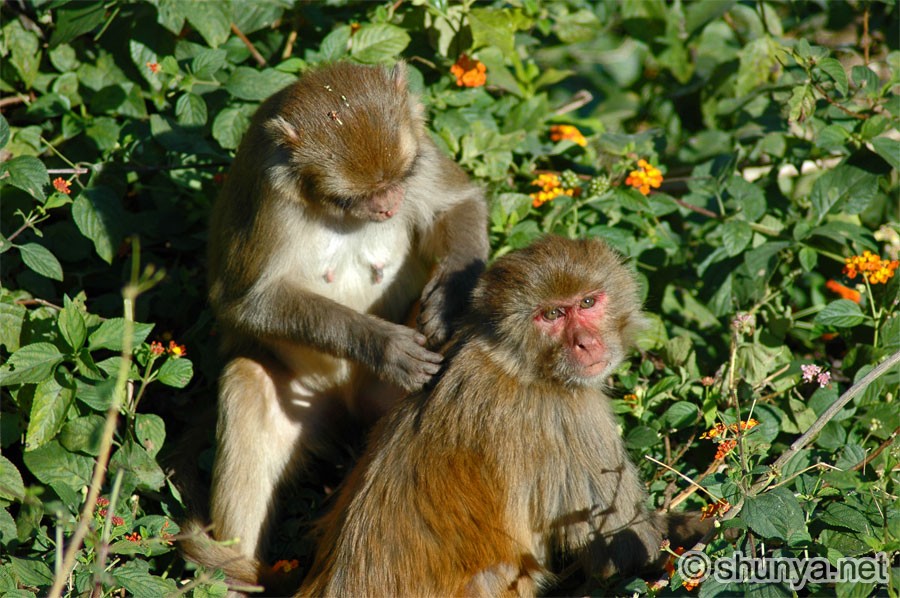
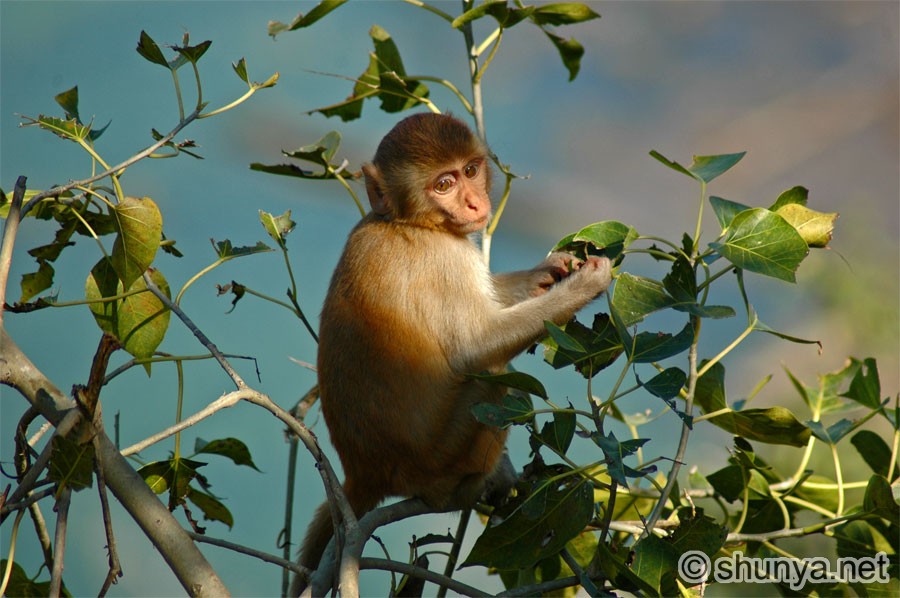
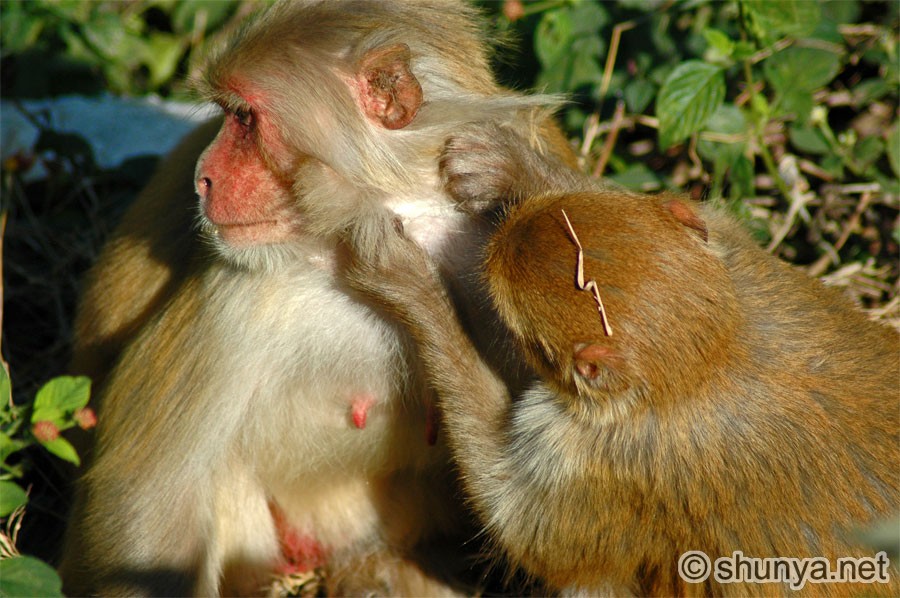
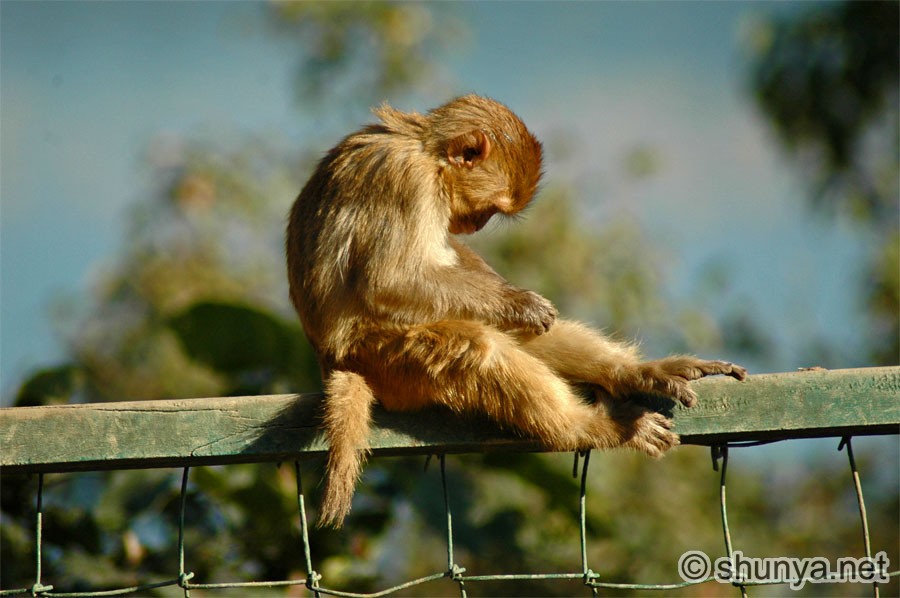
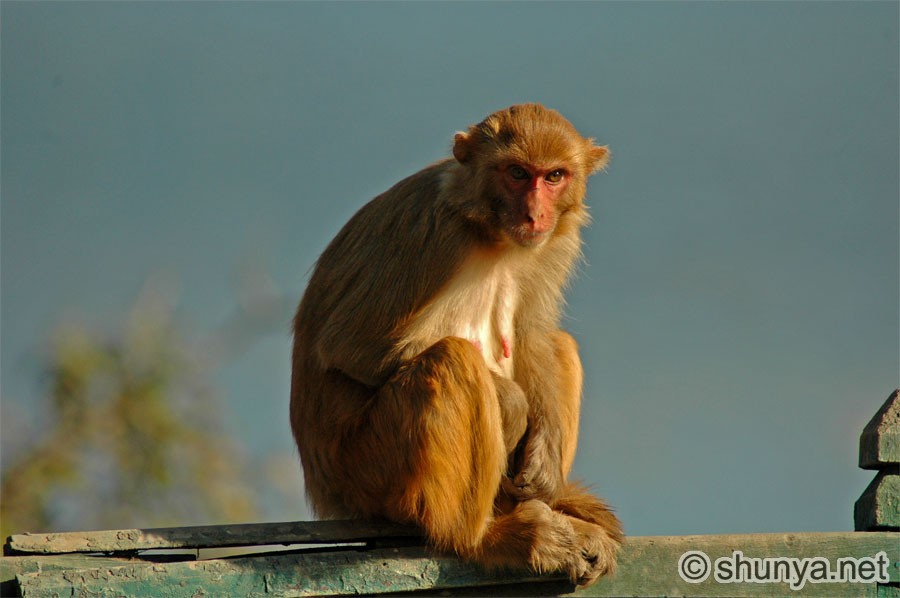
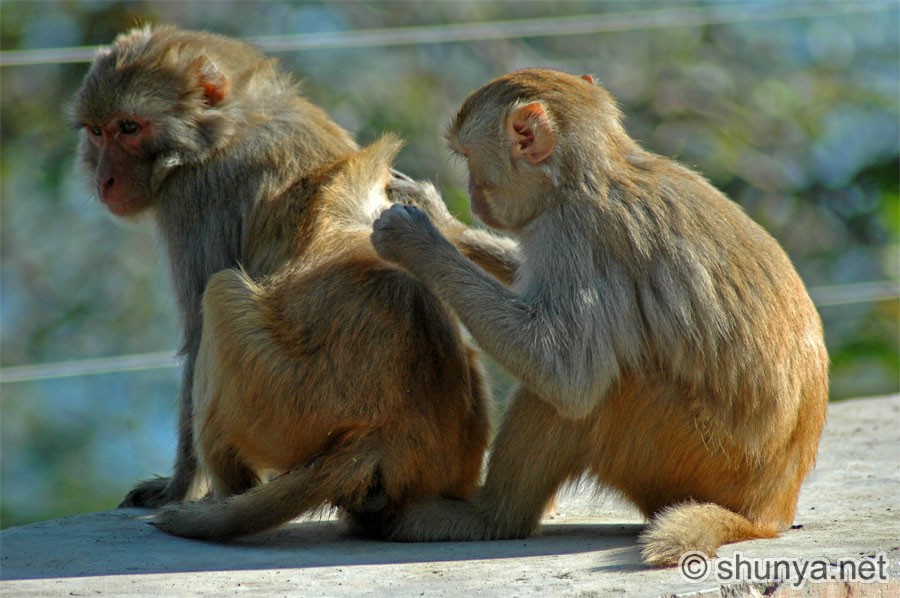
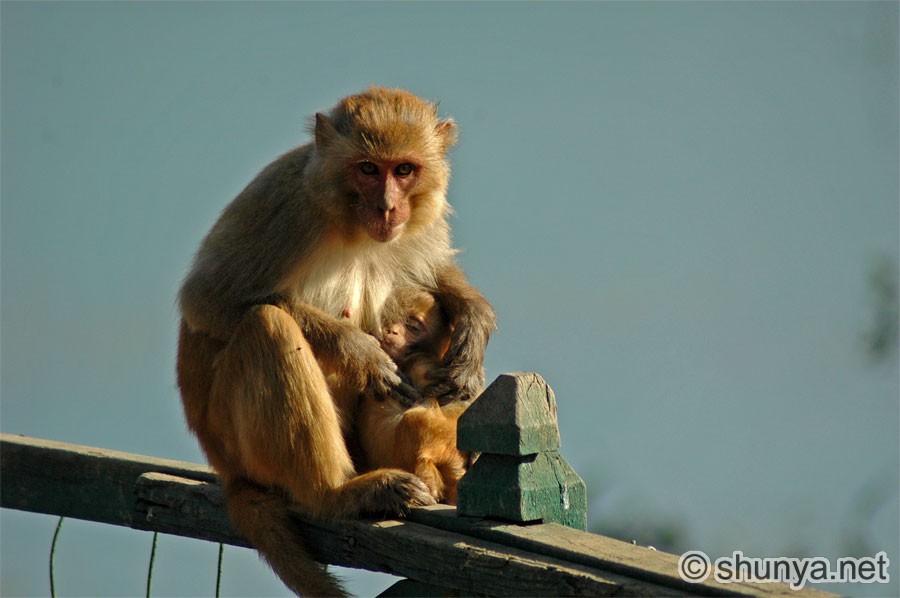
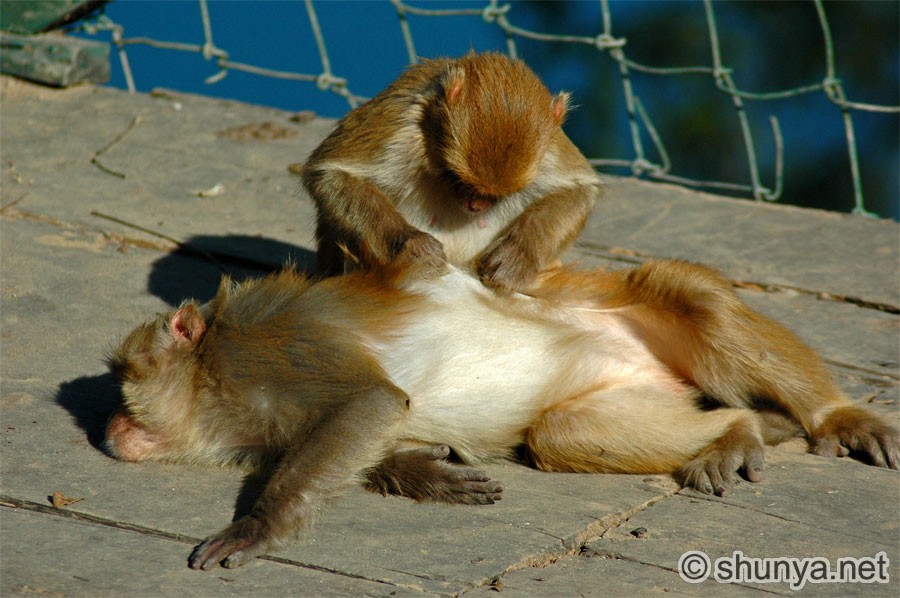
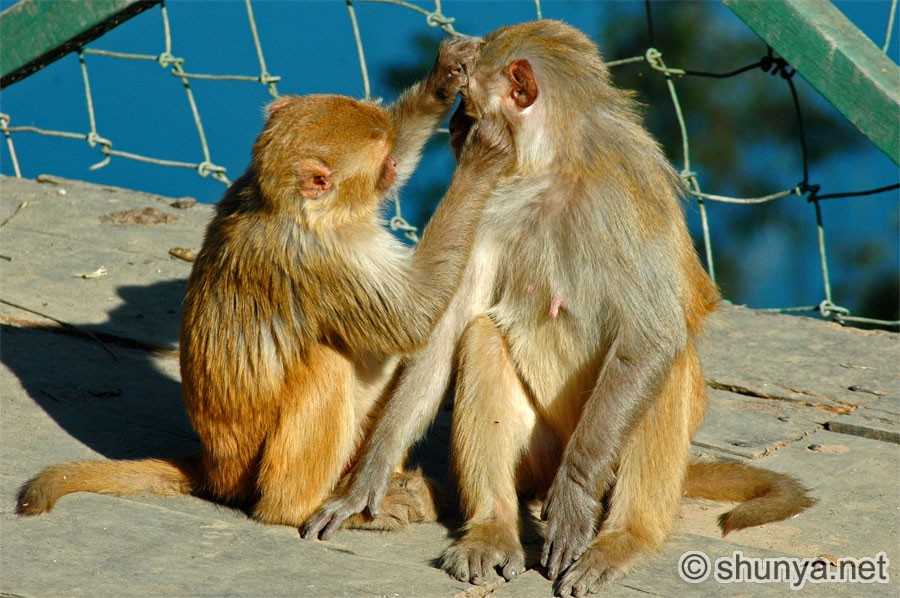
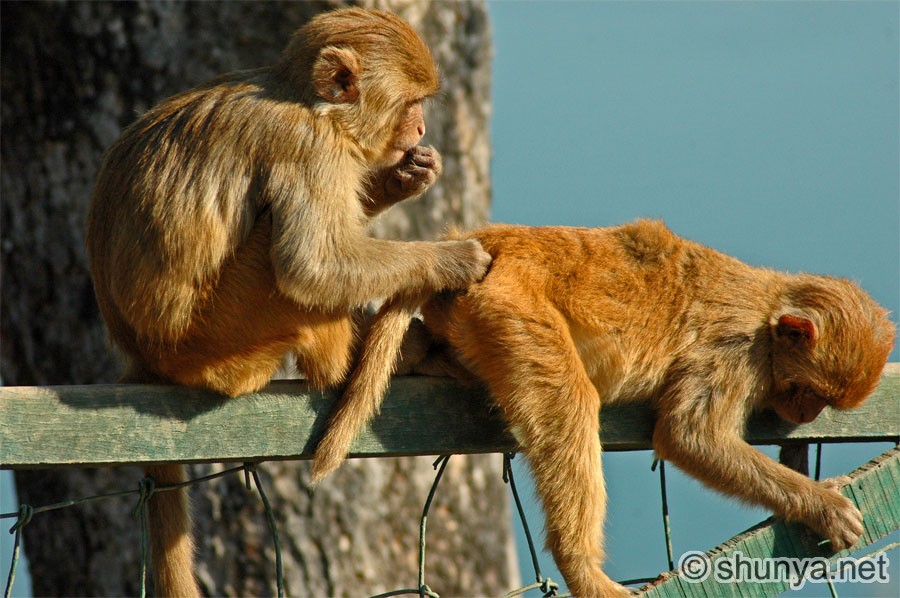
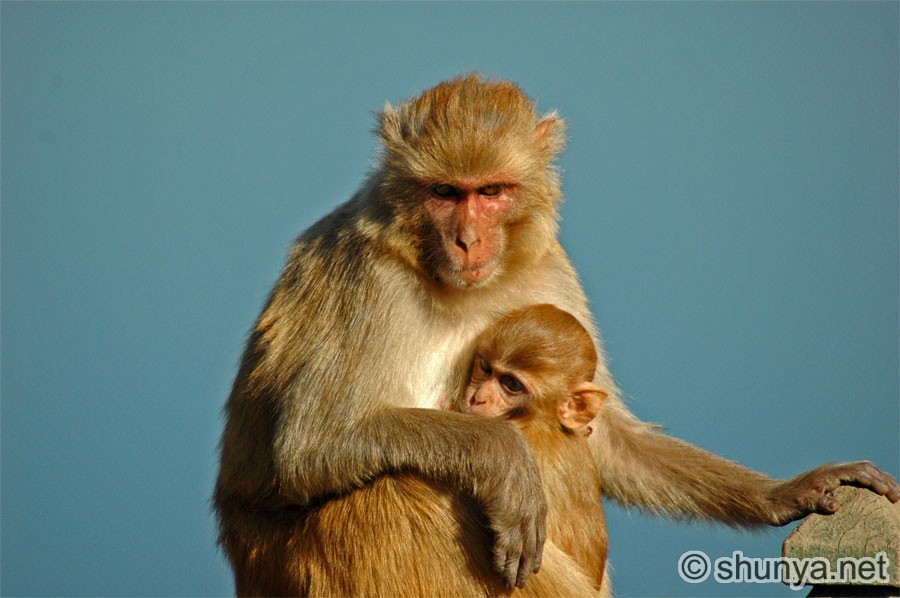
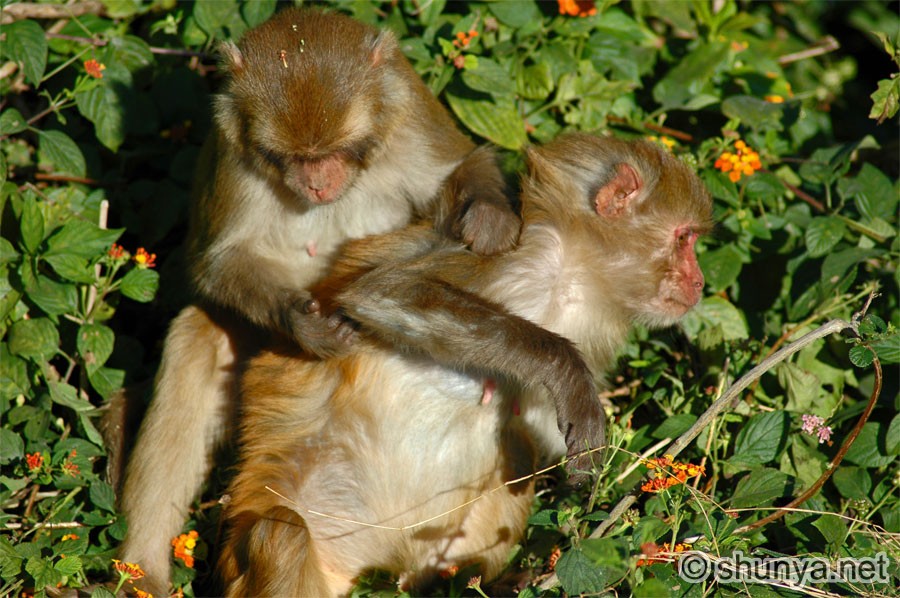
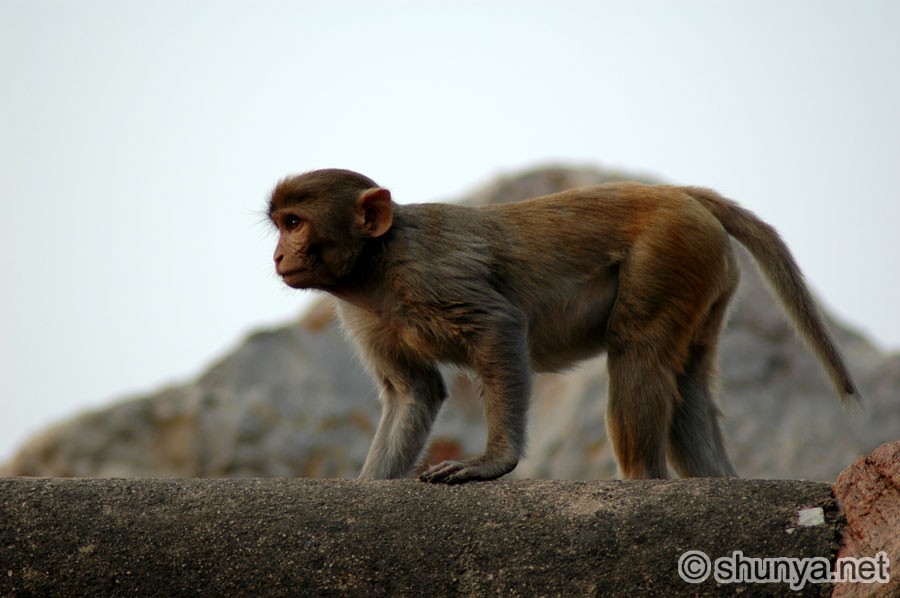
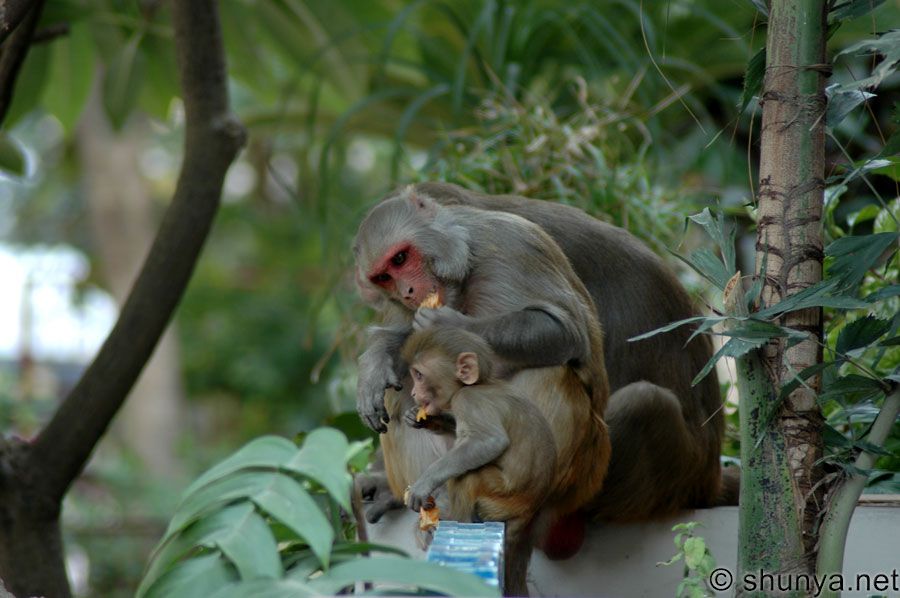
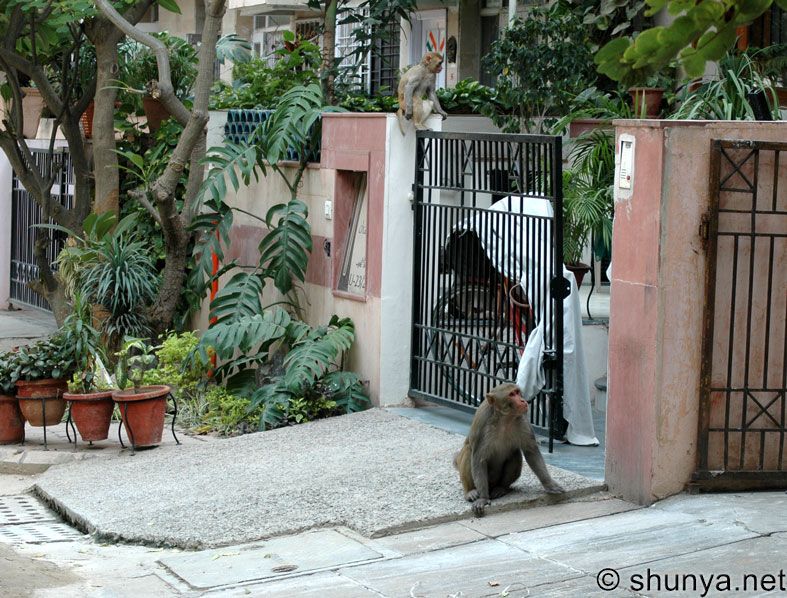
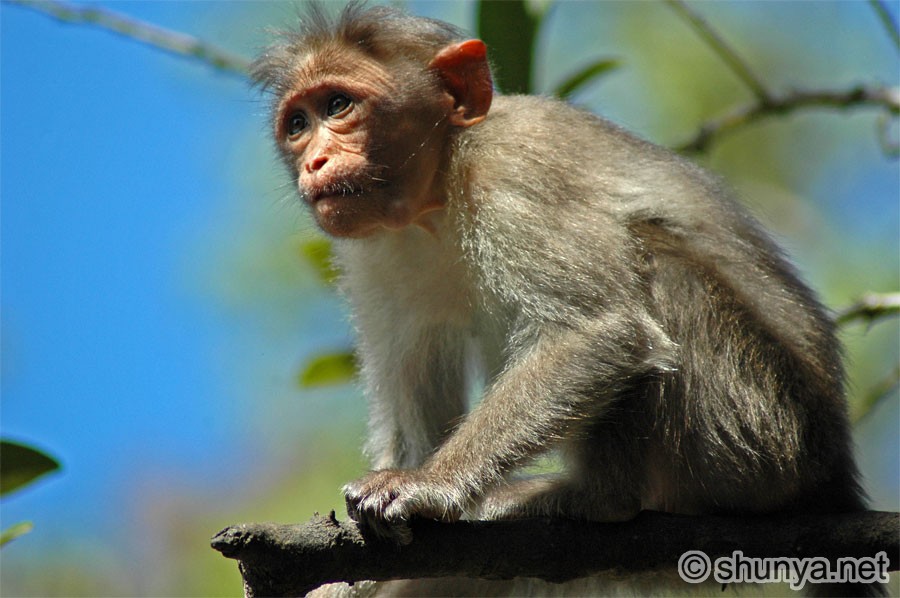
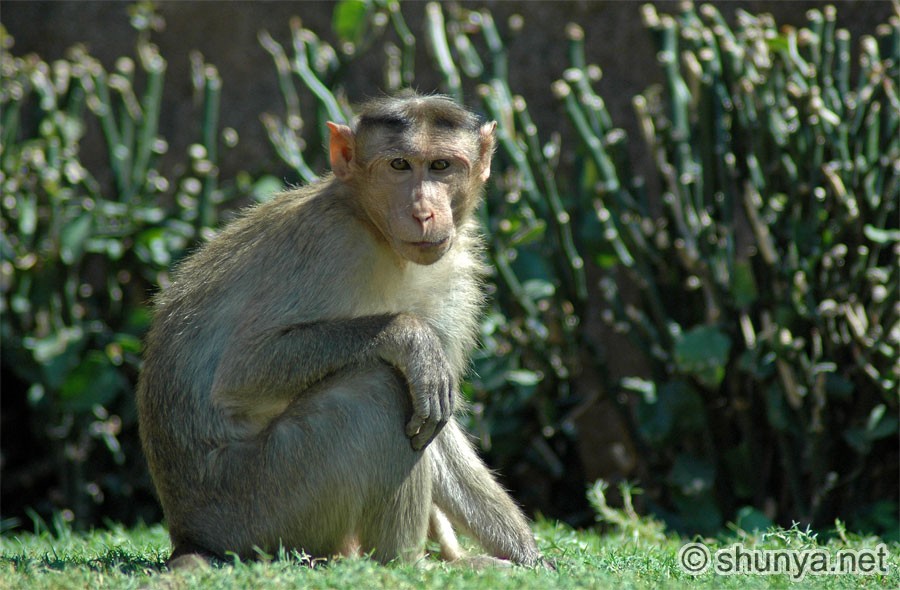
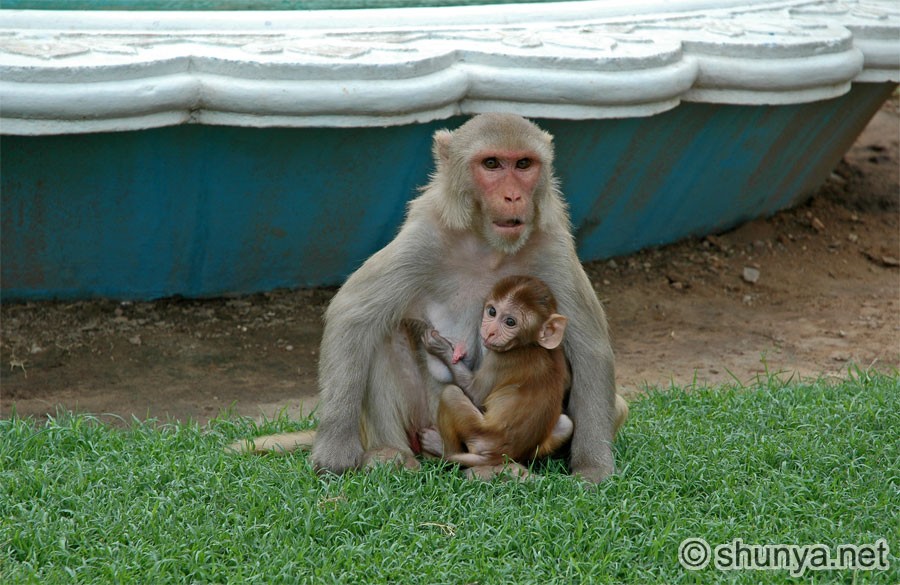
Common Indian monkey at Corbett National Park, the NCR, and the Deccan, India |
|||
 |
 |
 |
 |
 |
 |
 |
 |
 |
 |
 |
 |
 |
 |
 |
 |
 |
 |
 |
 |
 |
 |
 |
 |
 |
 |
 |
 |




Designed in collaboration with Vitalect, Inc. All rights reserved. |